Louis Vuitton sues China trademark regulator amid milk tea backlash
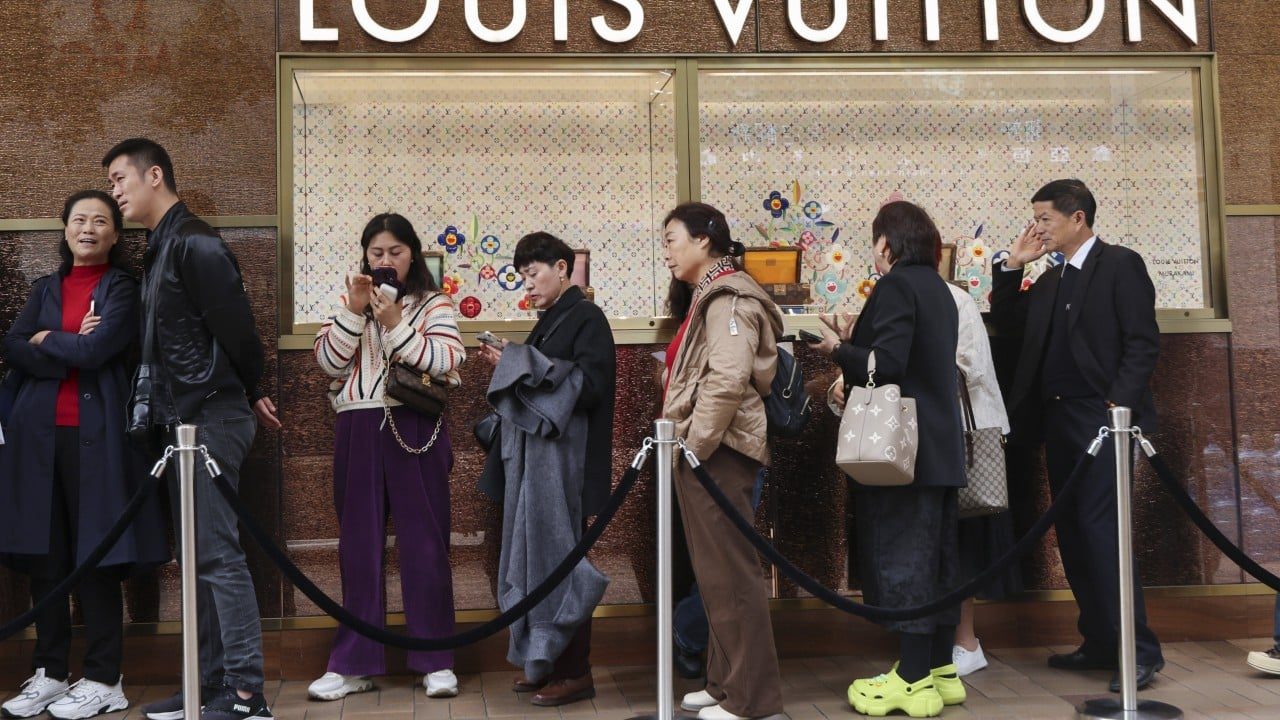
Louis Vuitton has filed a lawsuit against China's intellectual property regulator, highlighting the mounting legal and reputational costs luxury brands face when enforcing trademarks in a crucial market.
Louis Vuitton Malletier has filed an administrative lawsuit against the China National Intellectual Property Administration (CNIPA). A Chinese individual, Huang Minyao, is named as a third party in the case. The Beijing Intellectual Property Court published a notice regarding the filing in May, though the specific trademark disagreement at the center of the dispute is not detailed in the public record.
The legal action against a government regulator arrives as the luxury brand confronts a public backlash in China. This consumer pushback is tied to a separate trademark dispute involving a Chinese milk tea chain. For investors, the situation illustrates a complex operational risk in a vital growth market. Brands must aggressively defend their intellectual property to prevent dilution, yet such disputes carry the risk of alienating local consumers when they become public.
Challenging the CNIPA in court signals a shift in how the company is managing its intellectual property portfolio in the region. It suggests that standard administrative channels are not yielding the desired outcomes for trademark enforcement. This approach is becoming a familiar tactic for the French fashion house.
This latest filing is part of a massive, ongoing legal offensive. Data from China's official court announcement platform shows that 58 judgments and summonses involving Louis Vuitton have been published so far this year. Corporate database Qichacha notes that the vast majority of these filings are trademark-related. Additionally, 11 more trademark infringement cases brought by the company are currently scheduled for hearings between mid-July and the end of August.
The sheer volume of litigation indicates that Louis Vuitton views aggressive legal action as a necessary cost of doing business in China. It also confirms that the current lawsuit fits an established pattern. Records from Qichacha show the Beijing court heard a comparable administrative case in March. That lawsuit similarly named the CNIPA as a defendant alongside a third-party individual.