Supergirl's $115M Box Office Exposes Flaws in DCU Strategy
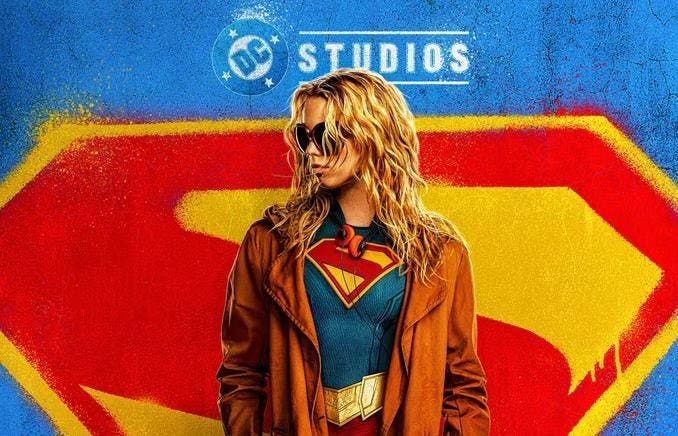
Warner Bros.' DC Universe faces pressure to overhaul its IP deployment strategy after Supergirl limped to a franchise-low $115 million global gross, threatening the commercial viability of its upcoming slate.
Supergirl has earned just $115 million globally, dropping to seventh place at the box office in its latest weekend. The film now stands as the lowest-grossing DC property since 2004’s Catwoman, which topped out at $108 million. It will fall short of the $130 million threshold reached by Blue Beetle, a performance widely regarded as a major theatrical miss.
The financial underperformance highlights a fundamental miscalculation in how DCU architect James Gunn is monetizing the studio's intellectual property. Rather than anchoring the new cinematic universe around its most valuable assets immediately, the strategy has leaned heavily on lesser-known characters. This approach lacks the overarching brand momentum that buoyed obscure Marvel properties like Guardians of the Galaxy during that franchise's peak.
The weak return on Supergirl follows a similar trajectory for Gunn’s previous DC effort, The Suicide Squad, which was also labeled a financial failure despite positive reviews. This establishes a pattern where critical quality is not translating into theatrical revenue, a vital metric for studio profitability. Even Superman, the official launch of the new DCU, generated $618 million globally, a figure that fell short of blockbuster expectations for a foundational tentpole.
The current development pipeline suggests the studio is not pivoting quickly enough to mitigate these risks. Upcoming projects like Clayface, Creature Commandos, and a Jimmy Olsen and Gorilla Grodd series continue to prioritize niche characters over core IP. Debuting a major asset like Green Lantern via a television series rather than a theatrical release further fragments the franchise's commercial potential.
When the studio does target marquee characters, it faces structural headwinds that could limit returns. Batman: The Brave and the Bold, directed by Andy Muschietti, must compete for audience attention against the unconnected but highly regarded The Batman Part II franchise. Creating a parallel Batman narrative risks splitting the fanbase and diluting the brand's earning power.
Meanwhile, the new Wonder Woman film carries the risk of disappointing at the box office or in critical reception, a vulnerability magnified by the fact that it shares a writer with Supergirl, Ana Nogueira. For investors, the Supergirl fallout signals that Warner Bros. Discovery’s DC strategy may be leaving significant revenue on the table. Sustaining a multi-billion-dollar franchise requires a reliable floor of core heroes, and without a rapid shift back to top-tier characters, the DCU risks normalizing record-low box office returns.