Oil Prices Defy Fundamentals as Traders React to Flawed Forecasts
Crude oil's recent slide to near pre-war levels despite geopolitical risks highlights how trader perceptions and flawed demand forecasts, rather than physical supply, are dictating energy prices.
Crude oil prices recently declined to near pre-war levels, contradicting analysts who argue that current geopolitical risks and market fundamentals should push prices above $100 a barrel. This divergence underscores a structural reality of energy trading: asset prices are dictated by traders' perceptions of the economics, rather than the physical fundamentals themselves.
Gasoline and crude prices are ultimately set at the spot market level in major trading hubs like the U.S. Gulf Coast, Rotterdam, and Singapore. Refiners and wholesalers act as price-takers, pegging their rates to these spot benchmarks to avoid selling out prematurely or losing customers to competitors. Consequently, the retail price at the pump traces directly back to the trading floor, where participants react to both tangible supply shifts and intangible expectations.
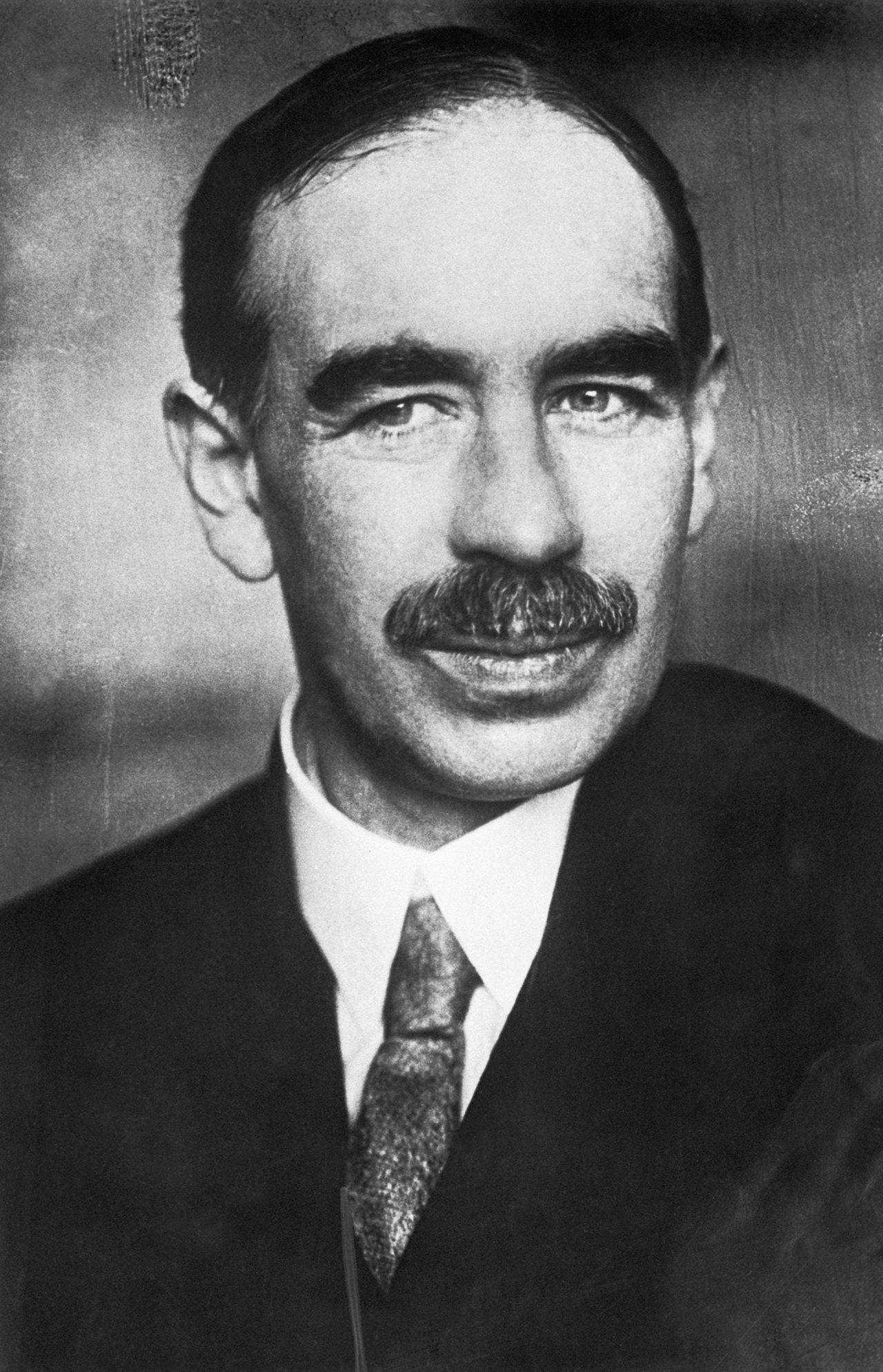
On these exchanges, herd behavior frequently overrides physical realities. A geopolitical event like a terrorist attack in Israel might have no direct impact on physical oil supply, but traders buy because they anticipate that other traders will react to the headlines. As John Maynard Keynes ultimately learned after losing a fortune twice before adapting his strategy, successfully navigating markets requires anticipating the crowd's behavior.
Compounding this psychological volatility is profound uncertainty in the underlying market data. The International Energy Agency’s July 2026 report flagged a "Miscellaneous to balance" gap of approximately 1.2 million barrels a day for the second quarter of 2025. While this unaccounted volume represents less than 1% of global oil demand, it highlights the limitations of current inventory tracking.
Short-term demand forecasts offer little additional clarity. Estimates for quarter-to-quarter changes in global oil demand from the EIA, IEA, and OPEC currently vary by as much as 2 million barrels a day. Traders often do not view these reports as definitive, yet they still trigger market swings simply because participants know their peers will react to the new data.
For investors and corporate executives, relying strictly on physical supply-and-demand models is inherently risky. As Harvard economist Greg Mankiw noted, “We’ve always been bad at forecasting. Does that hurt our credibility? Probably.” Market participants must therefore price in not just actual geopolitical risks, but the unpredictable ways traders will interpret imperfect data.