US Consumer Prices Fall 0.5% in June as Gas Drops 9.7%

A sharp drop in energy costs pushed US inflation well below expectations in June, but futures markets still price in near-certain rate hikes as geopolitical risks threaten to reverse the gains.
US consumer prices fell 0.5% in June, marking the largest monthly decline since April 2020 and beating analyst expectations for a much milder cooldown. Annual inflation dropped to 3.5%, well below the 3.9% consensus forecast compiled by FactSet.
The deflationary pressure was almost entirely driven by energy. Gas prices plunged 9.7% month-over-month, the steepest decline of any category tracked by the Bureau of Labor Statistics. Fuel oil dropped 9.2% and the broader energy index fell 5.7%. The sudden price relief followed a brief peace agreement between the U.S. and Iran, which temporarily reversed the oil price spikes triggered by earlier U.S. military strikes.
Beneath the volatile energy figures, underlying price pressures also softened significantly. Core CPI, which strips out food and energy costs, came in at 2.6% for the month, missing analyst estimates of 2.9%. This deceleration suggests the broader economy is responding to the Federal Reserve's current restrictive stance.
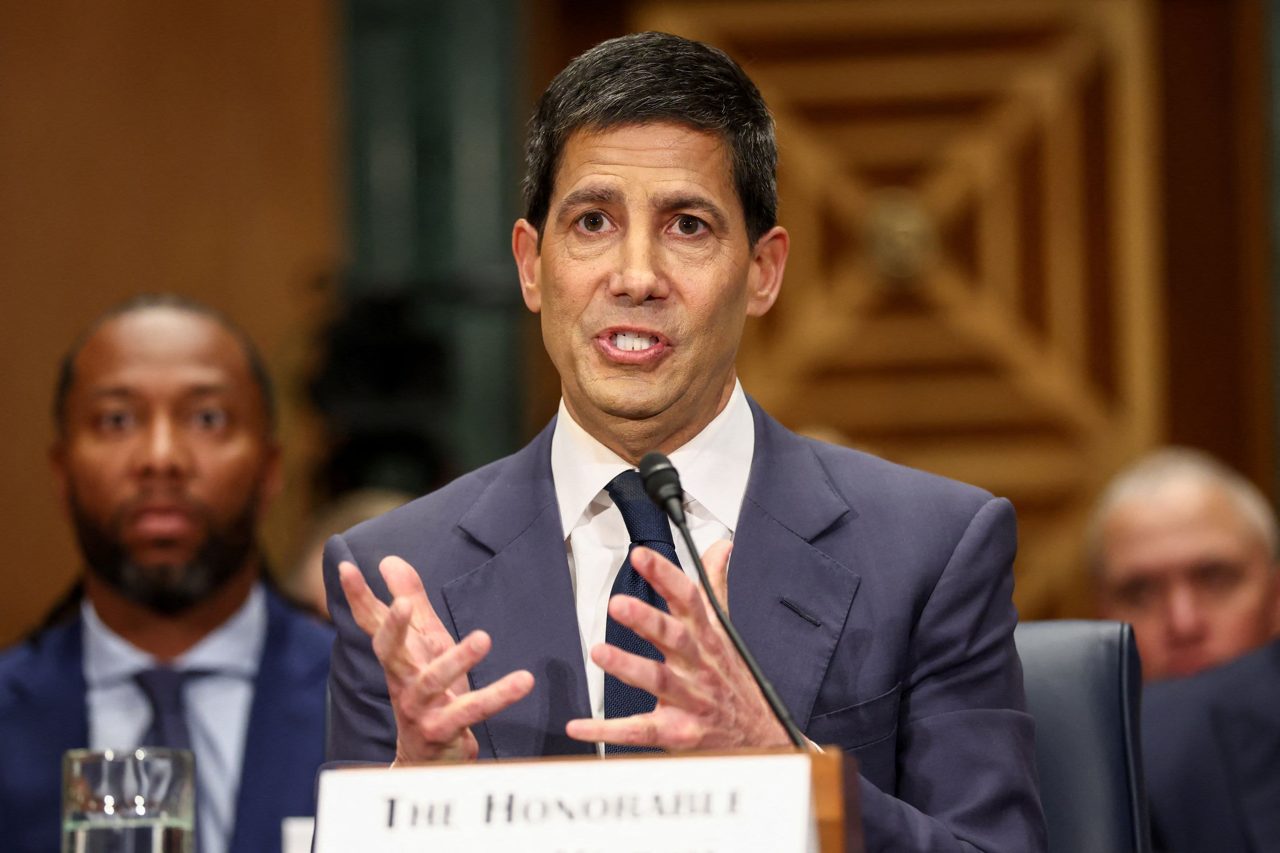
Despite the encouraging data, Fed Chair Kevin Warsh struck a hawkish tone in prepared remarks to Congress. He pledged the central bank would "get monetary policy right" and stressed the Fed has "no tolerance for persistently elevated inflation." Warsh declared that the inflation surge of the last five years will be "a thing of the past," though he stopped short of defining what specific policy actions that requires.
Markets price in tightening
Traders are largely looking past the June price drop and betting on further monetary tightening. Futures markets are currently pricing in a 61.3% probability of an interest rate hike at the next Federal Open Market Committee meeting, according to CME Group’s FedWatch tool. Those odds climb steadily to 82.4% by the final meeting of the year in December and reach 89.2% by April 2027.
The divergence between cooling headline inflation and rising rate expectations highlights the market's focus on geopolitical instability. The current federal funds rate sits at 3.5% to 3.75%, a level that appears destined to rise given deep splits among FOMC officials. While "many" participants see rates ending the year "within or slightly below" the current range, "many other" officials expect higher borrowing costs. President Donald Trump's recent assertion that the Iran deal is "over" and that the U.S. would "probably" hit Iran with strikes again suggests the energy-driven inflation relief could be fleeting, forcing the Fed to maintain its guard.