Brent rises 5% to $87 as Hormuz blockade fuels Fed hike fears
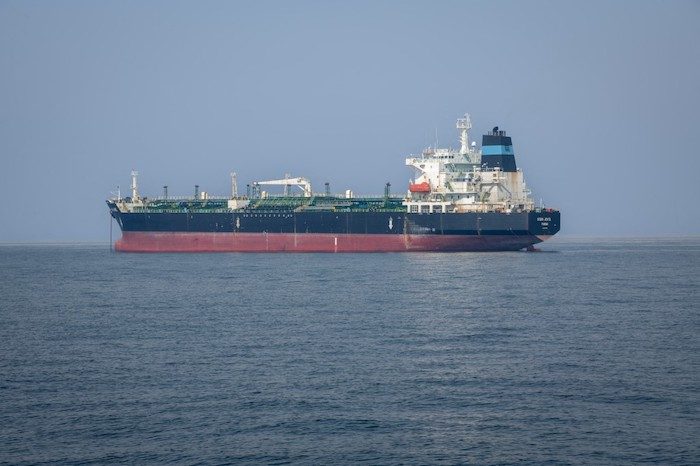
A US blockade of Iranian ports and a proposed 20% transit levy on the Strait of Hormuz have driven Brent crude up nearly 5% to $87, reviving market fears that surging energy costs will force the Federal Reserve to hike interest rates.
US forces struck targets in Iran on Tuesday after Tehran attacked commercial vessels in the Strait of Hormuz and fired on locations in Bahrain, Jordan, Kuwait, and Oman. The escalation followed an Iranian strike on a commercial ship on Sunday that allegedly killed a crew member, which prompted Washington to order a blockade of Iranian ports on the waterway starting Tuesday evening.
President Donald Trump compounded the supply shock by declaring the US would take over the strait and impose a 20% fee on all cargo passing through it. “We’re going to hit them very hard tonight, and we’re going to hit them hard tomorrow,” Trump told a radio host on Monday. Brent crude surged 4.9% to $87.34 a barrel by late morning in Europe, adding to a 9% jump the previous day.
While Iran dismissed the levy as “piracy,” the threat alone has financial markets pricing in a sustained energy premium. The 20% fee would add about $16 to the cost of every barrel transported on a typical supertanker. “It remains to be seen whether the plan will stick – probably not – and whether it is merely a negotiating tactic aimed at getting Iran to pause its military strikes on shipping in the area,” said Jason Wong of BNZ.
The oil spike presents a direct threat to the global disinflation narrative. Fed governor Christopher Waller warned on Monday that another elevated core inflation reading this week would force the central bank to consider tightening monetary policy in the near term. Interest rate markets reacted by pricing a 76% probability of a Fed rate hike by September, up from 39% for the meeting later this month.
Equities showed divergent reactions to the dual threat of geopolitical risk and tighter monetary policy. Asian tech stocks attempted a recovery from a sharp AI-driven selloff. SK Hynix rose more than 3% after a 15% collapse the day prior, while Samsung gained 3.3%, helping the Seoul benchmark erase a 5% intraday drop to close up 0.7%. Tokyo, Hong Kong, and Shanghai also finished higher.
European bourses opened in negative territory, with the CAC 40 down 0.9% and the DAX falling 0.8%. The divergence underscores fragile investor confidence as attention turns to upcoming US inflation data, the start of earnings season, and congressional testimony from Fed boss Kevin Warsh.