Gold Plunges 23% During Iran Conflict, Breaking Safe-Haven Rule
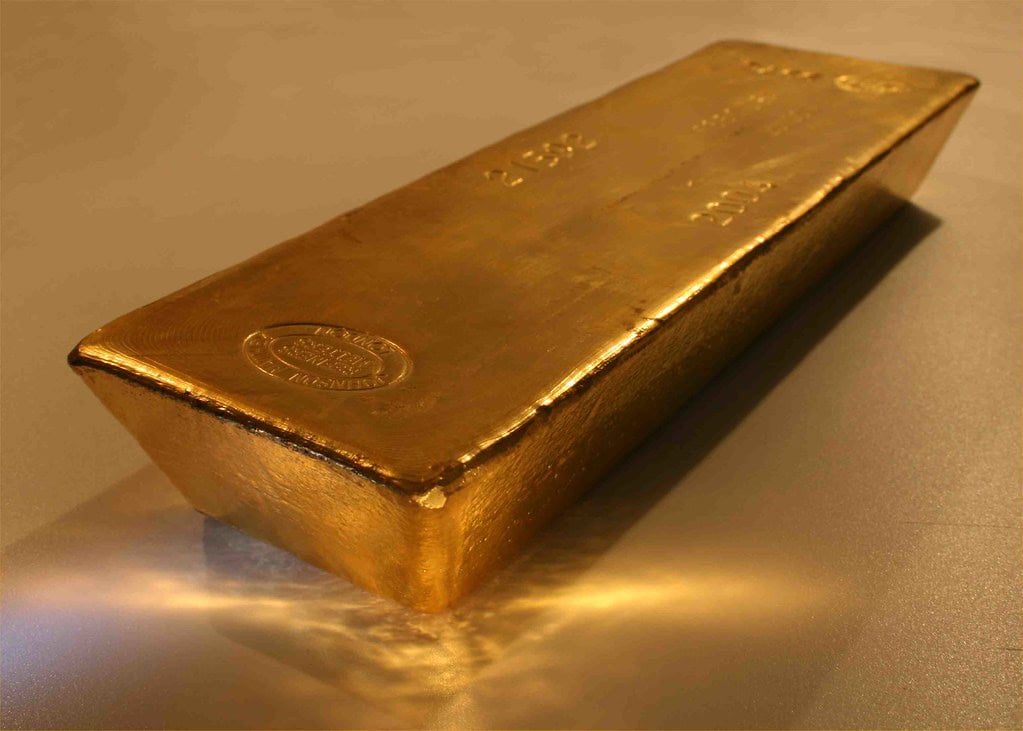
The traditional flight to bullion and defense stocks failed as markets appeared to price in geopolitical risk long before the Iran conflict erupted.
Gold and defense equities suffered steep losses during the recent Iran conflict, contradicting the standard playbook for geopolitical crises. The SPDR Gold Shares ETF (GLD), the largest and most liquid vehicle for holding physical bullion with a 0.40% expense ratio, fell 23.06% between March 2 and July 10, 2026. Lockheed Martin dropped 22.16% over the same window.
The conflict officially began on February 28, but the damage to perceived safe-haven assets was swift. GLD opened the trading window at $490.00 and closed at $377.01 on July 10, turning a theoretical $10,000 investment into roughly $7,694. Energy stocks slipped 2.12%, indicating that the market was experiencing a broad repricing rather than a targeted sector shock.
Market professionals attribute the disconnect to aggressive front-running of the risk. The CBOE Volatility Index peaked at 31.05 on March 27, precisely when the traditional safe-haven playbook dictates that gold should catch a strong bid. Instead, the fear premium evaporated. By late June, the VIX had collapsed to 16, a move that prompted investor Steve Weiss to publicly exit his GLD position.
The short-term reversal is particularly striking given the momentum gold carried into the crisis. Bullion was trading near $4,370 an ounce in early 2026, fueled by a two-year rally. UBS had recently issued a $5,000 price target for the metal, citing robust central bank buying and broader policy uncertainty.
Despite the conflict-driven drawdown, the longer-term trajectory for gold remains intact. Over a one-year period, GLD boasts a return of 23.13%. The five-year return sits at 122.81%, and the ten-year return is 196.51%.
For institutional investors, the Iran conflict serves as a cautionary tale against mechanical geopolitical trading. When tensions escalate incrementally, markets frequently discount the risk long before hostilities actually commence. In this environment, buying gold purely as a conflict hedge destroyed capital rather than preserving it.