Paraná Supply Chain Investments Drive Brazil Non-Alcoholic Beer Surge
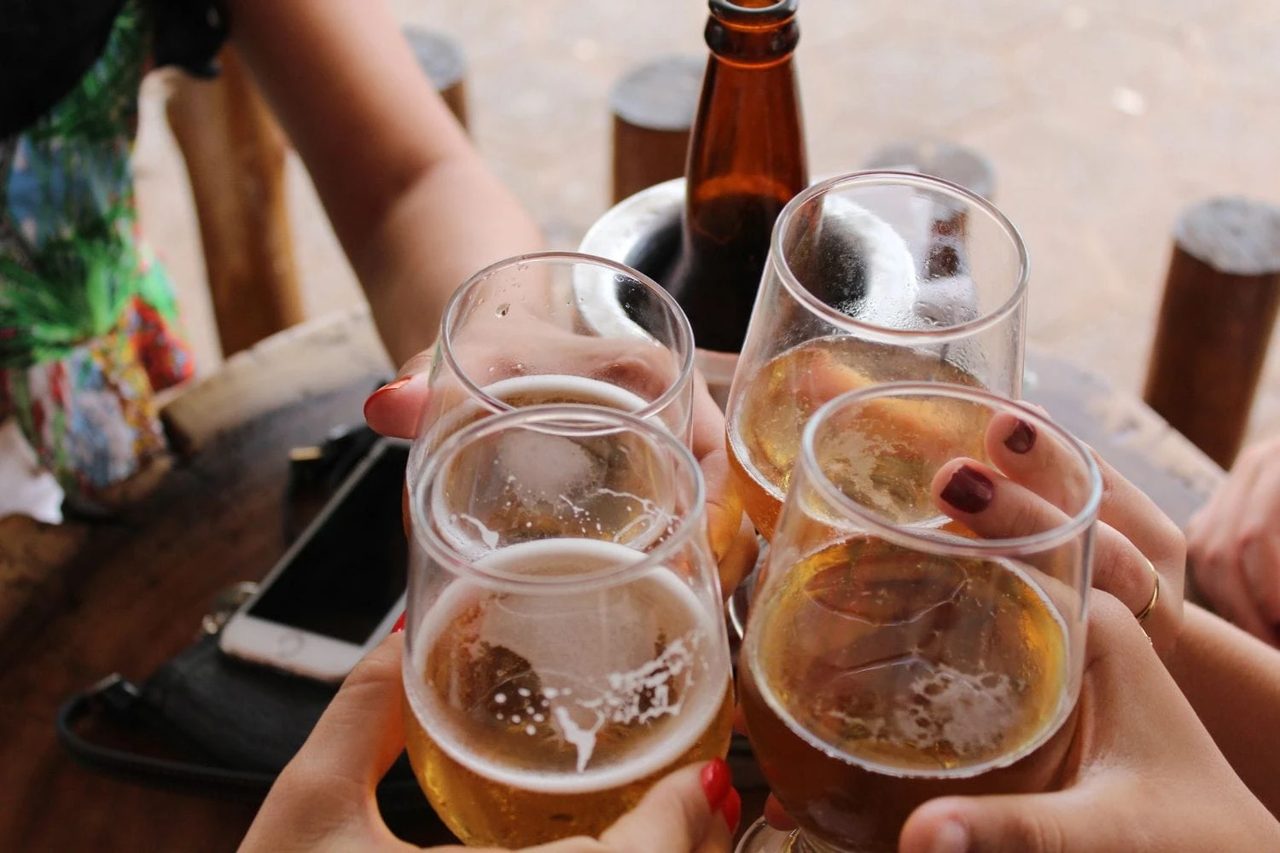
A five-billion-real investment in localized production has given the southern Brazilian state a decisive cost and volume advantage in the world’s second-largest non-alcoholic beer market.
Non-alcoholic beer consumption in the Brazilian state of Paraná surged 81.1 percent in the second quarter of 2026, dramatically outpacing the rest of the country. According to retail analytics firm Scanntech, the state’s volume climbed 43.4 percent in the year to April, lifting its national market share to 16.8 percent.
This regional concentration highlights a broader shift in Brazil, which is now the world’s second-largest market for non-alcoholic beer behind Germany. Paraná alone sold nearly nine million litres over the period, generating approximately 110 million reais, or 22 million US dollars, in retail value.
The growth is fundamentally underpinned by localized cost advantages. A litre of non-alcoholic beer in Paraná costs roughly 12.43 reais, nearly ten percent below the national average. Local retailers have passed these savings on, cutting shelf prices by eight percent over the past year compared to a marginal one percent decrease nationally.
This pricing power stems from roughly five billion reais invested in the state’s beer supply chain since 2020. Paraná has developed Brazil’s most comprehensive production network, spanning barley cultivation, malt processing, and glass-bottle manufacturing. Major industry players, including Heineken and Ambev, operate significant facilities in the region to capitalize on these efficiencies.
Craft brewers are also leveraging this infrastructure to capture premium segments. Way Beer, a local label, utilizes specialist yeast to retain aroma and body without post-fermentation alcohol stripping. Supermarket groups are responding to the sustained demand by expanding shelf space for zero and low-alcohol beverages, reclassifying the category from a niche offering to a core growth line.
The volume expansion reflects a structural change in consumer behavior, particularly among younger demographics actively reducing alcohol intake. Under Brazilian regulations, beverages containing up to 0.5 percent alcohol can be labeled as without alcohol, while products marketed as 0.0 percent must adhere to a stricter 0.05 percent threshold.
For fast-moving consumer goods investors, Paraná offers a clear blueprint for regional market dominance. The combination of vertical integration, aggressive regional pricing, and shifting health trends is creating a highly scalable model within Brazil’s evolving beverage sector.