China's ASEAN power exports jump 43% on energy security fears
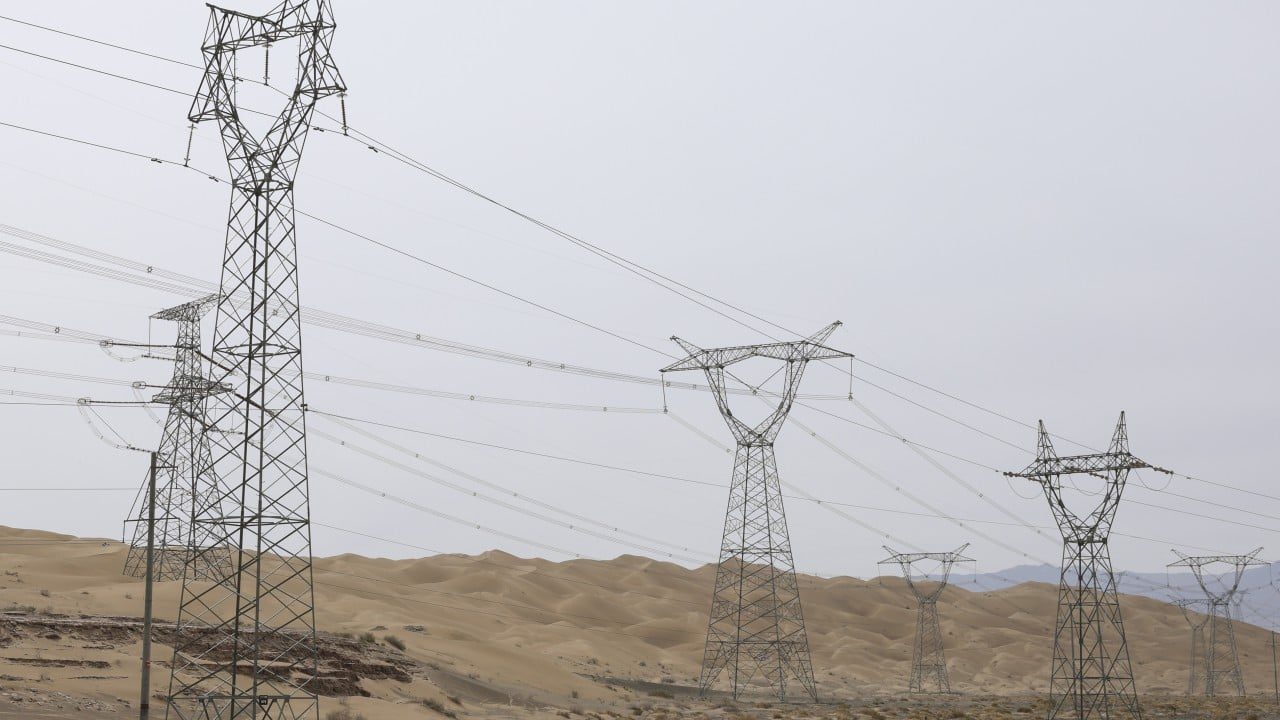
China's electricity exports to Southeast Asia surged 43% in the first half of the year, signaling deepening regional supply chain integration as Middle Eastern geopolitical risks drive alternative energy demand.
China exported 2.39 billion kilowatt-hours of electricity to Association of Southeast Asian Nations (Asean) countries in the first half of 2026, a 42.9 per cent increase from the same period a year earlier. The spike highlights a strategic shift in Asian energy flows at a time when tensions in the Strait of Hormuz have revived anxieties about the security of traditional global energy supply routes. This rapid acceleration positions China as an increasingly vital regional energy supplier.
The rise in power exports is not an isolated anomaly but part of a broader acceleration in bilateral trade driven by deeply intertwined manufacturing supply chains. Intermediate goods trade between China and Asean reached 2.86 trillion yuan in the first six months of the year, representing a 24.5 per cent year-on-year increase. Electricity is now effectively functioning as a critical industrial input within this expanding trade category, fueling the factories that assemble these intermediate components.
Myanmar accounted for the most dramatic growth within this power surge, with Chinese electricity shipments to the country nearly doubling during the first five months of 2026. Lu Daliang, a spokesman for the General Administration of Customs, told a press conference on Tuesday that these growing energy flows had "supported the region’s production and daily life". The data suggests that cross-border grid infrastructure is maturing to meet rising industrial demand.
Beyond the power sector, overall Chinese exports to the Southeast Asian bloc remained resilient heading into the summer. Customs data indicated that total shipments to Asean in June alone rose 34.6 per cent compared to the previous year, demonstrating that broader commercial momentum extends well beyond energy provision.
For investors and corporate planners, these figures reinforce a critical market dynamic: Asean's manufacturing sector is becoming structurally reliant on Chinese industrial inputs. As Middle Eastern shipping lanes face geopolitical disruptions, cross-border grid integration offers manufacturers in Southeast Asia a localized and predictable energy backstop. This structural shift is likely to further anchor regional supply chains, creating sustained revenue streams for Chinese utility operators while altering the competitive landscape for regional energy markets.