Intel server price hikes fuel 200% rally ahead of earnings
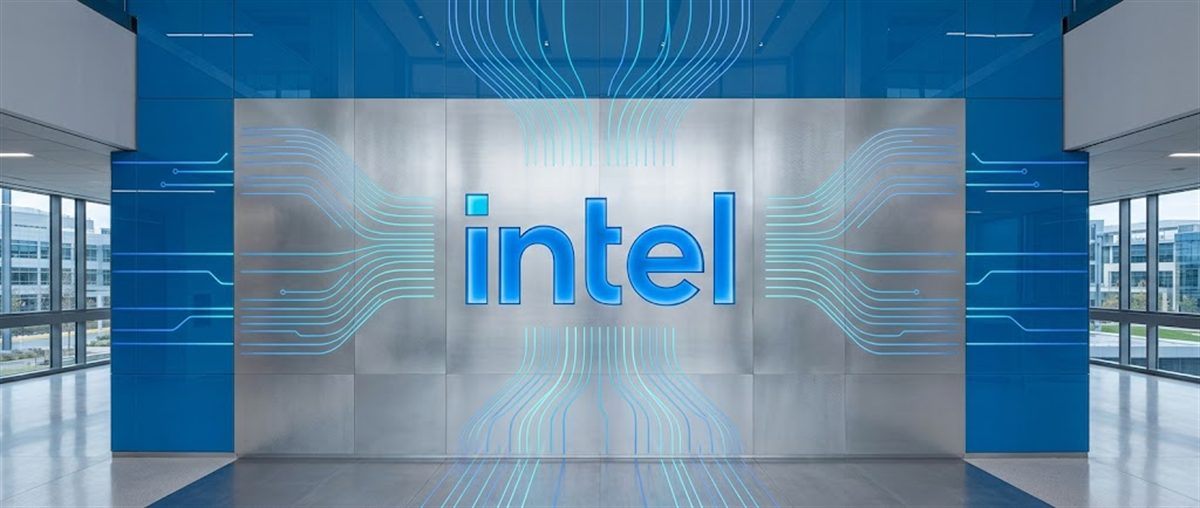
A supply shock in traditional data center processors has handed Intel unexpected pricing power, setting the stage for a make-or-break earnings report later this month.
Intel has imposed 10% to 15% price increases on its enterprise server processors, a rare display of leverage driven by a severe supply deficit as hyperscalers scramble to upgrade aging data centers for agentic AI workloads.
The rapid replacement of 2019-era server racks has created an unexpected bottleneck in traditional CPUs needed to orchestrate massive AI data flows. Competitor AMD has functionally exhausted its 2026 server pipeline because of its reliance on external foundries, effectively forcing enterprise buyers back into Intel's ecosystem.
This sudden pricing power arrives at a critical juncture for the chipmaker. Intel carries a trailing 12-month net margin of negative 5.9%, meaning the immediate revenue injection from these price hikes can drastically rewrite forward earnings math and fund its costly manufacturing overhaul.
The structural shift has already powered a 200% year-to-date rally, lifting shares from $36.90 to roughly $110, sharply diverging from the Wall Street consensus target of $96. Sophisticated investors are looking past a trailing price-to-earnings ratio of roughly 193, focusing instead on projected earnings growth of 51.56%.
Foundry execution under the microscope
To validate HSBC analyst Frank Lee's Street-high $200 price target, Intel must prove its manufacturing turnaround is real. The company reports its 18A node has moved past early yield problems and is scaling toward 30,000 wafers per month in high-volume manufacturing.
Crucially, Intel announced that 18A-P, a performance-tuned variant, entered risk production exactly on schedule. For a corporation historically plagued by manufacturing delays, demonstrating predictable execution is essential to converting theoretical foundry interest into binding contracts with major fabless clients for the second half of 2026.
The July 23 earnings report will serve as a binary catalyst for this thesis. After obliterating first-quarter estimates with 29 cents in non-GAAP earnings per share against a 1-cent consensus, the options market is now pricing in a severe 23% post-earnings swing.
Management faces pressure to detail the exact margin expansion from the recent price hikes and announce concrete 18A customer commitments. The fundamental rotation driving the stock higher—supported by CFO David Zinsner's January open-market purchases and heavy institutional call option accumulation—ultimately depends on whether Intel can translate factory-floor progress into booked revenue.