Oil surges 6% on Hormuz blockade; US debt costs hit $24bn a week

A new US naval blockade on Iran has sent oil prices jumping 6%, compounding the fiscal pressures on a US economy already paying $24 billion a week in debt interest.
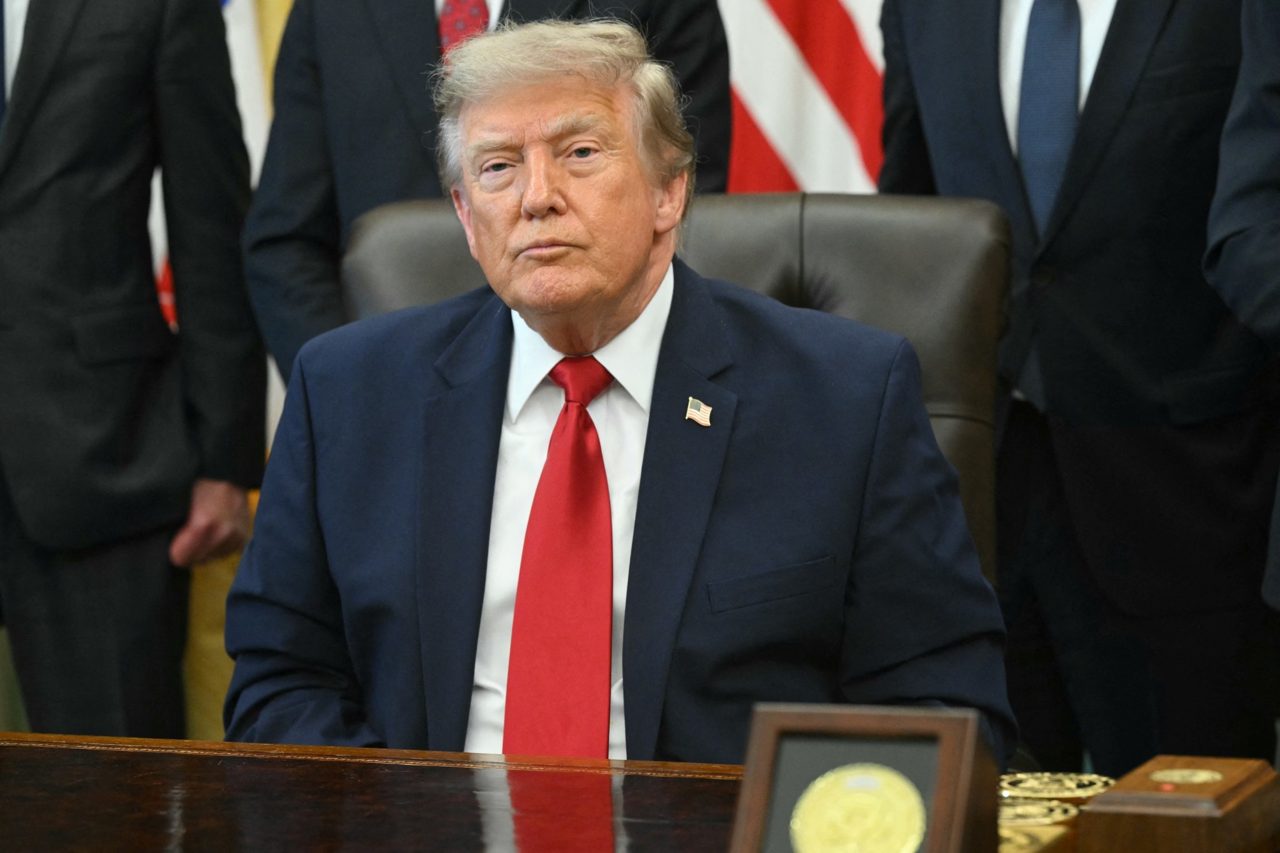
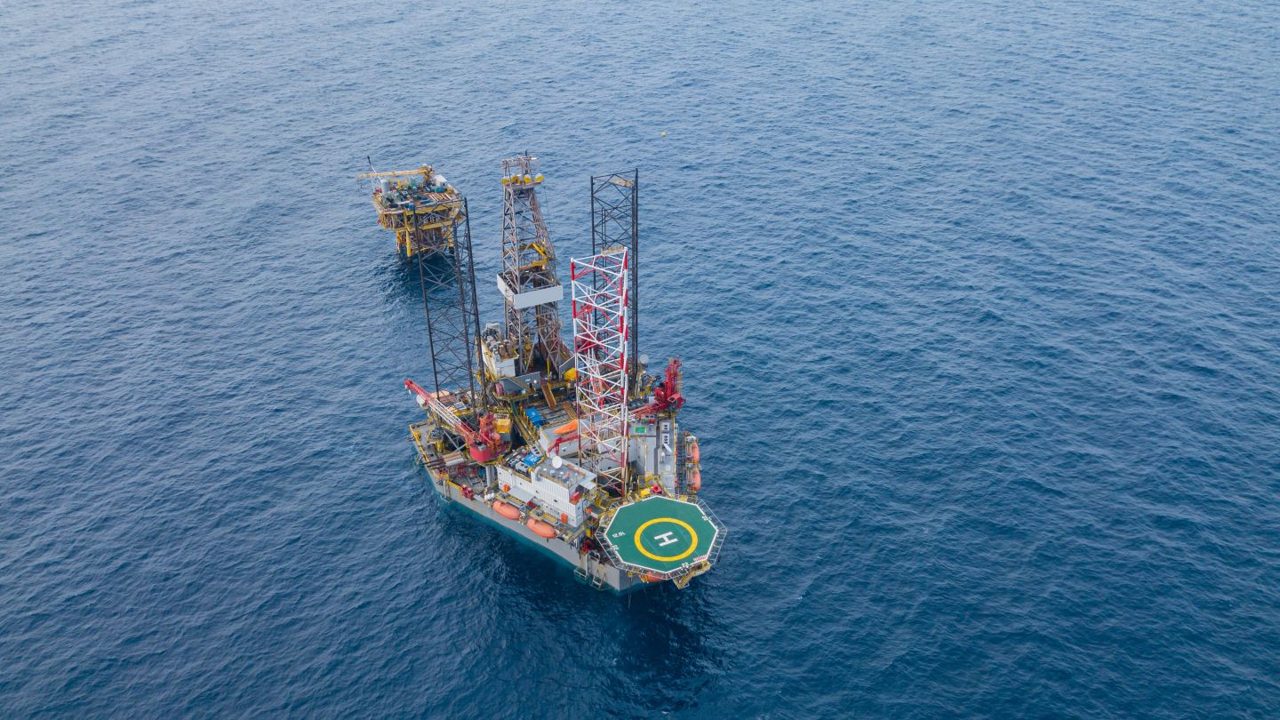
US President Donald Trump has reimposed a naval blockade on Iran and demanded a 20% toll on all cargo shipped through the Strait of Hormuz. The geopolitical escalation triggered an immediate 6% jump in oil prices. Traffic through the alternate Omani corridor dwindled as vessels increasingly resorted to "dark" routes to avoid Iranian attacks.
Global markets reflected the uncertainty. The STOXX Europe 600 fell 0.73% and the UK’s FTSE 100 dropped 0.66% in early trading.
US equities faced continued pressure, with the S&P 500 closing down 0.79% in the previous session and futures edging down another 0.07% this morning. Asian benchmarks were mixed, with China’s CSI 300 rising 2.15% while India’s NIFTY 50 declined 0.67%. Bitcoin held at $64,000.
The energy shock hits a US fiscal landscape already under severe strain. The US Treasury is currently paying $24 billion a week in interest on its debt.
Roger Crandall, CEO of MassMutual and former chair of the Boston Fed, framed the debt trajectory in stark personal terms. “Ten dollars a day. That’s how much your share of the U.S. debt is going up every day,” he said. “For tax‑paying Americans, it’s more than $25 a day.”
Escalating public debt threatens to lift corporate borrowing costs and pressure currency valuations. Crandall noted that the US economy is structurally unprepared for shifting demographic realities. “We’re heading to a society where people live for 100 years, and we haven’t really prepared for that,” he warned.
The Trump administration is reportedly looking at Australia’s mandated retirement-savings system as a potential model to address this growing gap. Corporate America is simultaneously navigating intense competitive and legal risks in a volatile environment.
Apple has sued former employees Tang Yew Tan and Chang Liu, accusing them of stealing hardware trade secrets to aid OpenAI’s forthcoming consumer device. Apple alleges Liu exploited an authentication bug to download confidential files and claims such behavior is "the tip of the iceberg."
The iPhone maker accused OpenAI's leadership of normalizing misconduct, which OpenAI denied, stating it has no interest in "other companies' trade secrets." The litigation immediately reignited a public feud between OpenAI CEO Sam Altman and Elon Musk.
Musk called Altman "Scam Altman" on X, prompting Altman to retort that Musk is "the one selling public market investors on short-term space data centers." The exchange revived a rivalry dating back to Musk's failed 2018 bid to take control of OpenAI.
Crandall believes a comprehensive fiscal fix will ultimately have to come from Congress, potentially by 2032. In the interim, companies and individuals face a growing burden to fund their own long-term financial and physical health.