Robinhood Chain Pays Just $1,600 to Ethereum On $843,000 Fees
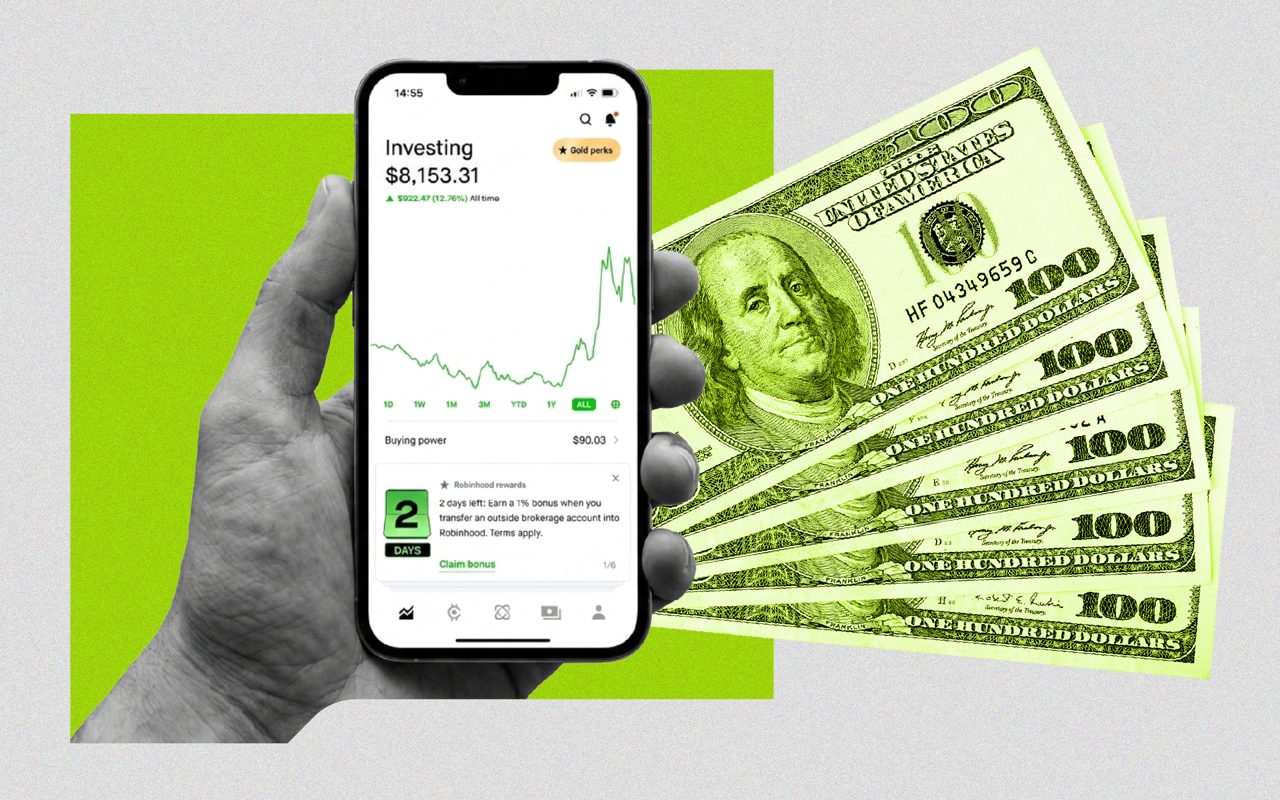
Robinhood's new Ethereum Layer-2 network captures over $800,000 in user fees while paying minimal settlement costs to the base layer, highlighting a strategy that prioritizes mass onboarding over Ethereum revenue generation.
Robinhood has launched Robinhood Chain, a custom Ethereum Layer-2 network built specifically to support tokenized real-world assets. In its early operations, the network generated roughly $843,000 in user transaction fees while paying only about $1,600 to the Ethereum mainnet for data availability and settlement.
This dramatic fee imbalance has sparked a debate within the digital asset industry. Critics point to the dynamic as evidence that Layer-2 networks extract disproportionate value from the Ethereum ecosystem without returning adequate revenue to the base layer. The criticism reflects an ongoing tension regarding how value is distributed across blockchain networks.
However, analyzing Robinhood Chain purely through the lens of Ethereum fee generation overlooks its primary strategic function. The network is engineered to tokenize US equities, allowing users to hold blockchain-based representations of publicly traded companies directly in self-custody Robinhood Wallets.
This architecture marks a departure from standard brokerage operations. Rather than keeping users trapped inside a closed financial ecosystem, Robinhood Chain introduces them to assets that exist natively on blockchain infrastructure. The tokenized stocks support 24/7 transfers and are designed for eventual interoperability with decentralized finance applications.
A gateway for mainstream capital
For investors and market professionals, the real significance of Robinhood Chain is its potential as an onboarding engine. The brokerage could introduce millions of mainstream retail users to Ethereum-based finance through familiar assets like US stocks.
Additionally, the network solves a practical market access problem. By tokenizing equities on a blockchain, Robinhood can offer US stock exposure to users in international markets where direct access to American exchanges has historically been limited or heavily restricted.
The modest $1,600 settlement cost is a direct result of Layer-2 technology, which batches thousands of individual transactions before finalizing them on Ethereum. While this batching drastically reduces costs for end users, it inherently limits the fees passed down to the base layer. Ultimately, Robinhood Chain’s success will likely be measured by the volume of traditional capital it bridges onto Ethereum, rather than the settlement fees it pays.