BNDES grants $19m to kickstart Brazil's $1.4bn nickel project
Brazil’s national development bank has approved $19 million for a Piauí state nickel and cobalt project, signaling state backing to help unlock the remaining $1.4 billion needed from private investors seeking non-Chinese battery metals.
Brazil’s national development bank, BNDES, has approved 100 million reais ($19 million) for the Piauí nickel and cobalt project. The financing goes to Piauí Níquel Metais, the Brazilian subsidiary of Britain’s Brazilian Nickel Limited.
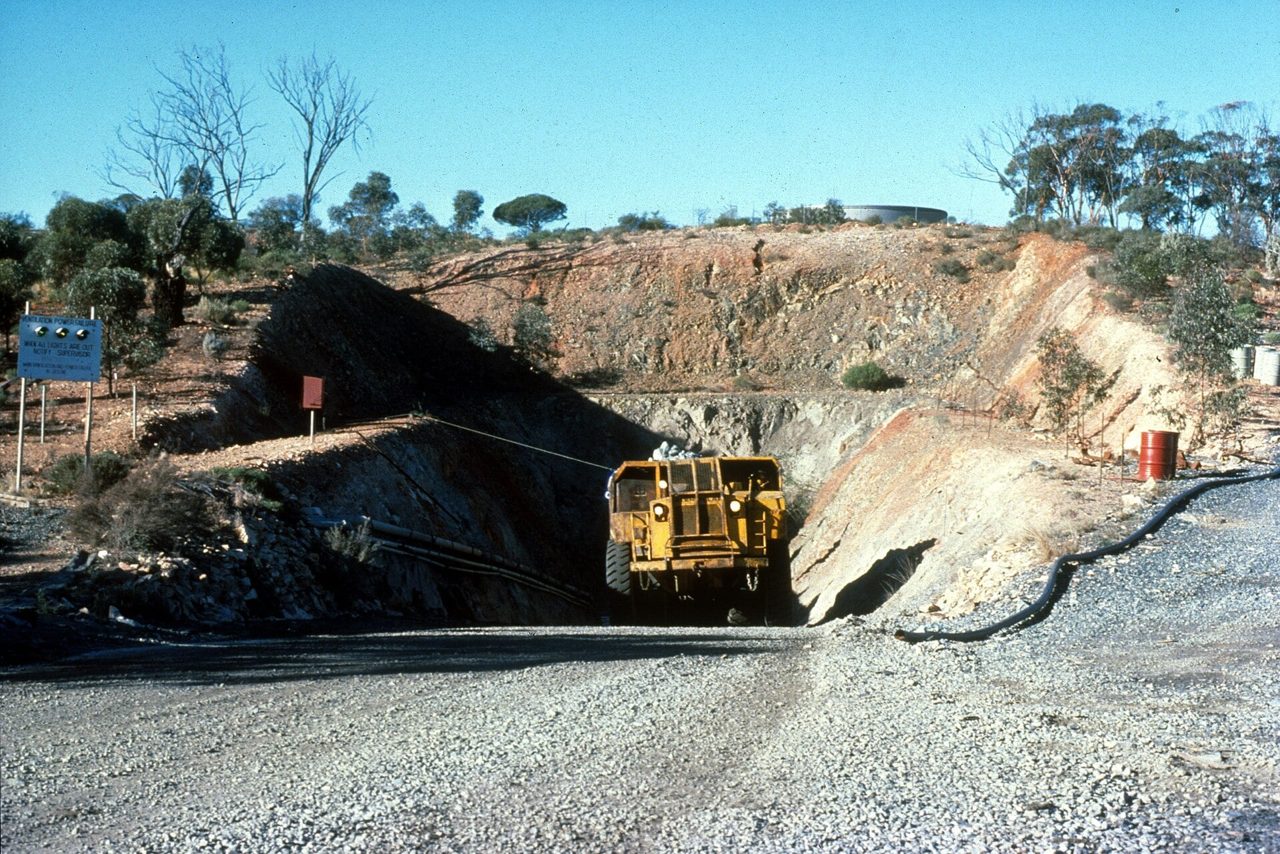
The capital will purchase machinery, industrial systems and processing services for a plant in Capitão Gervásio Oliveira, located in southern Piauí state. It was selected through a 2025 public call for strategic-minerals investment launched jointly by BNDES and the innovation agency Finep.
The facility is designed to produce mixed hydroxide precipitate (MHP), an intermediate material combining nickel and cobalt. Annual production targets stand at roughly 27,000 tonnes of nickel and 900 tonnes of cobalt. MHP is a key input for electric vehicle batteries, as well as stainless steel and specialty alloys.
For investors, the immediate significance lies in the financing structure rather than the sum itself. The total project carries an estimated $1.4 billion price tag, meaning this state-backed tranche funds only a portion of the equipment. The developer is actively talking to state-backed lenders in the US, Canada and Europe to secure a much larger anchor investment.
In project finance, a development bank taking early risk acts as a signal to commercial funds. It effectively validates the due diligence, often accelerating the deployment of private capital. This dynamic is crucial for a market currently hunting for alternatives to Indonesian nickel, where supply has been squeezed.
There is, however, a limit to the domestic value-add. As currently designed, the project will not refine the MHP into battery-grade sulfates in Brazil. Instead, the intermediate will be exported to foreign refiners and industrial users abroad. For now, Brazil is using state capital to position itself as a reliable, non-Chinese source of battery metals, even if the deepest processing stays offshore.
BNDES president Aloizio Mercadante framed the approval as core industrial policy. He argued that "turning Brazil’s mineral wealth into development requires adding value and technology, not just extracting ore." The bank is currently widening its footprint in critical minerals and weighing direct equity stakes through its investment arm.
Processing will rely on heap leaching, a method where liquid is trickled through stacked ore to extract metals. BNDES highlights this technique as lower-carbon, noting it consumes less energy and water while avoiding the tailings dams that have caused past mining disasters in Brazil. First production is slated for 2028, with full operations expected around 2029, though some accounts suggest the timeline could slip into the next decade.