Lockheed Faces July Margin Test After $607M DoD Deals
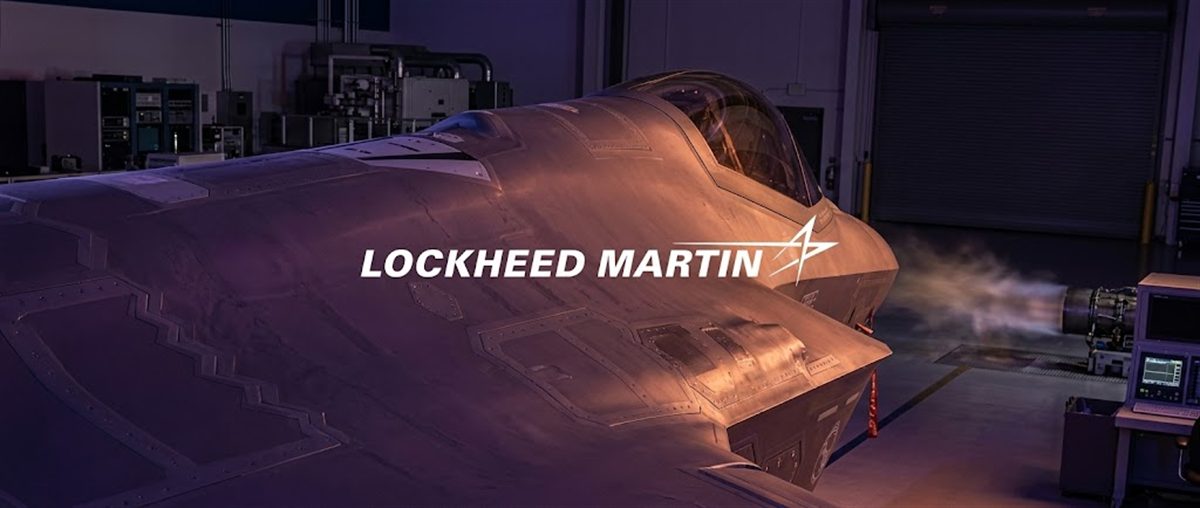
Lockheed Martin has secured $607.4 million in new sustainment contracts, but investors are looking to its July 23 earnings report to see if the defense giant can reverse first-quarter margin compression.
Lockheed Martin has booked $607.4 million in fresh Department of Defense contracts, padding an already record-breaking $194 billion revenue backlog. The awards include $502.4 million for AH-64 Apache sustainment and $105 million for Air Force GPS ground control upgrades. However, the company's ability to convert that massive backlog into bottom-line profit faces a critical test when it reports second-quarter earnings on July 23.
Defense budgets are transitioning from discretionary spending to mandatory restocking, fundamentally changing how prime contractors generate cash. Sustainment contracts, like the Apache targeting and night-vision deal, provide decades of recurring revenue rather than one-off airframe sales. This dynamic effectively turns Lockheed into a highly regulated utility, a status reinforced by its new PAC-3 Missile Sustainment Facility in Europe following the July 2026 NATO Summit in Ankara.
Despite the demand certainty, first-quarter 2026 results exposed vulnerabilities in fixed-price contracts. Earnings per share landed at $6.44, missing the $6.79 consensus estimate, as segment operating margins compressed from 11.6% to 10.1%. The primary culprits were unfavorable adjustments on F-16 production and inflationary cost pressures in classified aeronautics programs that Lockheed could not immediately pass through to the government.
Management is countering these aeronautics headwinds by pivoting toward maritime defense. The $3.45 billion acquisition of Ultra Maritime brings specialized anti-submarine warfare technologies, including sonobuoys and acoustic countermeasures, into Lockheed's portfolio. This vertical integration shifts the revenue mix away from rigid fixed-price aircraft assembly toward consumable naval systems that carry stronger pricing power.
Recent share price weakness appears disconnected from these operational fundamentals. Lockheed was dropped from the Russell 1000 Value-Defensive Index, triggering forced liquidations by passive funds. Surface-level insider selling also created negative optics, though this was largely tied to the June 1 retirement of Aeronautics President Greg Ulmer rather than a lack of internal confidence.
Underneath this technical noise, the stock offers defensive characteristics for institutional portfolios. A beta of 0.11 means the equity moves almost entirely independent of broader market volatility, supported by a 2.64% dividend yield and a $13.80 annualized payout. Analysts expect a sharp recovery to $7.23 earnings per share for the second quarter, a number that will confirm whether fixed-price friction has peaked.