Colombia president-elect targets $18.5bn in spending cuts
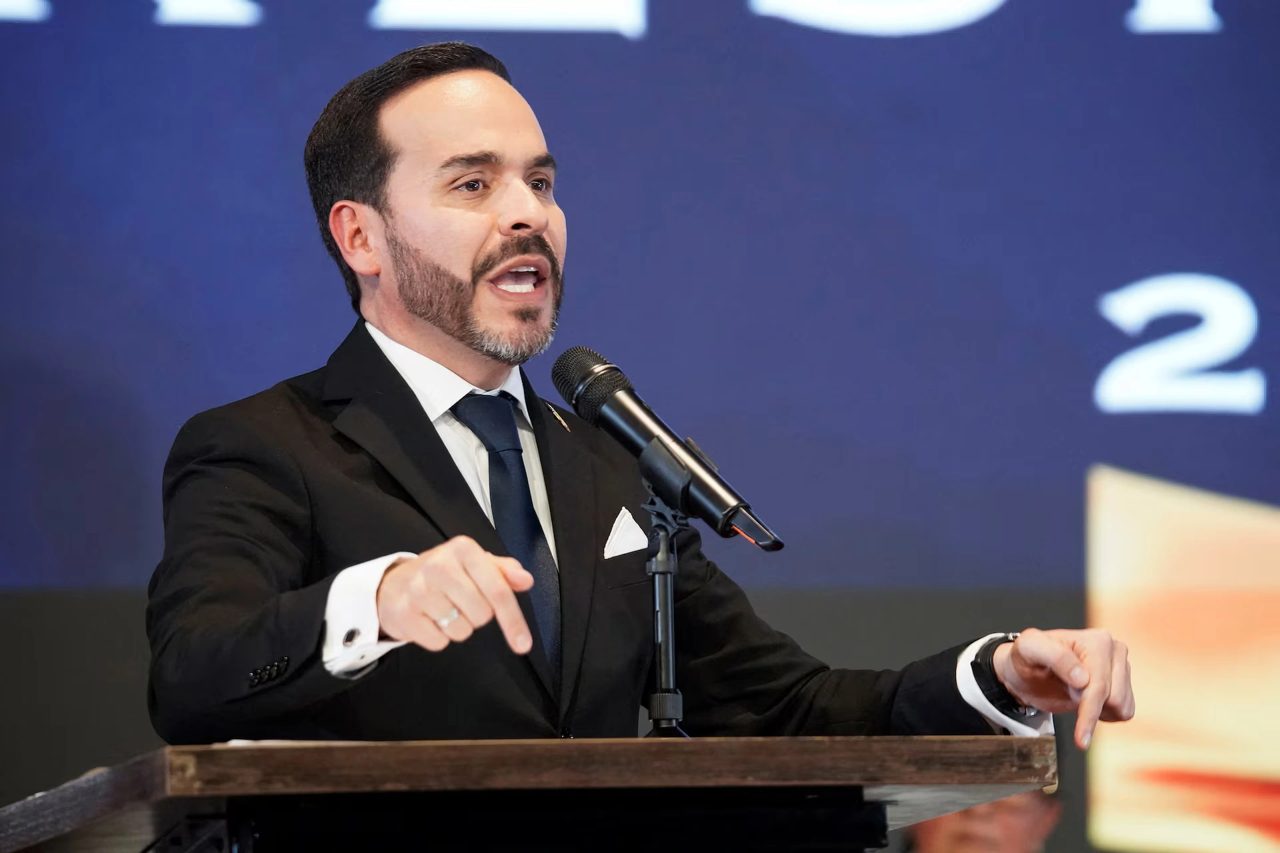
Colombia's incoming leader has ordered an immediate budget freeze and $18.5 billion in spending cuts to signal a pro-market fiscal pivot, though structural rigidities pose a challenge to execution.
President-elect Abelardo de la Espriella has instructed his finance-minister-designate, Miguel Gómez, to prepare a package of decrees that will freeze the 2026 budget on his first day in office, August 7. The measure will pause non-essential outlays and release funds only for critical items like payroll while officials audit the true state of public accounts.
The incoming administration is targeting roughly sixty trillion pesos, or eighteen and a half billion dollars, in spending reductions alongside a smaller cabinet. A primary focus will be a sweeping review of hundreds of thousands of short-term service contracts to eliminate waste. To underscore the shift, officials have ruled out opening with a tax hike, arguing the state must demonstrate austerity before asking citizens for more revenue.
For foreign investors, the directives represent a deliberate orthodox turn after years of fiscal expansion. The urgency is grounded in a daunting fiscal inheritance: the outgoing government reported a deficit of six point four percent of output last year, while an independent fiscal watchdog pegged this year's shortfall closer to seven point four percent. Public debt now sits near two thirds of the economy, with monthly expenditures consistently outpacing revenue.
Despite the pro-market signal, significant execution risks remain. Governing by decree invites friction with a divided Congress, and freezing an active budget can stall vital projects and services. Furthermore, analysts note that the 2026 budget is largely already set, meaning the most substantial adjustments will likely depend on next year's spending plan and subsequent reforms. Much of the existing budget is also locked into mandatory obligations like pensions, salaries, and debt service, limiting the room to achieve the headline reduction targets.
To manage the transition, de la Espriella has pledged to maintain an institutional relationship with the legislature and respect central bank autonomy, while confirming that flagship social programmes will continue. A delegation is also preparing to travel to Washington to negotiate the reprofiling of public debt and secure new financing sources.