Micron Falls as Rival SK Hynix Secures $26.5 Billion
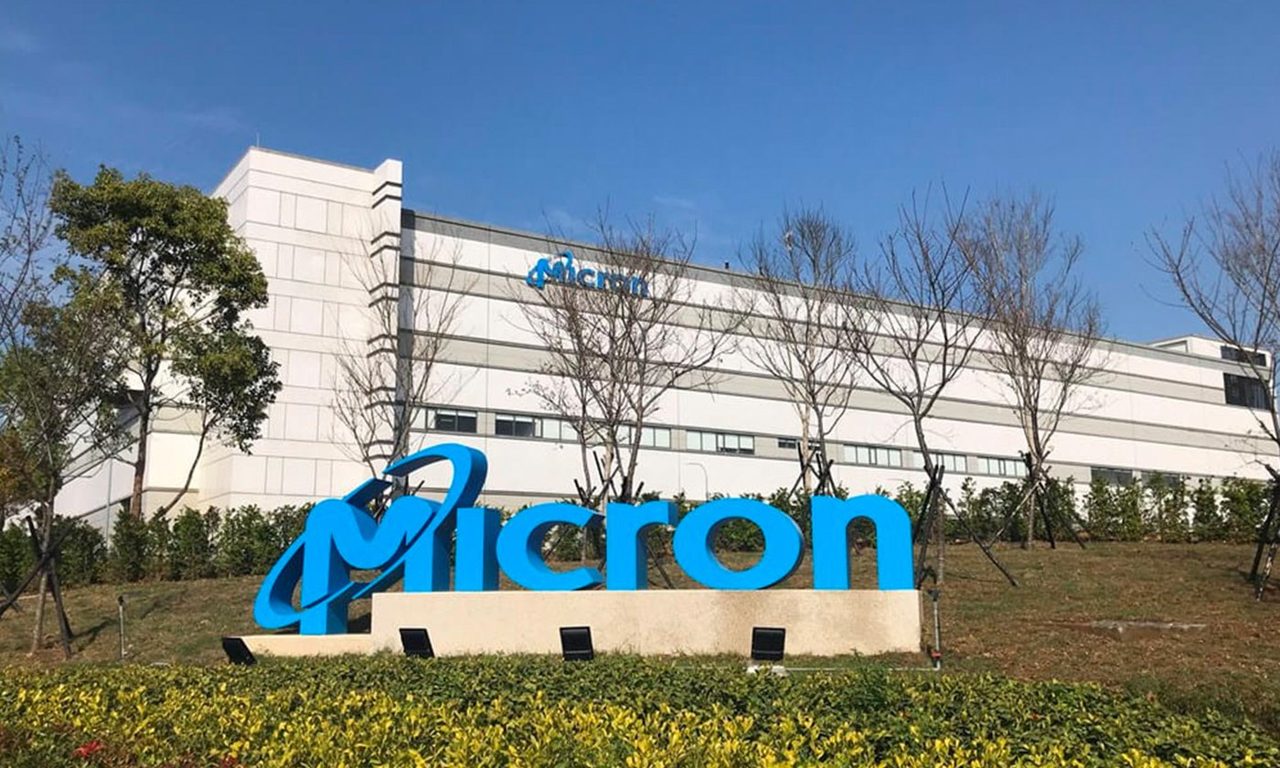
Micron shares fell 3.9% after rival SK Hynix raised $26.5 billion in its Nasdaq debut, sparking fears that a massive capacity expansion will end the memory chip pricing boom.
Micron stock dropped 3.9% through 11:05 a.m. ET as investors weighed the market implications of rival SK Hynix listing on the Nasdaq. While SK Hynix initially surged 14% on its debut as an American Depositary Receipt, the shares reversed to trade more than 6% lower, dragging Micron down with them.
The selloff in Micron was triggered directly by SK Hynix’s newly secured war chest and its long-term production roadmap. The Korean chipmaker’s Nasdaq debut netted $26.5 billion in new stock sales. Speaking alongside the listing, SK Hynix’s chief executive declared that the global memory market will face its "worst-ever supply shortage" next year, adding that supply will remain low and prices high through 2030 and beyond.
Rather than reassuring investors, that aggressive outlook highlighted SK Hynix’s dominant position and its ultimate ability to dictate market terms. The company controls between 50% and 60% of the high-bandwidth memory market, which is critical for artificial intelligence applications. It also holds a 29% share of standard DRAM. Both figures exceed Micron’s market share, effectively making SK Hynix the price setter across key memory segments.
The primary concern for Micron executives and shareholders is how SK Hynix intends to deploy its $26.5 billion windfall. The manufacturer has outlined plans to double its total DRAM production by 2030. While elevated memory prices are currently driving record profits for Micron, a massive ramp in supply from the market leader threatens to overturn this highly favorable pricing dynamic.
For market professionals, the listing underscores a shifting risk profile for secondary memory chipmakers. The massive influx of capital gives SK Hynix the financial firepower to proceed with or even accelerate its expansion timeline. If that production increase materializes faster than AI-driven demand can absorb it, the resulting oversupply will likely compress industry margins and cost Micron both profits and market share.
The market's reaction illustrates a fundamental tension in the semiconductor cycle. Current valuations for companies like Micron rely heavily on the assumption that AI infrastructure spending will keep memory supply tight for years. SK Hynix’s well-funded vow to double output challenges that narrative, introducing a concrete timeline for when the current pricing boom could effectively end.