US grocery inflation drives surge in consumer credit struggles
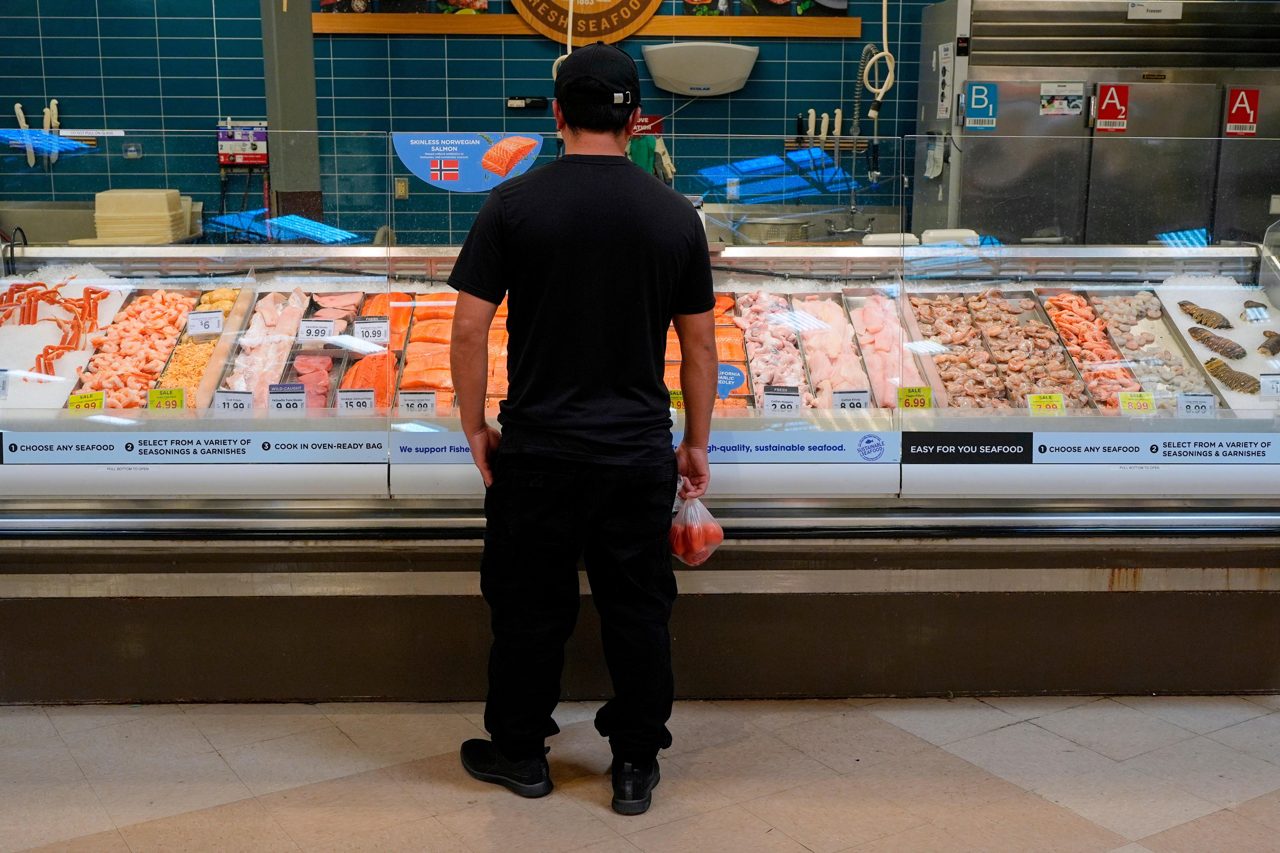
More than a quarter of US adults who used credit cards for groceries last year failed to clear the debt, signaling deepening household financial stress that threatens future consumer spending.
More than a quarter of US working-age adults who used credit cards to pay for groceries last year could not repay the balance in full, according to new research from the Urban Institute. The study, which surveyed over 7,500 adults in December, found consumers are increasingly leaning on high-cost credit to cover basic food costs as prices remain elevated.
The share of adults who paid for groceries with a credit card and then missed the minimum payment rose to 8.7% in 2025, up from 7.1% in 2023. These missed payments trigger late fees and compounding interest, deepening balance sheet holes for consumers and raising red flags for lenders monitoring credit quality.
The repayment strain is acute among middle-class households. For families earning between $64,300 and $128,600, the share unable to make a minimum payment jumped from 9.3% to 12.3%. "Families might be having trouble affording groceries with the resources that they originally intended to purchase groceries with," said Kassandra Martinchek, the report's lead author.
Credit cards are not the only financing tool masking food inflation. Nearly 10% of working-age adults used "buy now, pay later" loans for food last year, with a third missing a payment. About half of low-income adults who used these loans for groceries defaulted, compared to a quarter of high-income adults. Almost 5% turned to payday loans.
Approximately 20% of working-age adults also tapped long-term savings to buy food. "When they're taking on debt by not repaying their credit card or buy now, pay later bills in full, what this means is that now in the future they have to repay that debt and continue to meet their day-to-day financial needs," Martinchek said.
Grocery prices have climbed 32% since the pandemic and rose another 2.7% over the past year, according to government data. "Savings can be a helpful short-term strategy to cover budget shortfalls, but depleting savings for daily expenses can also signal risk," the Urban Institute noted. For investors, the growing reliance on expensive credit for essential goods indicates household purchasing power is eroding, posing a direct headwind to discretionary retail sectors and broader economic growth.