Grupo Toky Wins Court Shield as $215M Debt Squeezes Brazilian Retailer
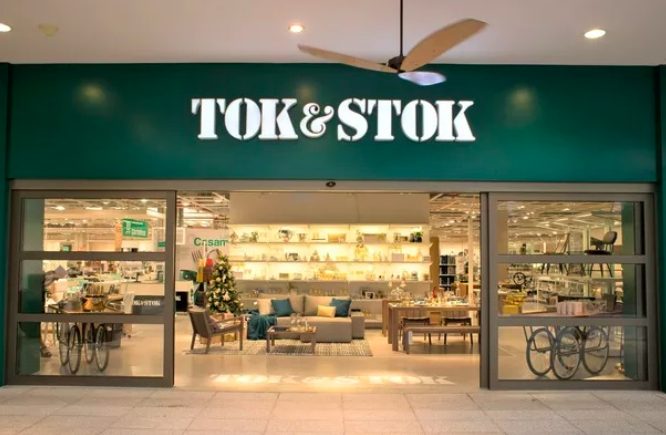
Grupo Toky, the parent of Brazilian retailers Tok&Stok and Mobly, has secured 180 days of creditor protection, highlighting how prolonged high interest rates are forcing distressed leveraged retailers into court-supervised restructurings.
Grupo Toky, the parent company of Brazilian furniture retailers Tok&Stok and Mobly, has secured court approval for a judicial recovery process. A São Paulo judge granted the holding company a 180-day stay on asset seizures and creditor enforcement actions while it attempts to restructure 1.1 billion reais, or roughly $215 million, in total obligations.
The court protection ensures the company's 63 physical stores and its digital Mobly platform will continue operating. Management stated the primary goal of the proceeding is to preserve the business and protect its 2,278 employees while a formal restructuring plan is drafted for a creditor vote.
The filing is the latest evidence that Brazil's prolonged period of elevated interest rates is systematically cracking the retail sector. Judicial recovery functions similarly to Chapter 11 in the United States, but Toky’s distress is heavily sectoral. Expensive credit has deterred households from making big-ticket purchases, hitting furniture and decor chains particularly hard.
Toky’s financial deterioration was accelerated by a heavily leveraged 2024 merger. The company was formed when the digital-native Mobly acquired the traditional, store-based Tok&Stok chain. The deal was structured to generate tens of millions of reais in annual logistics and operational savings. However, the combined entity inherited substantial debt just as Brazil's macroeconomic environment turned hostile to consumer spending.
Internal corporate governance issues compounded the balance sheet pressures. The founding Dubrule family launched legal challenges to reclaim control of the legacy brand, creating a fractious environment that distracted from the integration. The financial toll became clear in the first quarter of 2026, when the group reported a net loss of 55 million reais.
Public market investors have largely written off the equity. The company's share price has collapsed over the past twelve months, erasing the vast majority of its market value as leverage overwhelmed the projected merger synergies.
The immediate priority for management is drafting a restructuring proposal that can win creditor approval within the 180-day window. The ultimate success of the recovery will depend largely on external factors: whether Brazil's central bank eases borrowing costs quickly enough to revive furniture demand before the legal shield expires. Additionally, the Dubrule family remains a wildcard, having previously circled the business and potentially positioned to re-emerge as creditors or rescue investors in a recapitalized entity.