BHP weighs $2bn sale of Chilean water and power assets
BHP is considering selling desalination and transmission assets in Chile for up to $2 billion, a move that would unlock capital for its core copper expansion while offering infrastructure investors rare, guaranteed cash flows.
BHP is weighing the sale of a desalination plant and electricity transmission network in Chile that support Escondida, the world’s largest copper mine. The mining giant is looking to offload the infrastructure for between $1.5 billion and $2 billion, according to people familiar with the matter. The process is in its early stages and BHP has declined to comment.
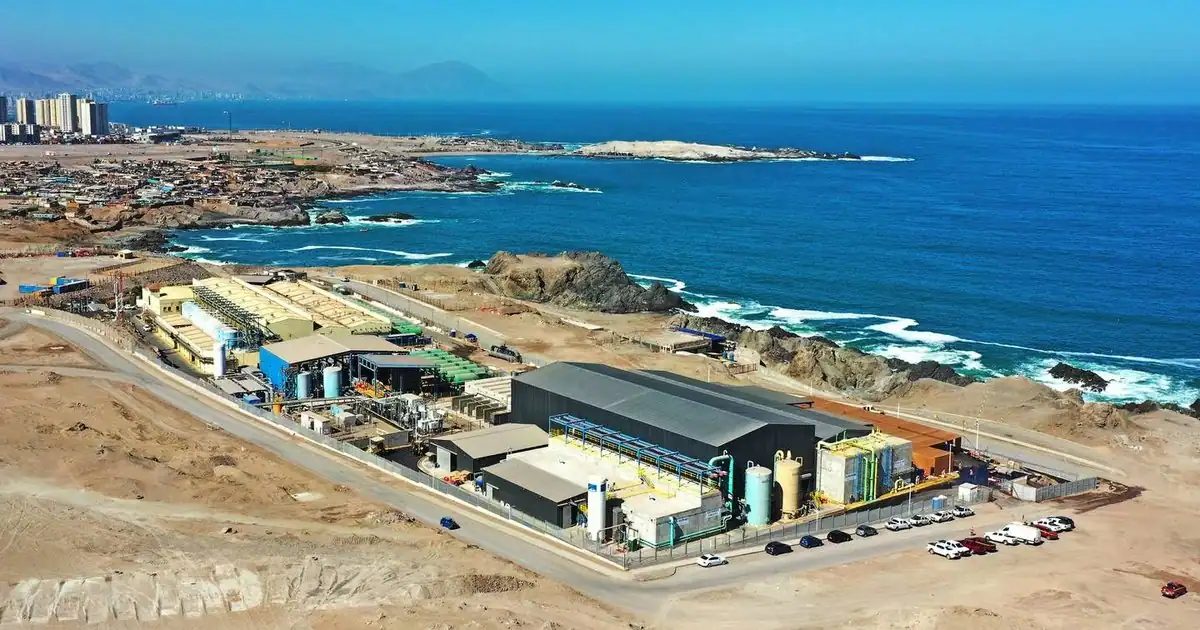
The package includes roughly a thousand kilometres of power lines valued at $1 billion to $1.3 billion, alongside the Puerto Coloso desalination plant, which could fetch $500 million to $700 million. The water facility is a critical piece of industrial infrastructure. Escondida now relies entirely on desalinated seawater, a capability BHP spent more than $4 billion developing across two plants to eliminate freshwater consumption.
Offloading these assets fits a strict capital allocation mandate to exit non-core businesses and funnel cash into copper and potash. The company has already shrunk its coal footprint, exited oil, and previously raised about $2 billion selling a stake in similar grid assets supporting its Australian iron ore operations. This Chilean transaction would extend a specific June plan to divest the power lines feeding its northern mines, serving as a direct template for the current process.
The proceeds would support a heavy copper investment cycle. Escondida recently posted its highest output in 17 years, and BHP has filed permits for a multibillion-dollar new concentrator at the site. The company and a partner also recently secured approval for the Vicuna copper district straddling Argentina and Chile, a project requiring tens of billions in capital. This expansion push aligns with Chilean government efforts to reverse a decade-long decline in the country's share of global copper production.
The likely buyers are utilities, specialist transmission companies, and pension or infrastructure funds. Infrastructure tied directly to a functioning mine offers an exceptionally rare proposition: guaranteed, long-term demand, because copper extraction cannot occur without power and water. The assets are also gaining structural value as freshwater scarcity forces Chilean mining companies to rely increasingly on desalination.