Iran defends Hormuz blockade as oil shipping remains suspended
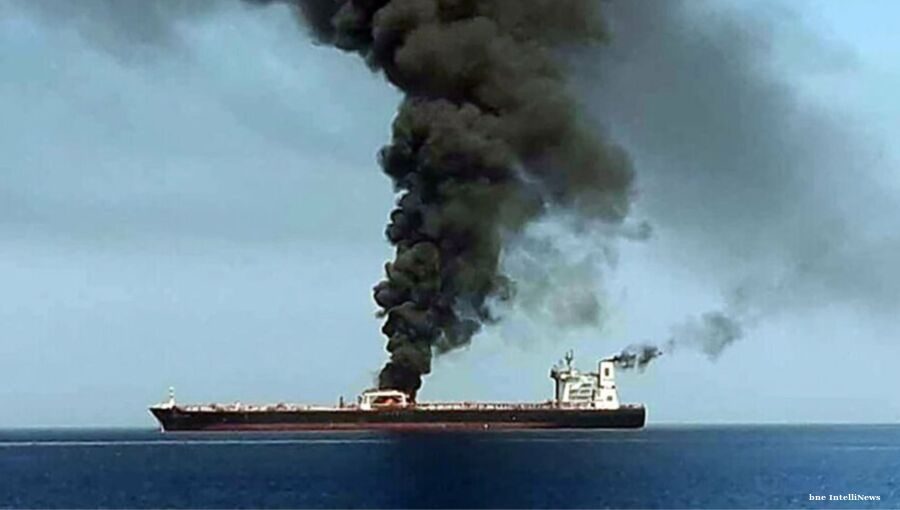
Iran has formalised its legal justification for shutting down the Strait of Hormuz, keeping a quarter of global seaborne oil trade trapped by an indefinite maritime blockade.
Iran’s foreign ministry has formally defended its naval blockade of the Strait of Hormuz and recent strikes on commercial tankers as lawful self-defence against US aggression. The August 1 statement coincided with the IRGC striking two additional tankers attempting to transit the area. Simultaneously, Iran's waterway authority announced it will issue no transit permits until US military operations cease entirely.
For global energy markets, the economic fallout is immediate and severe. The Strait of Hormuz normally handles about a quarter of the world's seaborne oil, but shipping through the waterway is now largely suspended. Recent weeks have seen multiple tankers hit and crew members killed, abruptly severing a critical artery for global crude supplies and threatening broader trade disruptions.
Tehran is attempting to establish a formal legal framework to justify the closure. The ministry cited UN General Assembly resolution 3314, arguing that continued US actions meet the international definition of aggression. It accused Washington of maintaining a "maritime siege of Iran's ports and shipping" alongside economic pressure and what it called unlawful threats. Iran contends these actions violate the ceasefire understanding reached on June 18.
Iran detailed specific incidents it claims triggered the current escalation, pinpointing the evening of July 8 as the start of a new round of US military aggression. The ministry alleged that between July 8 and July 27, US forces repeatedly misused commercial vessels to move military personnel and materiel. It specifically accused a CENTCOM warship of using a large gas tanker as cover to cross an unauthorised southern route. Tehran also highlighted a July 26 intervention by US Secretary of State Marco Rubio and statements from the Gulf Cooperation Council as further provocations.
The US military has firmly rejected Iran's assertion of control over the strait. Washington maintains its forces remain in the region strictly to ensure freedom of navigation and has responded with hundreds of strikes against Iranian targets in the south. With permits suspended and both sides dug into fundamentally opposing legal and military positions, the critical chokepoint remains closed to commercial traffic.