Apple shares fall 7.4% on weak forecast as memory costs bite
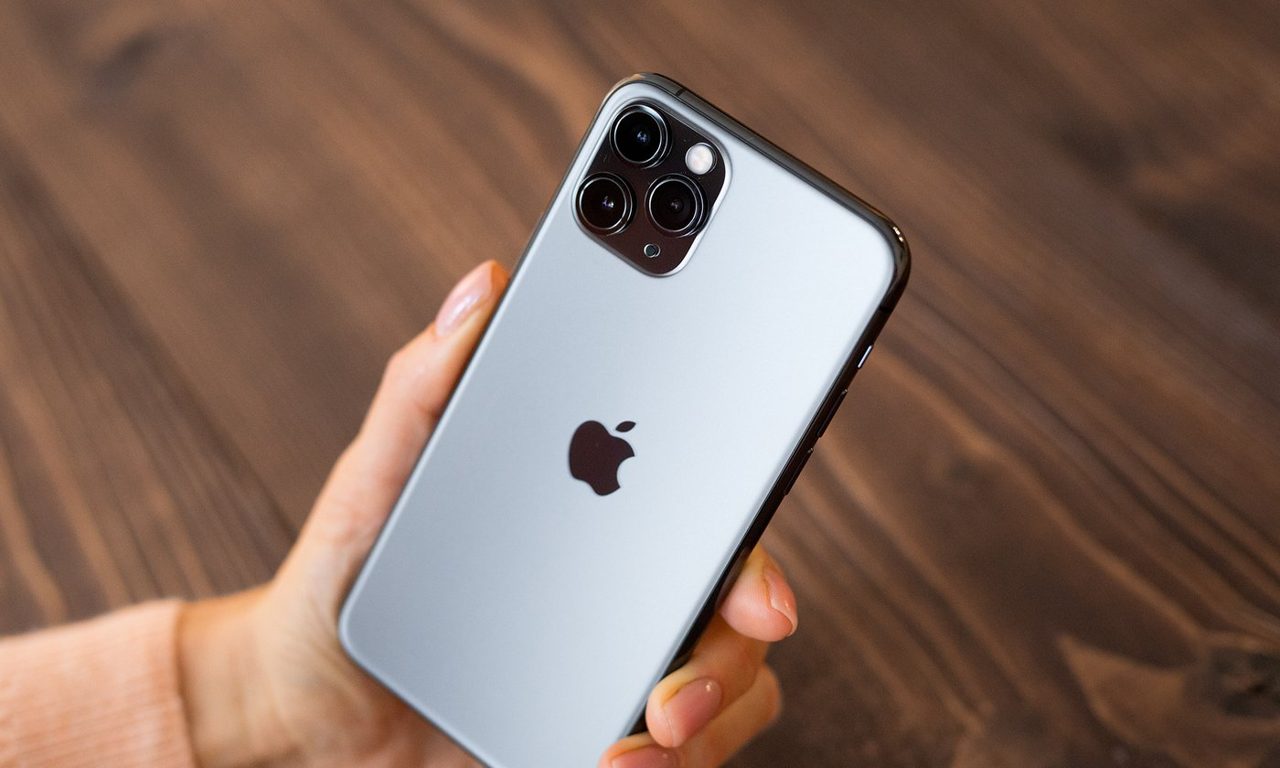
Apple posted a strong quarterly earnings beat, but its shares plummeted below a $5 trillion valuation after warning that surging memory chip prices will squeeze future margins.
Apple stock fell 7.4%, dragging the company out of the $5 trillion market capitalization club, despite a better-than-expected third-quarter earnings report. Revenue climbed 16% to $109.4 billion, narrowly beating the consensus estimate of $109 billion.
The underlying business demonstrated robust momentum across its major product categories and global markets. iPhone sales surged 22% to $54.3 billion, Mac revenue jumped 29%, and the company achieved double-digit top-line growth across all five of its operating regions.
Bottom-line profitability also appeared strong, with earnings per share reaching $2.02 compared to analyst expectations of $1.89. However, the reported 50.1% gross margin was artificially boosted by tariff refunds, which added two percentage points to the margin and 11 cents to the per-share earnings.
The sharp post-market sell-off was driven entirely by the company's forward-looking guidance. Apple projected fiscal fourth-quarter revenue of $111.7 billion to $113.7 billion, representing growth of just 9% to 11% and missing the Street's consensus of $115 billion.
Management pointed to foreign-exchange headwinds and specific supply constraints as the primary drags on the outlook. The most pressing issue is an ongoing shortage of memory chips, a problem that recently prompted Apple to raise iPhone prices to offset higher component costs.
CEO Tim Cook cautioned that memory pricing is expected to climb further in the September quarter and continue rising beyond that period. He warned the trend "could drive an increasing impact on our business," signaling that the supply chain disruptions are not yet peaked.
As a result, Apple guided for a September-quarter gross margin of 47% to 48%, effectively stalling margin expansion compared to the 47.2% reported a year ago. Forecasts from major memory suppliers like Micron suggest these elevated chip prices will persist well into next year.
For investors, the report dismantles a core narrative that had fueled Apple's recent breakout past the $5 trillion threshold. While the company had garnered praise for avoiding the hundreds of billions in AI infrastructure spending plaguing its big tech peers, it now faces a different margin squeeze from hardware costs.
If Apple cannot implement further price increases to keep pace with rising memory costs, it will be forced to absorb the hit to its profitability. The stock's decline reflects a market realization that even the world's largest company cannot entirely escape the pressures of a tightening component supply chain.