Solar costs jump 18% but stay cheapest as gas hits 15-year high
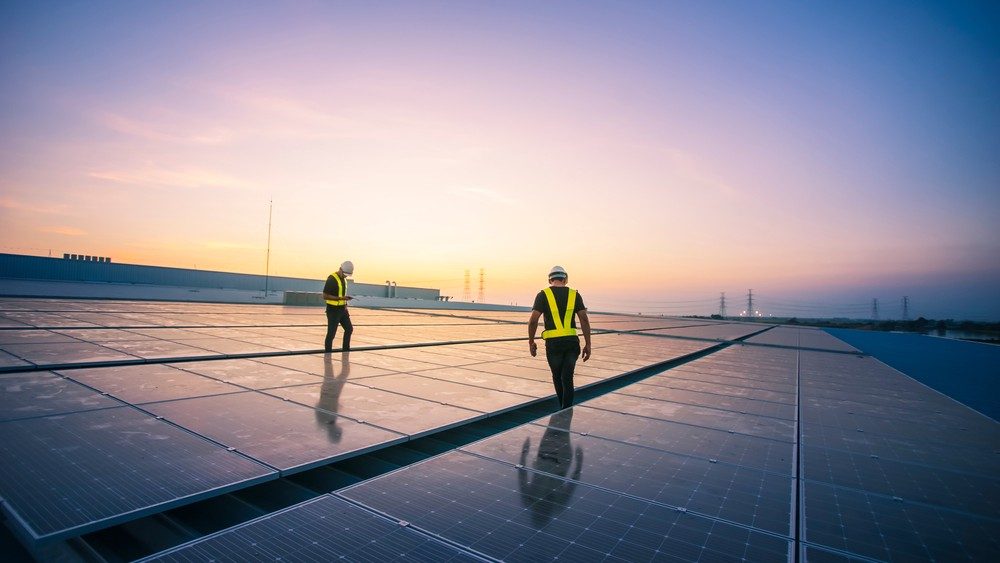
Rising capital costs and tariffs have pushed utility-scale solar prices up 18% and new gas plants to a 15-year high, complicating grid investments needed to meet surging AI-driven electricity demand.
The cost of building new power generation in the United States is rising across the board, with utility-scale solar increasing 18% and new natural gas plants hitting a 15-year price high. According to Lazard's Levelized Cost of Energy+ analysis, unsubsidized utility-scale solar now ranges between $40 and $98 per megawatt-hour. Concurrently, newly built combined-cycle gas turbine (CCGT) plants have surged to $48 to $107/MWh.
These escalating baseline expenses arrive at a critical juncture for utility executives and infrastructure investors. The rapid expansion of AI data centers and broader electrification are driving unprecedented electricity demand. To satisfy grid reliability requirements and back up intermittent renewable energy, utilities are actively proposing a new wave of gas-fired power plants, locking in higher capital expenditures just as power demand growth accelerates.
For the solar sector, the 18% price pressure stems from a confluence of macroeconomic headwinds and targeted trade policies. Higher interest rates and general supply chain pressures have increased the cost of capital. New U.S. levies on imported solar cells, batteries, and inverters, particularly equipment sourced from Asia, have directly elevated import expenses.
Compliance hurdles associated with the Foreign Entity of Concern (FEOC) rules have added further friction to the solar supply chain. On the commodity side, skyrocketing silver prices have severely impacted direct manufacturing costs, as the metal is a critical component in photovoltaic cells. Despite these acute pressures, solar firmly retains its position as the cheapest new-build generation technology globally, even when factoring in the firming costs required to manage its intermittent nature.
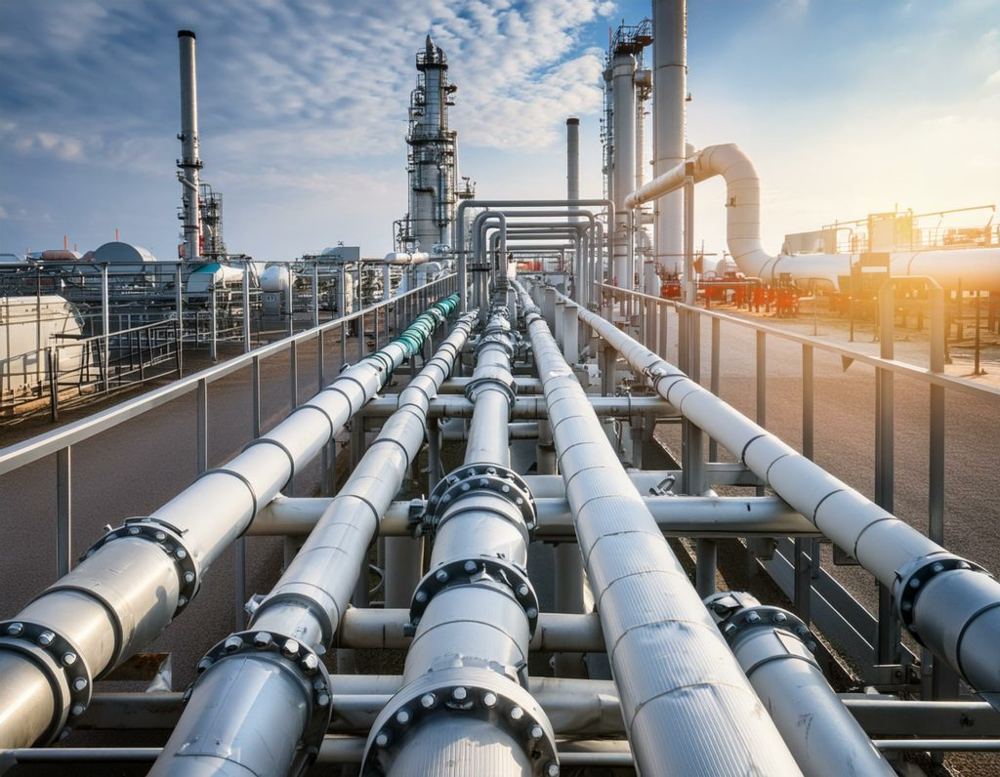
The natural gas sector is grappling with its own distinct structural bottlenecks. Severe turbine supply chain constraints and historically long equipment delivery timelines are compounding broader inflationary pressures. Elevated engineering, procurement, and construction (EPC) costs, paired with high interest rates, are actively depressing the financial returns of all thermal generation projects.
Onshore wind offers a rare counter-narrative for cost-conscious energy investors. Priced between $37 and $99/MWh, onshore wind frequently mirrors solar's lower-bound pricing. Over the past decade, capital costs for wind have nearly halved since 2010, driven by technological innovations and economies of scale.
Modern turbines utilize taller towers and longer blades to capture energy even in low-wind regions. Operators are also leveraging AI-driven monitoring, predictive maintenance, and more accurate weather forecasting to improve reliability and compress operating costs, providing a deflationary hedge against the inflation impacting other power sources.