SpaceX lockup expiry looms as Musk wealth halves
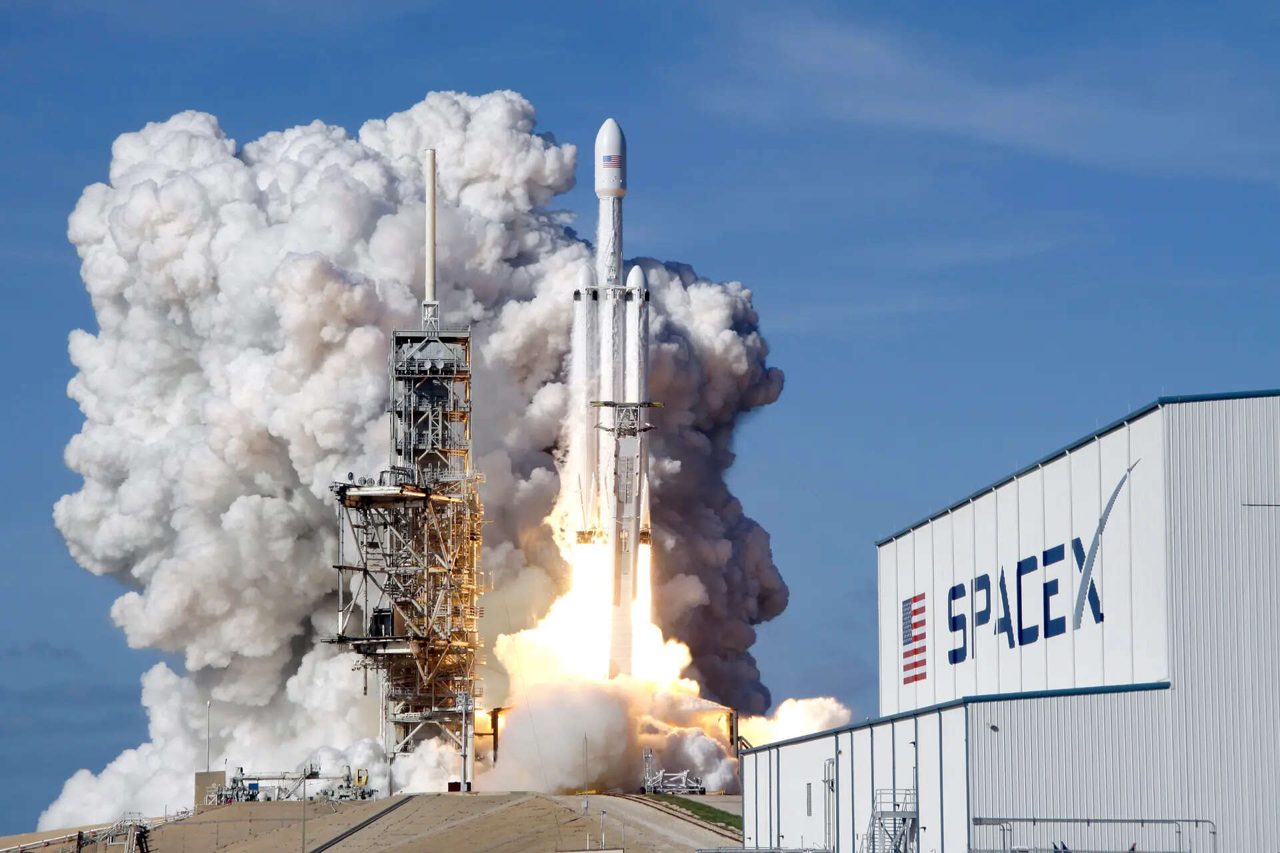
Elon Musk's net worth has fallen by over $600 billion due to a sharp sell-off in newly listed SpaceX shares and worsening profitability at Tesla, raising concerns about his capital-intensive AI pivot.
Elon Musk has seen his net worth plummet from roughly $1.33 trillion to $684 billion, marking a wealth erosion of over $600 billion. The primary driver is a 46% collapse in SpaceX shares from their lifetime high of nearly $202 in mid-June. The scale of the drop is larger than the entire net worth of any other billionaire globally, save for Musk's own peak valuation.
SpaceX debuted in June after raising $75 billion in the largest IPO in history. The stock initially traded at $150, an 11% premium to its $135 offering price, before surging more than 50% in just three sessions. It has since reversed course entirely, falling to a record low of $108.37.
Lockup expiry threatens further downside
Market professionals are now bracing for additional selling pressure. This month, lockup restrictions will expire on 911.5 million shares, freeing a massive block of stock for public trading. Such a significant increase in floating supply poses a clear risk of further price declines as early investors and insiders potentially move to liquidate positions.
The SpaceX selloff is not acting alone. Tesla shares have dropped 17% since the electric vehicle maker released its second-quarter results on July 22. The company missed profit estimates for the first time in over two years and posted negative free cash flow.
Capital-intensive pivot strains margins
Tesla's profitability decline stems directly from Musk's strategic shift away from its core auto business toward artificial intelligence. The company plans to spend more than $25 billion this year, nearly triple what it spent last year, on self-driving technology, robotaxis, and humanoid robots.
This aggressive capital deployment is already straining the balance sheet. Operating expenses have climbed due to AI investments, while average selling prices and regulatory credit revenue have declined, even as vehicle deliveries increased. For investors, the concurrent pressure on both SpaceX and Tesla highlights the severe financial risks embedded in funding Musk's sprawling technological ambitions.