Africa's Q1 exports jump 14% on metals, minerals
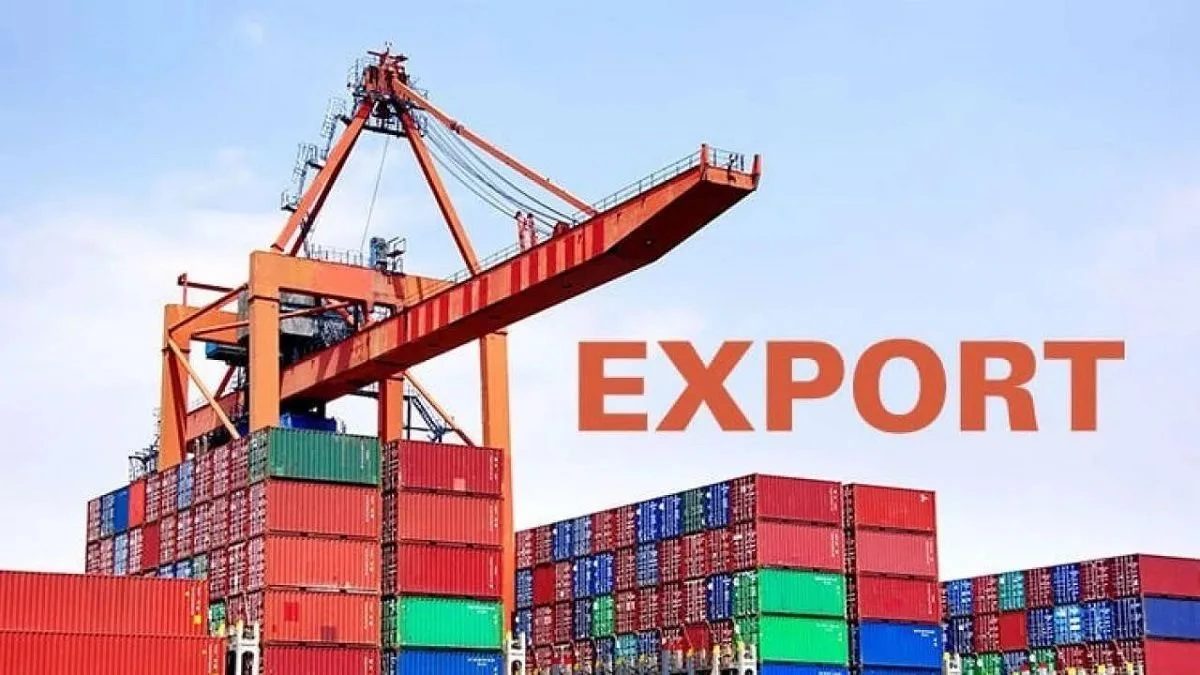
Africa's merchandise exports grew 14% in the first quarter of 2026, trailing only Asia, as soaring global demand for industrial metals reshapes the continent's trade profile.
Africa’s merchandise exports rose 14% year-on-year in the first quarter of 2026, marking the second-highest regional growth globally behind Asia’s 20% increase, according to a World Trade Organization report released Friday. “Africa saw the second-highest increase, with 14% growth, supported by exports of precious metals and gold, copper, fertilizers, and ores, among others, though cocoa and fuels exports declined,” the WTO noted. The performance ties Africa with South and Central America, even as the Middle East and CIS region saw exports contract by 1%.
The export boom aligns with broader global trends heavily favoring industrial inputs. Office and telecommunications equipment led all product categories with 44% global growth, while ores and minerals rose 27%. Prices for metals and minerals, excluding gold and silver, jumped 32%, making African resource exports significantly more valuable on global markets despite the localized drop in fuel shipments.
Africa’s merchandise imports also climbed 15% year-on-year, the highest cumulative increase of any region since the start of 2023. This import growth was heavily concentrated in vehicles, machinery and ships, while aircraft and organic chemicals declined. The data suggests capital expenditure is accelerating across the continent as nations build out mining and industrial infrastructure to support rising export capacities.
The divergence in regional performance highlights shifting global supply chains. While Africa and Asia expanded, North America recorded the steepest import decline globally at 7%. Among the top five global importers, the United States saw a sharp 13.6% drop, contrasting with strong gains in the European Union, China and the United Kingdom.
The WTO noted that despite a 2.5% quarter-on-quarter dip in African exports during the first quarter, a rebound is expected in the second quarter. Petroleum producers in Africa and South America are positioned to capture market share and fill supply gaps created by the ongoing conflict in the Middle East, where fuel prices have already risen 16% quarter-on-quarter.
Nigeria offers a ground-level view of this shifting trade dynamic. The country’s overall merchandise trade surplus surged to N7.55 trillion in the first quarter, a 340.88% increase from the previous quarter. Non-oil exports reached N3.19 trillion, accounting for roughly 15% of total exports, as the economy attempts to reduce its historical exposure to crude oil price shocks.
However, structural bottlenecks continue to limit the region's potential. A March survey by the Network of Practicing Non-Oil Exporters of Nigeria found that utilization of the African Continental Free Trade Area remains low. This indicates that despite strong external demand for African commodities, intra-continental trade agreements are not yet translating into broader economic integration.