ECB to probe nature risks as ecosystem decline hits bank credit
The European Central Bank will analyze how the destruction of natural ecosystem services translates into credit losses for eurozone banks, warning that the decline of nature poses a direct threat to financial stability.
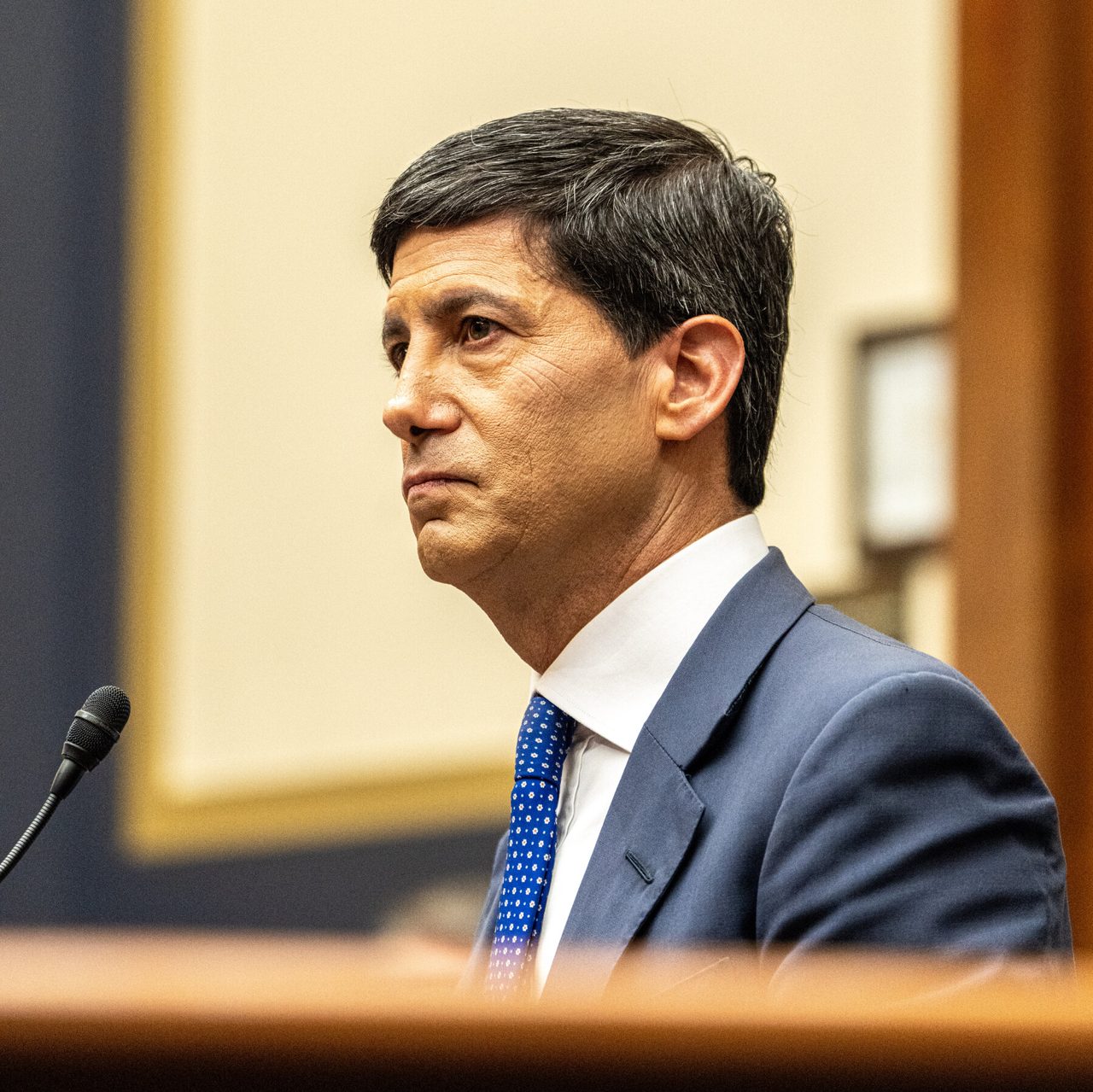
The European Central Bank is expanding its risk monitoring to include the degradation of natural ecosystems, warning that the destruction of these services threatens the foundation of the eurozone economy. Frank Elderson, an ECB executive board member, said the central bank is launching a targeted programme to assess how banks are exposed to the rapid decline of nature-dependent processes.
The move signals a regulatory shift from treating environmental threats as isolated weather events to viewing them as systemic economic dependencies. Later this year, the ECB will publish analysis mapping how "ecosystem degradation pathways" could drive credit loss dynamics for the bloc's largest lenders. For investors and bank executives, this means environmental breakdown is increasingly being framed as a direct driver of loan defaults and asset repricing, rather than a peripheral concern.
Ecosystem services encompass the natural structures that underpin commercial activity, such as water used for raw materials, hydropower generation, transportation, and marine habitats essential for food production. Elderson noted that mapping financial reliance on these systems is significantly more complex than calculating the physical damage from a localized flood or wildfire.
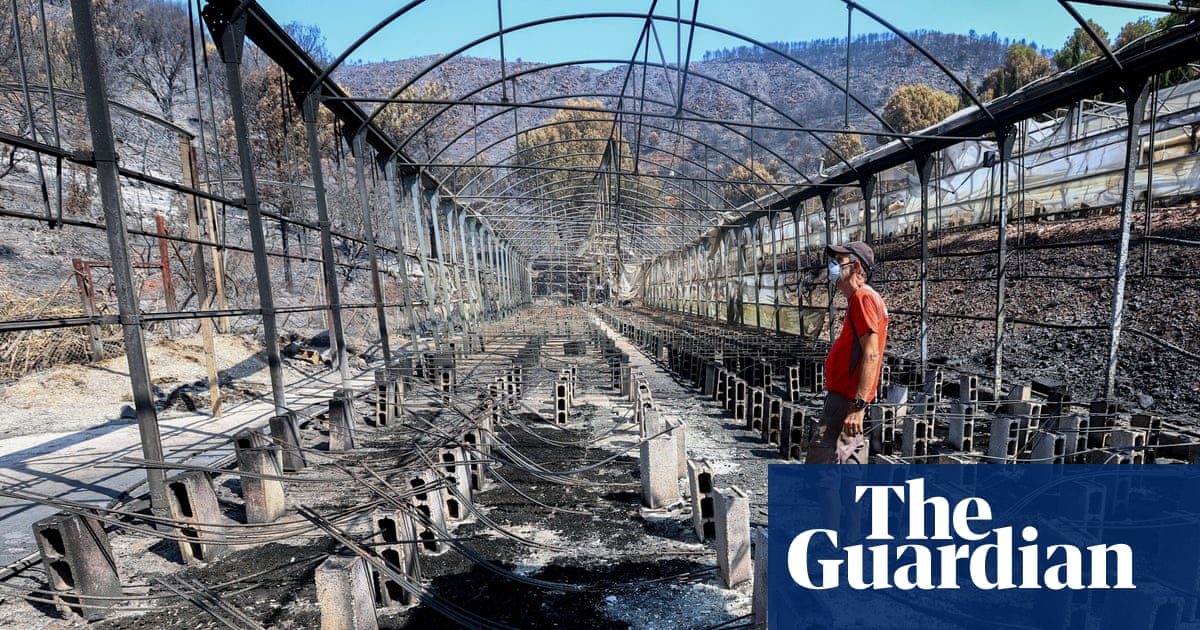
Record-breaking wildfires currently devastating France and Spain underscore the immediate economic costs of climate shifts. However, Elderson stressed that the gradual loss of underlying natural capital poses a broader challenge to price stability. “This is not some kind of a flower-power, tree-hugging exercise. This is core economics. This is core financial stability, core price stability,” he said.
European lenders have largely conceded that these vulnerabilities must be integrated into their risk frameworks. “I would think it’s very difficult to find a bank in Europe that will honestly tell you that they think this is not relevant,” Elderson said. “I think that time has passed.”
The regulatory focus contrasts with the United States, which withdrew from the Network for Greening the Financial System last year under the Trump administration. Elderson, who helped found the NGFS in 2017 alongside Mark Carney and François Villeroy de Galhau, now oversees a European regulatory agenda advancing without the involvement of the world's largest economy.