Ghana raises fuel price floors as Brent rally and cedi weakness bite
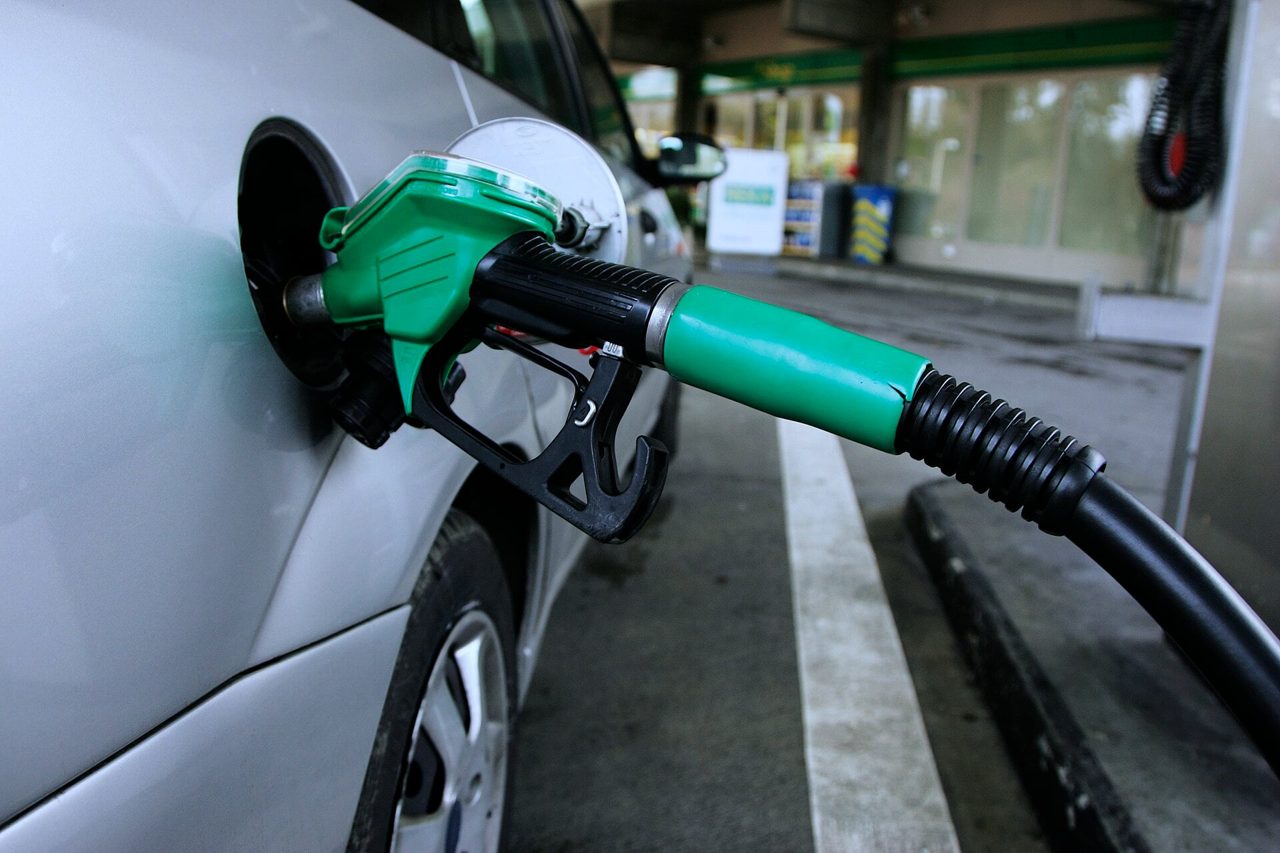
Ghana's decision to raise fuel price floors for August underscores the inflationary and fiscal risks facing frontier markets as a sharp rally in global crude coincides with local currency weakness.
Ghana’s National Petroleum Authority has increased the benchmark price floor for petrol to GH¢14.53 per litre from GH¢13.28, while diesel rose to GH¢16.97 from GH¢14.35. The new pricing takes effect on August 1, locking in higher costs for businesses and consumers.
Consumer group COPEC projects actual pump prices will average GH¢15.95 for petrol and GH¢19.45 for diesel, though exact figures will vary by retailer and region. The steeper absolute increase in diesel is particularly significant given its role in powering Ghana’s commercial transport fleet.
The price hike is driven by a convergence of external shocks during the August pricing window. Brent-linked crude surged roughly 23 per cent, climbing from $71.90 to $88.62 per barrel. At the same time, the Ghanaian cedi weakened against the US dollar, shifting from 11.50 to 11.66.
Because Ghana fully deregulated its petroleum pricing by 2015, these international cost pressures transmit directly to the pump without the buffer of state subsidies. This structural setup leaves the net fuel importer highly exposed to global commodity volatility and US-dollar strength.
For market participants, the fuel price surge signals immediate inflationary pressure. Higher transport and food distribution costs feed directly into the consumer price basket, threatening to erode household purchasing power. This dynamic complicates the broader economic outlook, as rising core inflation often forces central banks to maintain restrictive monetary policy, weighing on domestic credit and growth.
The government’s primary remaining lever is taxation. Authorities previously cut fuel taxes and levies earlier in 2026 to offset a crude spike tied to Middle East tensions. However, deploying this tool again would force a direct trade-off between curbing inflation and protecting state revenue.
The finance ministry and NPA now face a familiar dilemma for frontier economies at the mercy of global supply chains. Future pricing windows will hinge on whether the cedi stabilises and if the Brent rally cools. Until then, the higher costs are firmly embedded in the economy.