Record $402M MLB Draft Spend Fuels League's CBA Cost Push
A record $402.5 million in 2026 MLB Draft signing bonuses highlights surging talent costs driven by college NIL deals, setting the stage for a bitter labor clash over high school eligibility.
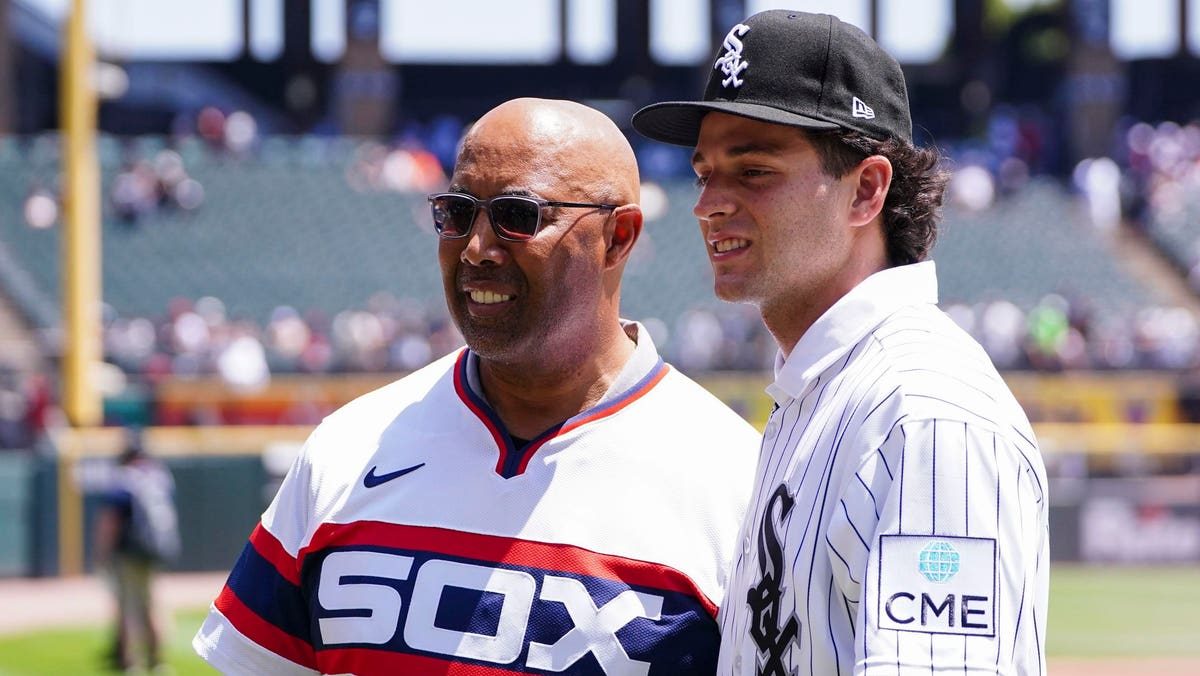
MLB franchises paid a record $402.48 million in signing bonuses to 572 players during the 2026 draft. The total spend represents a roughly $10 million increase over last year and a $28 million jump from 2024, pushing the average bonus to $703,638. The Chicago White Sox led all teams with a single-franchise record outlay of $21.15 million.
Despite the record aggregate spending, teams exhibited strict financial discipline to avoid MLB's penalty structure. Clubs that exceed their assigned bonus pools by up to 5% must pay a 75% tax on the overage, with larger breaches risking the loss of future draft picks. No team breached the 5% threshold, continuing a 15-year trend of mathematical precision in payroll management where only 23 of the 30 franchises went over their base limit.
The Atlanta Braves demonstrated how teams actively manage capital within these constraints to target specific assets. The franchise saved $653,000 by paying three late-round picks just $500 each and signing top choice AJ Gracia for $2.68 million below his assigned slot value. Atlanta redirected that capital to third-round pick Jensen Hirschkorn, paying the prep pitcher a post-second-round record of $3,997,500.
The escalating costs are directly tied to the changing economics of amateur sports. College athletes can now earn compensation through name, image, and likeness agreements, creating an alternative market that forces MLB teams to bid higher to secure talent. Aiden Knaak, a college pitcher selected by the Milwaukee Brewers, rejected a $425,400 slot value to return to Clemson, a decision likely influenced by NIL earnings.
This inflation has prompted MLB owners to propose eliminating high school players from the draft entirely in preliminary collective bargaining agreement negotiations. The current CBA expires on December 1. High school players commanded a significantly higher average bonus of nearly $1.5 million this year compared to roughly $539,000 for college players, reflecting the premium placed on younger, riskier talent.
The players' union has firmly rejected the cost-control measure. "MLB made another set of proposals that are flat-out bad for baseball, ones that would cripple the next generation of players and damage the future of our game," said Bruce Meyer, interim executive director of the Major League Baseball Players Association. The outcome of this dispute will dictate the future asset valuation model for the sport.