Strait of Hormuz attacks push oil up 5% amid failed diplomacy
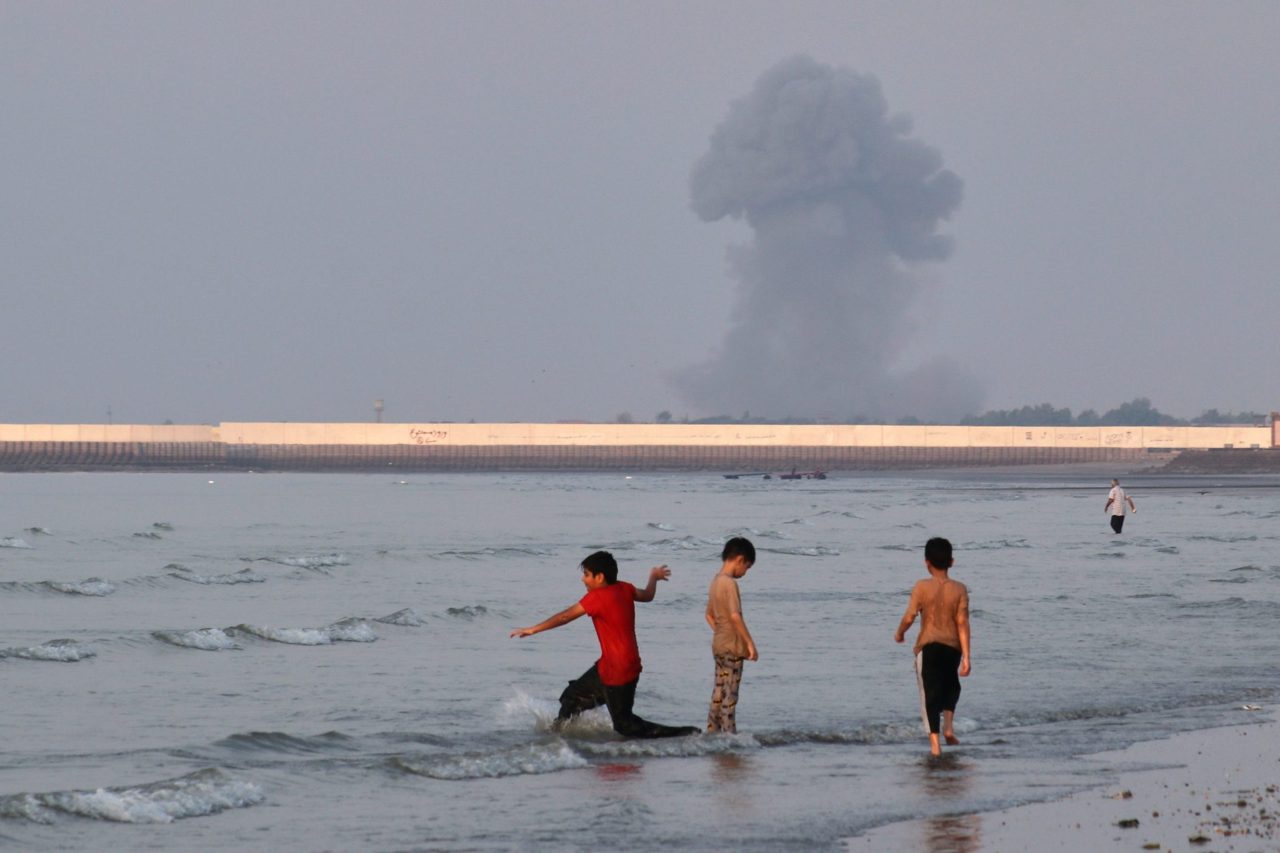
Escalating military strikes between the U.S. and Iran over control of the Strait of Hormuz have stalled critical energy shipping routes and threaten to derail fragile peace negotiations.
The U.S. and Iran traded heavy military strikes over the weekend in a direct dispute over control of the Strait of Hormuz, the critical waterway for global oil and gas transit. “We bombed the hell out of them last night,” U.S. President Donald Trump told NBC’s “Meet the Press,” after the U.S. hit roughly 140 Iranian targets on Sunday. Iran retaliated by attacking a container ship in the strait and firing missiles at several Gulf Arab states hosting U.S. forces.
Energy markets reacted sharply to the threat of a supply disruption, with U.S. benchmark crude jumping nearly 5% on Monday before retreating to trade around $72.92 a barrel. Prices remain well below the nearly $120 peak seen earlier in the conflict, suggesting traders still expect some oil to flow. However, the sudden price spike highlights the persistent vulnerability of global energy supply chains to the escalating conflict.
The physical flow of trade is already contracting. Traffic along a new U.S.-backed route hugging the Oman coastline dropped “to minimal levels” over the weekend, according to ship-tracking firm MarineTraffic.com. Operators are prioritizing perceived security over direct transit options as Iran repeatedly attacks ships using the alternate corridor to bypass Iranian territorial waters.
The fighting effectively collapses a 60-day window established last month for negotiating a permanent end to the war and an agreement on Iran’s nuclear program. Iran insists an interim peace deal grants it the right to manage strait traffic and collect fees. “The Strait of Hormuz is our territory, and we will not allow a rogue and child-killing army from the other side of the world to continue its illegal interference in it,” Iran's Revolutionary Guard said.
Top diplomats warned of broader economic fallout from a prolonged closure. UN Secretary-General António Guterres said a return to full-scale hostilities would have “catastrophic consequences,” while EU diplomat Kaja Kallas stressed that freedom of navigation must be respected. Mediators from Pakistan, Qatar and Egypt continue to push for de-escalation, but Iran's new supreme leader has vowed to avenge his father's killing, and Tehran has refused access to international nuclear inspectors.