Chodai pitches Nigeria smart city PPP amid 17m housing deficit
Japan's Chodai Company has proposed a multi-sector public-private partnership to Nigeria's government, signaling growing foreign appetite to finance the country's massive infrastructure deficit through non-sovereign structures.
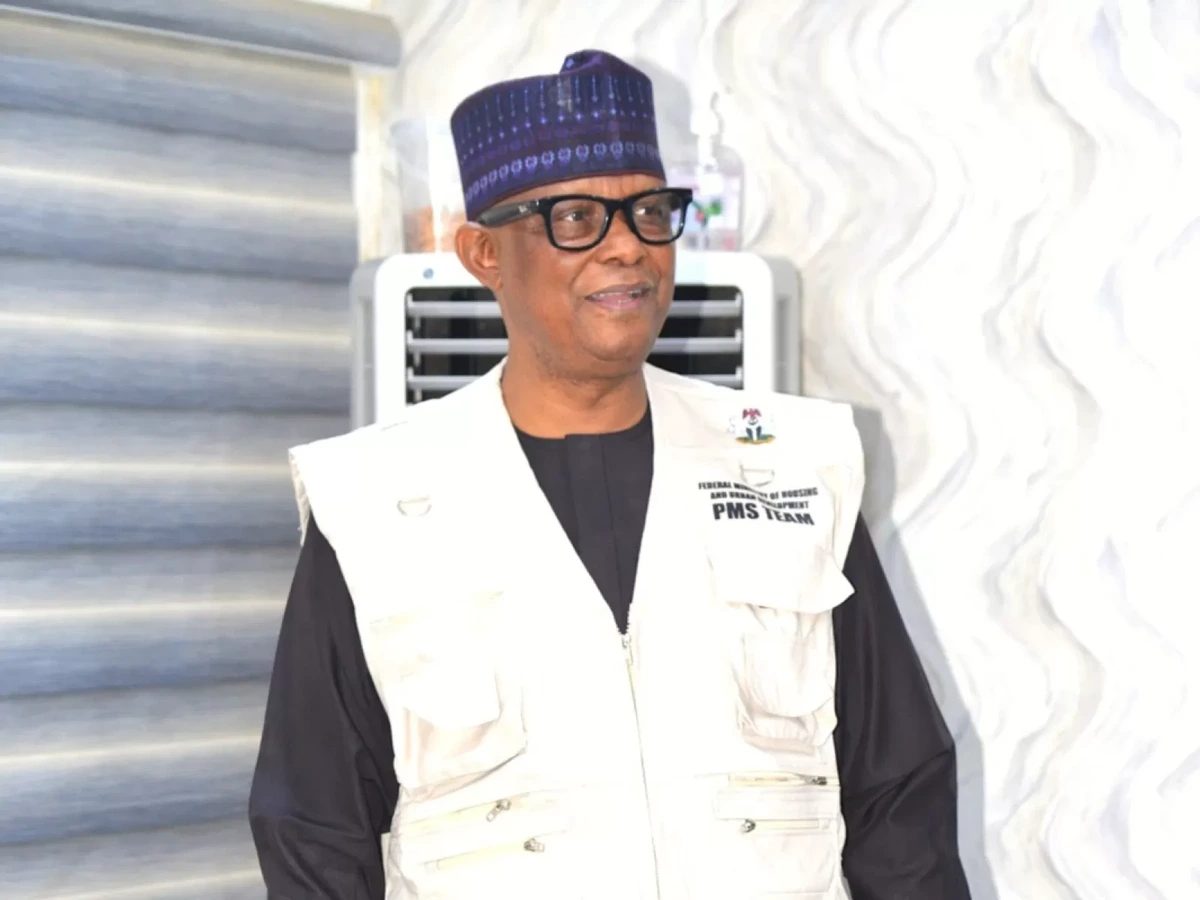
Chodai Company Limited has proposed a wide-ranging public-private partnership with the Nigerian government to develop smart cities, housing, and renewable energy infrastructure. The Tokyo-based engineering consultancy outlined the plan during a meeting with Housing Minister Muttaqha Rabe Darma, facilitated by the Nigerian Investment Promotion Commission.
The proposal extends beyond residential construction to include roads, hydropower generation, and urban development. Chodai, which already implements development projects in Nigeria's Niger State, is positioning itself to deliver complex, integrated infrastructure across the country.
“Smart City development through Public-Private Partnerships (PPP) remains one of CHODAI’s strategic priorities,” said Motoko Imai, who led the Japanese delegation. “Accordingly, she stated that their proposal to the Ministry focuses on collaboration in the development of roads, housing infrastructure, hydropower generation, renewable energy, and other strategic projects that will support Nigeria’s urban development aspirations.”
The overture targets an estimated 17 million-unit housing deficit. Minister Darma framed the collaboration as essential to the government's Renewed Hope Agenda, specifically a Social Housing Programme designed to span all 774 local government areas. The initiative reserves a dedicated percentage of units for vulnerable women and children, as well as populations displaced by flooding or insecurity.
Chodai’s pitch reflects a broader trend of foreign engineering firms targeting Nigeria’s infrastructure gap through alternative financing, reducing reliance on strained state coffers. In July, China Hyway Group Limited proposed building 10,000 housing units within 30 months using an Engineering, Procurement, Construction and Financing (EPC+F) model. That framework bundles design, funding, and construction into a single structure to mitigate risk and accelerate delivery.
To support these private-sector plays and absorb the resulting supply, the Federal Mortgage Bank of Nigeria is implementing structural reforms aimed at improving end-buyer liquidity. The government has raised the mortgage loan ceiling to N85 million and set a target of facilitating at least 2,000 mortgages annually. Contributors to the National Housing Fund can now also access up to 25% of their Retirement Savings Accounts as equity for homeownership, a policy shift designed to make large-scale housing projects financially viable.
Darma specifically encouraged Chodai to consider developing a local government area near the Federal Capital Territory. Such a project would target demand from the dense Abuja metropolitan area, anchoring the proposed investment in Nigeria's most economically active corridor.