Nigeria freezes power tariffs despite N3.3tn debt plan
Nigeria's government has ruled out an immediate electricity tariff increase as generation steadies above 5,000MW, though the freeze raises fresh questions about the financial sustainability of the sector's multi-trillion naira debt resolution plan.
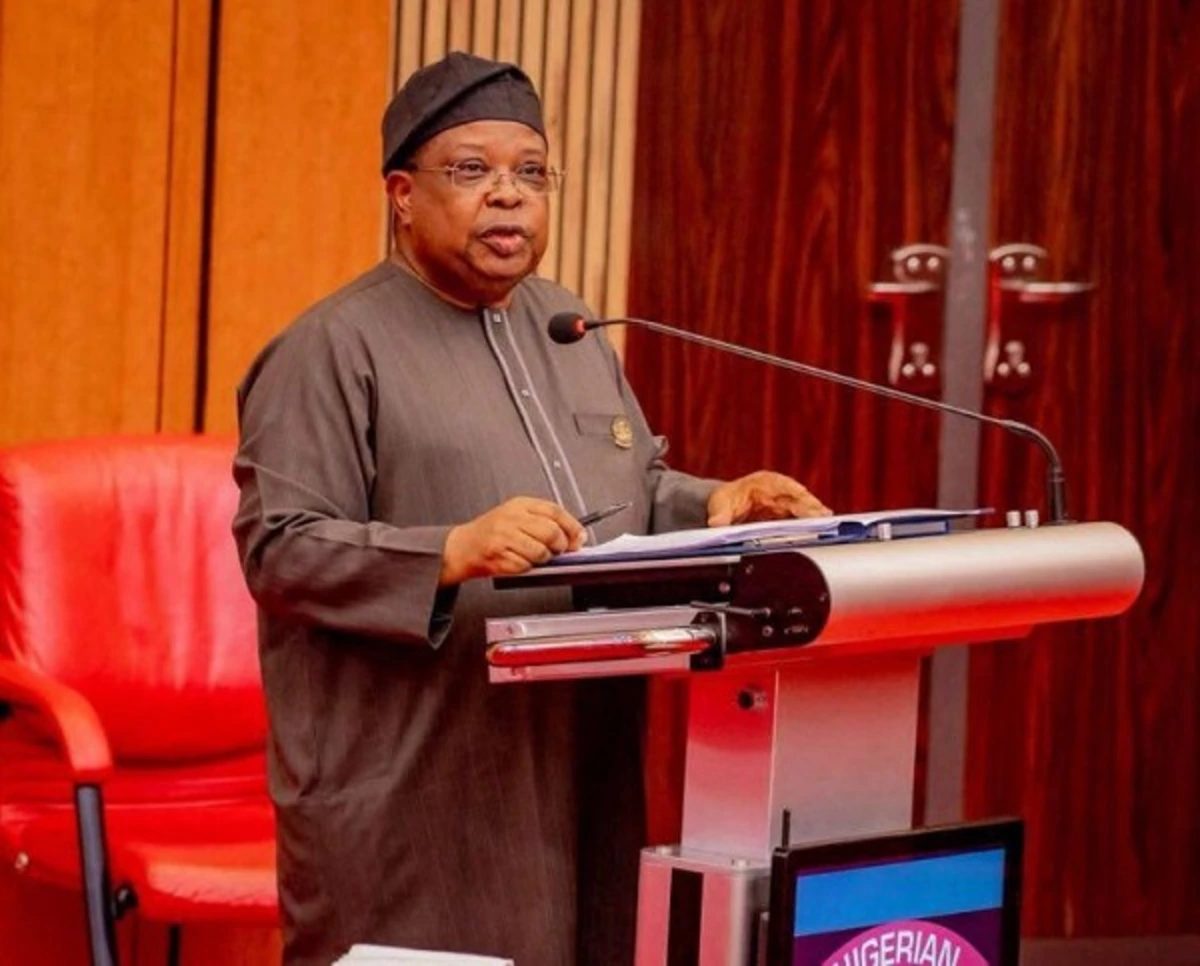
The Federal Government will not increase electricity tariffs in the near term, Power Minister Joseph Olasunhanmi Tegbe announced on Friday, pointing to a two-week stretch where national generation has consistently exceeded 5,000 megawatts.
For investors and operators, the tariff freeze presents a mixed signal. While improved generation capacity suggests operational progress, keeping consumer rates flat relies heavily on continued state subsidies and complex debt restructuring to keep generating companies and gas suppliers solvent.
The government is attempting to clear legacy arrears through bond issuances rather than immediate cash. In January, Abuja issued an inaugural N501 billion bond under its debt reduction programme, followed by a second tranche of roughly N729 billion announced on July 20 to settle verified GenCo debts.
These tranches are part of a broader N3.3 trillion payment plan approved by President Bola Tinubu in April. However, a framework outlined last October for a separate N4 trillion government-backed bond drew criticism from sector stakeholders wary of a debt-for-debt strategy. GenCos have also pushed back, rejecting claims that N2.8 trillion would serve as a final settlement.
Tegbe framed the government's strategy as a push for long-term stability. "To make electricity more available, make the grid more reliable, make the market financially sustainable and restore investor confidence," he said.
Closing the metering gap
Alongside grid stability, the government is prioritizing billing transparency to reduce revenue shortfalls. Through the Presidential Metering Initiative, the ministry deployed a new workforce of 5,000 youths to accelerate meter installations nationwide.
The fiscal burden of frozen tariffs is being managed at the highest levels. In February, President Tinubu directed government agencies to use existing sector laws to distribute power subsidy costs across federal, state, and local budgets for 2026.
"This administration has also prioritised investment in transmission infrastructure, expanded rural electrification, strengthened institutional coordination across the electricity value chain, and continued to pursue reforms that encourage private capital while preserving the public interest," Tegbe noted.