Situational Awareness AI Fund Collapses to $10bn on Margin Calls
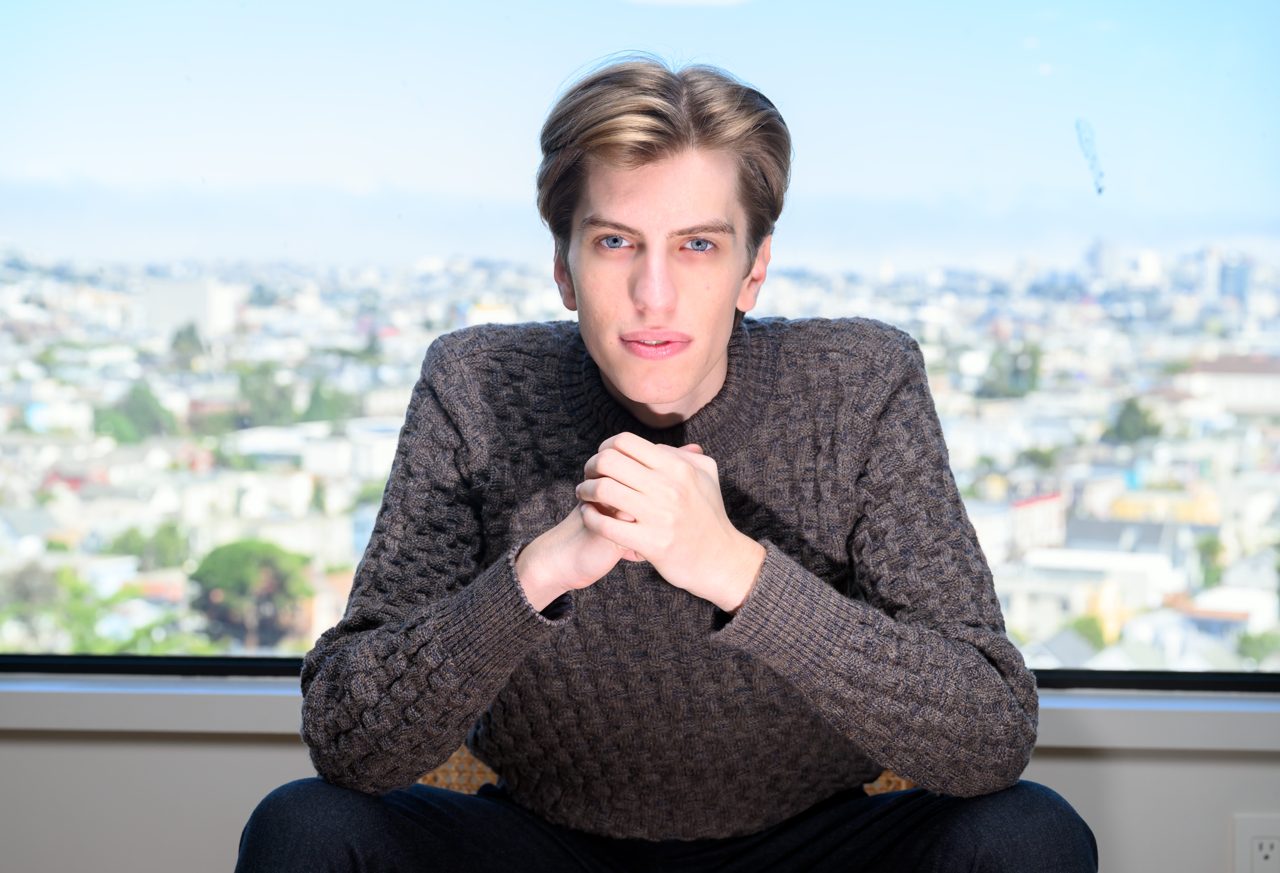
Leopold Aschenbrenner’s leveraged AI hedge fund saw its assets plunge from $45 billion to $10 billion in days, underscoring the severe risks of concentrated, highly leveraged tech bets during a semiconductor selloff.
The hedge fund Situational Awareness has seen its assets plummet from $45 billion to roughly $10 billion this week after a wave of margin calls forced the liquidation of its leveraged public equity positions. The fund, run by 24-year-old former OpenAI researcher Leopold Aschenbrenner, sold its hard-hit semiconductor bets to Ken Griffin's Citadel at a steep discount.
The rapid unwinding was triggered by a sharp selloff in chip stocks that exposed the fund’s highly aggressive capital structure. Situational Awareness had built its massive public book using reported leverage of up to 400 percent. This extreme borrowing left the fund defenseless when margin calls arrived on tumbling positions in AI-adjacent names like SK Hynix and CoreWeave.
For market professionals, the collapse is a stark reminder that conviction-driven technology trades carry severe tail risks when divorced from institutional risk management. Despite generating staggering returns of more than 1,000 percent since its July 2024 inception, the fund’s concentrated, leveraged structure ultimately proved too fragile to withstand a routine market correction.
Aschenbrenner entered the financial arena with no prior money management experience. He raised $225 million in seed capital from prominent technology figures, including Stripe co-founders Patrick and John Collison, former GitHub CEO Nat Friedman, and investor Daniel Gross. He leveraged a viral 165-page essay on artificial superintelligence to rapidly attract capital and scale his assets to tens of billions.
His professional background was rooted in technology rather than finance. Before a brief stint at OpenAI, where he was fired in 2024 over allegations of improperly sharing confidential information, Aschenbrenner worked at the Future Fund. That philanthropic arm was tied to the now-collapsed crypto exchange FTX.
Wall Street veterans viewed the fund's explosive growth with deep skepticism due to its leverage and the founder's lack of trading pedigree. "A lot of people saw this blow-up as a matter of not if, but when," said Jerry Diao, who runs a Wall Street coaching firm. "Maybe his views on AI are correct in the long run, but in the public markets, you have to be prepared for the short-term."
Before the Citadel transaction, roughly two-thirds of the fund's portfolio was tied up in public equities. The remaining third consists of private company stakes, anchored by a multibillion-dollar investment in AI startup Anthropic. While that private book remains intact, the destruction of the leveraged public portfolio abruptly halts a remarkable run for a manager who once warned investors that "we are in for a wild ride."