Africa CEO Forum pushes shared ownership to unlock $4trn
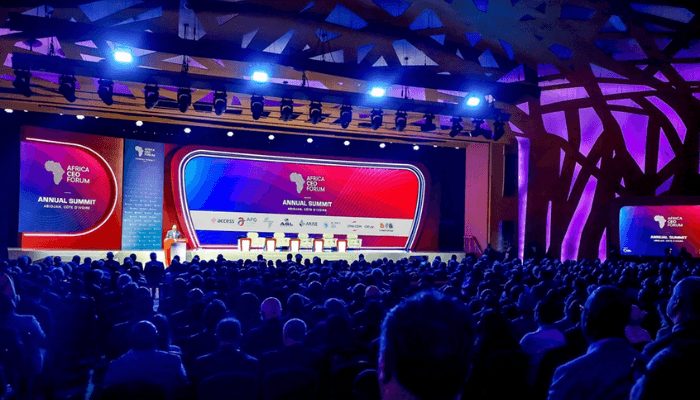
Business leaders at the Africa CEO Forum agreed that cross-border integration and shared equity models are essential to attract capital and compete globally.
Executives and policymakers at the 2026 Africa CEO Forum in Kigali converged on a new strategy for the continent’s growth: shared ownership. The consensus marks a deliberate shift away from isolated national champions toward continental platforms built on shared equity, infrastructure, and regulations.
The economic rationale for this pivot is straightforward. Africa’s combined GDP sits at roughly $3 trillion, but fragmented across 54 separate markets, the continent lacks the scale to compete with unified trading blocs like the EU or ASEAN. According to PwC, building shared cross-border corridors in energy and digital trade could unlock an additional $3 trillion to $4 trillion by 2035.
To capture this value, the forum emphasised the need to nurture regional companies capable of operating seamlessly across multiple jurisdictions. Business leaders argued that collective bargaining under a unified framework strengthens Africa’s negotiating position with multinational corporations, ensuring better terms. Shared infrastructure, particularly transport corridors and digital payment rails, was highlighted as critical to reducing duplication and pooling risk for investors.
Targeted growth engines
Discussions identified three primary corridors for cross-border investment and development. These include converting critical minerals like cobalt and lithium into domestic battery and digital supply chains, leveraging solar, wind, and hydro power for green industrialisation, and establishing regional pharmaceutical hubs to serve rising demographic demand.
Implications for capital
For investors, the core message is that capital will increasingly favour integrated African markets over single-country plays. The demographic dividend and rapid digital adoption rates make cross-border scale the only viable path to sustainable returns. The African Continental Free Trade Area (AfCFTA), which creates a unified market of 1.4 billion people, provides the institutional backbone for this transition.
However, execution remains the primary hurdle for market professionals to watch. Policymakers were urged to harmonise national regulations and align local industrial policies with AfCFTA priorities. Without this regulatory alignment and a firm move away from protectionism, Africa risks remaining a fragmented patchwork of small markets unable to capture value in global supply chains.