Vale Q2 Profit Drops 35% on Currency Derivatives Despite Revenue Growth
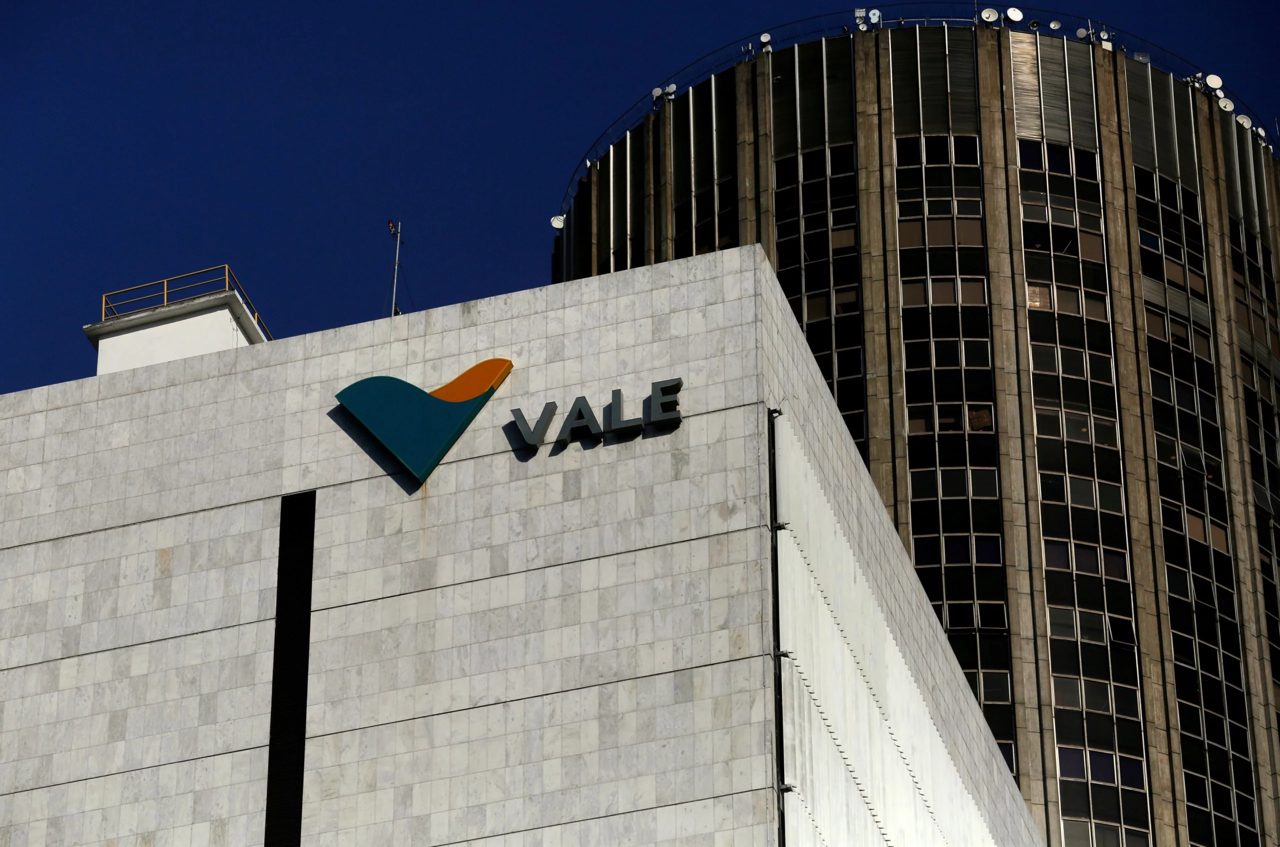
Brazilian mining giant Vale reported a 35 percent drop in second-quarter net income driven by currency-related derivative losses, highlighting the volatility foreign investors face even as underlying operations and base metal production improve.
Vale reported a 35 percent year-on-year decline in second-quarter net income to US$1.37 billion, missing the US$1.84 billion consensus estimate compiled by LSEG analysts. The mining giant attributed the shortfall primarily to a US$798 million negative swing in derivatives results rather than any operational deterioration.
This paper loss stemmed from a stronger Brazilian real, which altered the mark-to-market value of the company’s financial hedges. For international shareholders, the episode underscores how currency volatility can distort quarterly earnings even when core mining and logistics activities remain robust.
Contrary to some early market reports, net operating revenue did not jump 19 percent. Top-line growth actually reached 6.4 percent year-on-year to approximately US$10.5 billion, while the 19 percent surge cited in local media referred exclusively to pro-forma EBITDA.
Standard adjusted EBITDA, which accounts for provisions related to the 2019 Brumadinho tailings dam disaster, rose roughly 9 percent to US$3.67 billion. These ongoing obligations continue to represent a long-term financial overhang as the company gradually reduces its dam de-characterisation costs.
Beneath the accounting noise, Vale’s product mix is shifting favorably. Surging copper and nickel results helped offset softer iron ore prices and volumes, prompting the company to raise production guidance for both base metals.
This base metals push aligns with global energy transition demand and reflects confidence in the ramp-up of operations in Canada and Indonesia. Meanwhile, Vale commissioned a 20 million-tonne-per-year expansion at its Serra Sul mine in northern Brazil, adding high-grade, low-cost iron ore capacity to serve Chinese steel mills.
Demonstrating confidence in its underlying cash generation, Vale’s board approved R$8.64 billion, or about US$1.6 billion, in shareholder remuneration through dividends and interest on capital. Management also authorized a share buyback program for up to 100 million shares, signaling that it views the stock as undervalued.
Wall Street reaction remained divided following the release. Goldman Sachs downgraded the stock shortly after the earnings report, pointing to a cautious outlook for iron ore prices and a lack of near-term catalysts.
Conversely, other market observers emphasized that the derivatives hit is non-cash and could reverse if the real weakens. They view the upgraded copper and nickel guidance as a genuine positive for the company’s medium-term investment case.
Moving forward, foreign investors must monitor the tension between Vale’s diversifying base-metals narrative and the cyclical pressure on iron ore, which still generates the majority of its free cash flow. Tracking the integration of its Canadian and Indonesian assets will be critical to validating this strategic pivot.