Nigeria’s Bauchi State Secures $91.6 Million ECOWAS Bank Infrastructure Loan
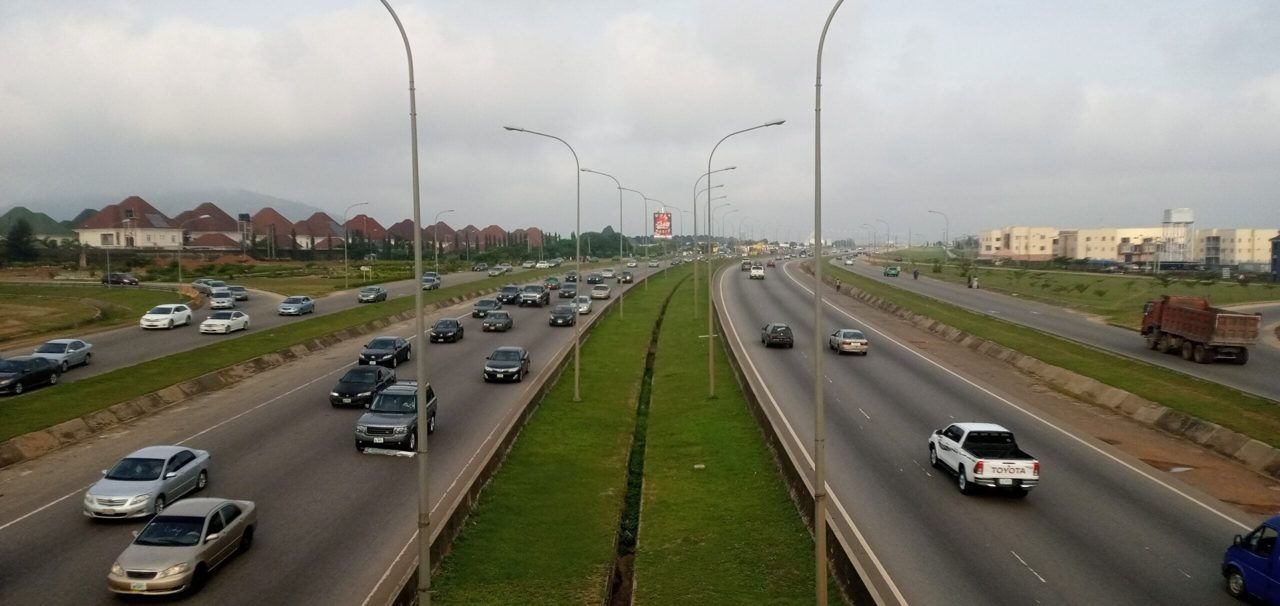
Bauchi State has secured a $91.6 million loan from the ECOWAS Bank for Investment and Development to fund 24 road and bridge projects, signaling a shift toward regional financing for sub-national infrastructure backed by federal guarantees.
Nigeria’s Bauchi State has secured a $91.6 million loan from the ECOWAS Bank for Investment and Development (EBID) to fund its Transport Infrastructure Financing Programme. The facility, signed in Lomé, Togo, following 18 months of negotiations, will finance the construction and rehabilitation of 24 strategic road and bridge projects across the state.
Governor Bala Abdulkadir Mohammed specified that the funding will target key corridors, including the Mararraban Liman Katagum, Bununu, Soro, Miya, and Gumau, Kaduna border roads. The package also allocates capital for urban renewal, specifically upgrading roads within the Government Reserved Area and bridges across the Bauchi metropolis.
Valued at approximately ₦125 billion, the loan represents about 14 percent of Bauchi’s total ₦877 billion budget for 2026 and roughly 22 percent of its ₦568 billion capital spending envelope. Because of this scale relative to the state’s finances, the borrowing required a federal sovereign guarantee, effectively making Abuja the backstop for repayment.
A Shift in Sub-National Financing
This arrangement highlights a growing trend of Nigerian state governors acting as quasi-foreign policy actors by courting external financiers directly. However, their reliance on federal guarantees underscores the continued centralization of credit risk within Nigeria’s financial system.
For EBID, the Bauchi deal reinforces its expanding footprint in West African infrastructure. The bank’s commitments grew from $268 million in 2022 to a targeted $500 million by the end of 2025, with Nigeria emerging as a primary beneficiary.
In March 2026 alone, EBID approved $266.7 million across five countries, with Nigeria securing over $241 million for three projects. By July 2026, the bank approved an additional $417 million, including a $260 million allocation for a 123-kilometre section of the Trans-Saharan Highway.
Debt Sustainability and Strategic Positioning
The EBID facility offers Bauchi a regional alternative to traditional global lenders like the World Bank, which recently backed Nigeria with a $1.25 billion package, or Chinese financiers, who have funded around 40 development projects in the country since 2015. EBID’s 2026-2030 strategy prioritizes climate-compatible infrastructure and intra-regional trade, potentially offering terms with greater political alignment.
Bauchi is simultaneously diversifying its capital sources beyond road infrastructure. The state has announced a partnership with a Saudi investment firm targeting mining and agro-industry, and was recently selected for the African Development Bank’s $1.5 billion Special Agro-Industrial Processing Zones Project.
For market analysts, the Bauchi transaction serves as a critical test case for sub-national borrowing in Nigeria. It will demonstrate whether regional development banks can effectively underwrite local infrastructure in a federal system where the central government remains the ultimate gatekeeper of debt sustainability.