IFC LSE listing opens Tanzanian shilling funding route
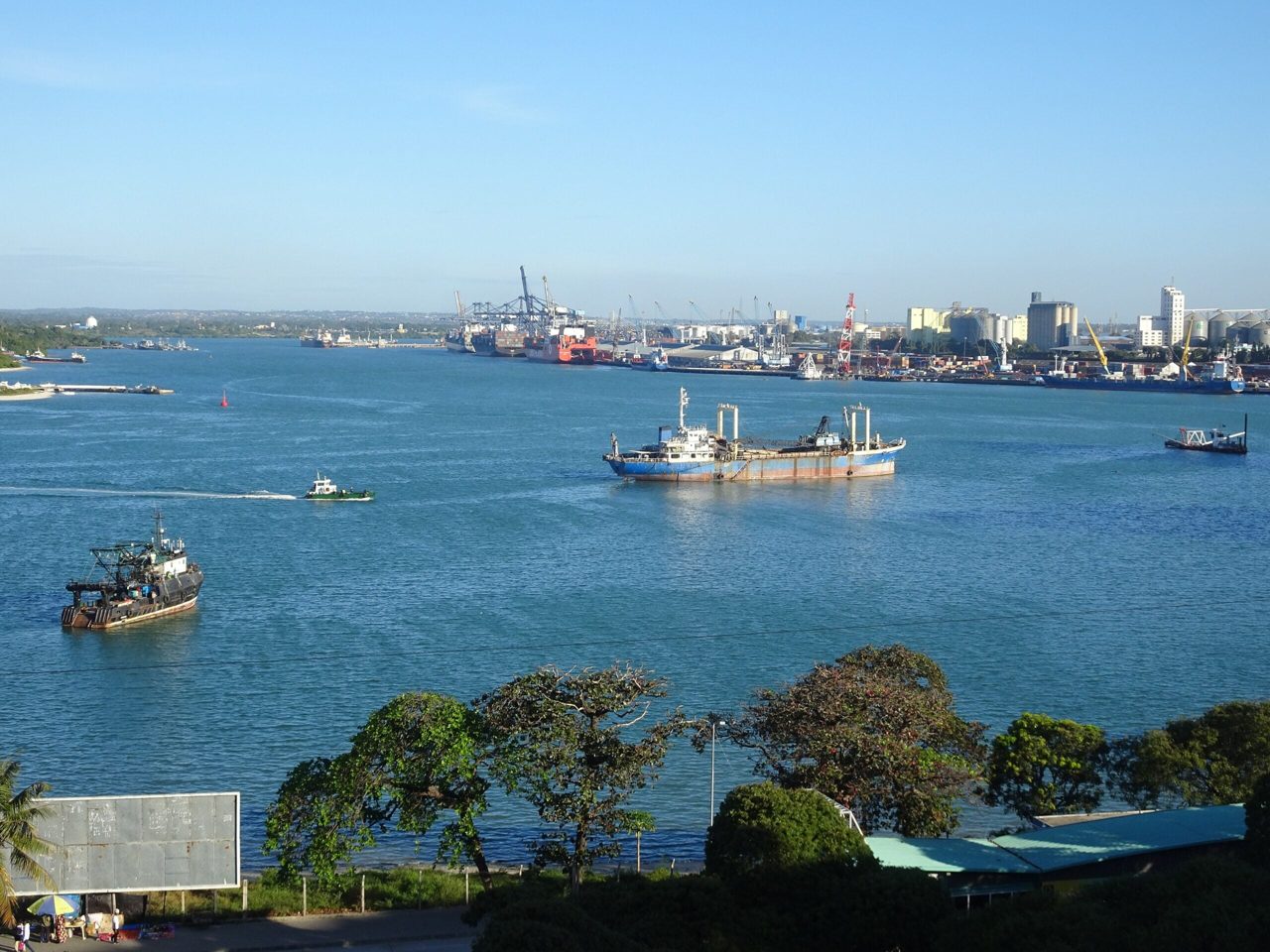
The International Finance Corporation has listed the first Tanzanian shilling bond on the London Stock Exchange, establishing a blueprint for East African banks to access global capital without taking on currency mismatch or direct sovereign risk.
On July 24, 2026, the International Finance Corporation listed a TZS 262.5 billion (US$100 million) bond on the London Stock Exchange. The five-year instrument carries a 7.60 percent coupon and was placed with European institutional investors through Goldman Sachs International. It is the first Tanzanian shilling-denominated security to trade on the LSE.
The structure deliberately isolates investors from Tanzanian sovereign credit risk. Buyers purchase AAA-rated IFC paper, which then on-lends the shilling proceeds to NMB Bank Plc, Tanzania’s largest commercial bank. NMB extends this credit to micro, small and medium-sized enterprises, allocating roughly US$20 million specifically to women-owned businesses.
This local-currency approach resolves a chronic frontier-market constraint. Lending in dollars to businesses that earn shillings creates dangerous balance sheet mismatches when exchange rates shift. By issuing in TZS, the IFC absorbs the currency risk, giving European investors pure emerging-market yield exposure without the threat of depreciation eroding returns. The financial engineering mirrors structures long used by Brazil’s BNDES and Colombia’s Bancóldex.
For Tanzania, the transaction serves as a stepping stone toward direct market access. The country’s National Development Vision 2050 requires US$1 trillion in investment, with 70 percent expected to come from the private sector. Finance Minister Khamis Mussa Omar called the listing “the start of Tanzania’s active participation in international capital markets using its own currency.” Advisers view the IFC deal as a confidence-building measure that could tighten spreads if Tanzania proceeds with a planned US$500 million sovereign Eurobond.
DFI architecture versus state lending
The bond highlights how Western development finance institutions are building capital-market infrastructure in Africa. Alongside the IFC, which has deployed over US$1.6 billion in Tanzania, entities like British International Investment, Proparco and FMO anchor NMB’s broader TZS 1 trillion medium-term note programme. This market-based architecture contrasts with Chinese state-to-state financing, which typically targets ports and railways rather than ESG-labelled corporate bonds.
The model is already accelerating across the region. CRDB, another major Tanzanian bank, has announced a US$300 million green bond programme. If successful, the IFC-NMB pipeline could establish London as the primary offshore pricing venue for East African currencies, provided global investors continue to accept the ESG conditions baked into these bond frameworks.