Ghana Courts Private Capital for US$700 Million VALCO Aluminium Smelter Revival
Ghana is seeking a strategic private investor to inject over US$700 million into the ageing Volta Aluminium Company, a move that will test the country’s ability to retain domestic value in the global critical minerals race while navigating strict IMF fiscal constraints.
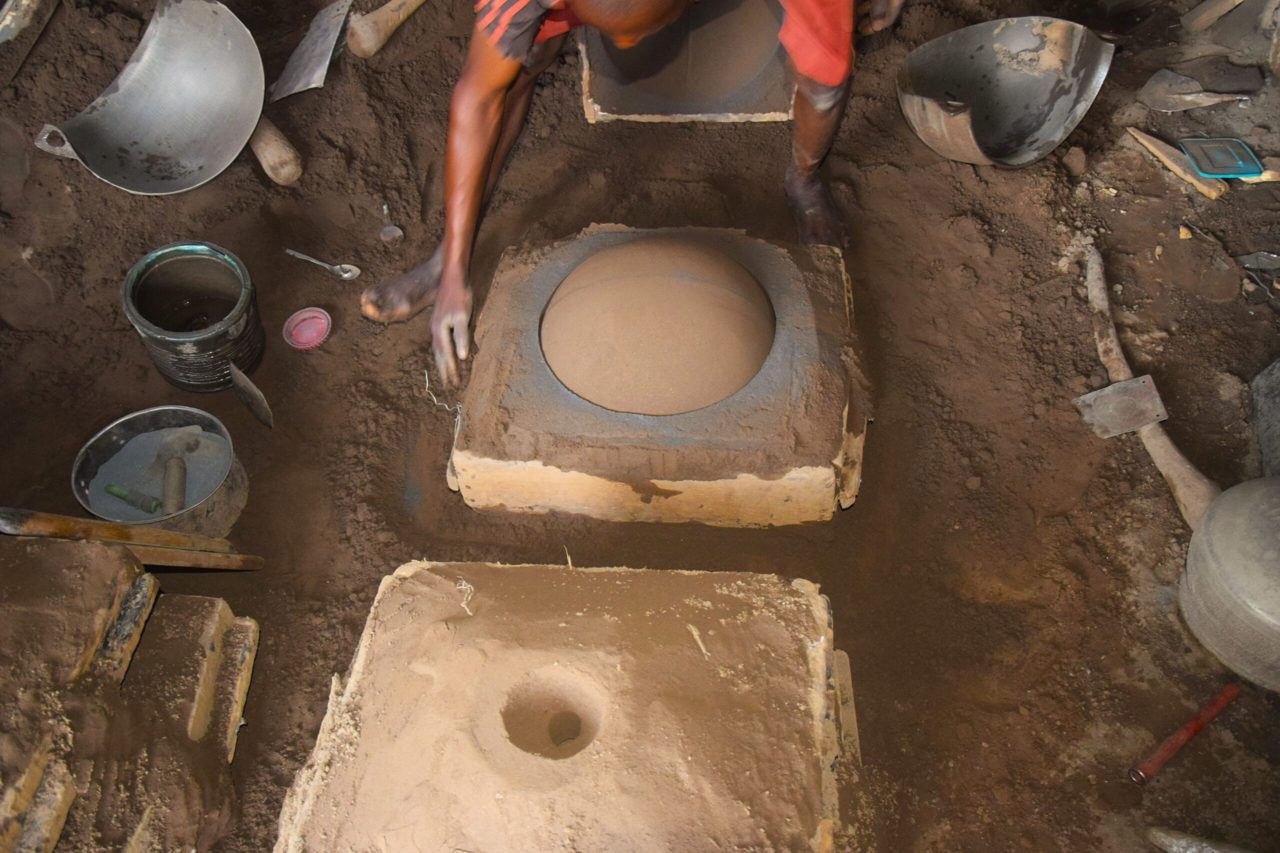
Ghana’s government has formally advanced its search for a strategic private partner to revive the Volta Aluminium Company (VALCO), requiring more than US$700 million in fresh capital. Lands and Natural Resources Minister Emmanuel Armah-Kofi Buah confirmed on 30 July 2026 that the Cabinet approved the investor hunt, telling workers, “Nobody will sell VALCO. We are only looking for the right partner to help turn the company around.”
The ageing smelter demands urgent modernization, with officials estimating the facility itself requires around US$600 million to clear an estimated US$400 million to US$450 million in legacy obligations. This debt burden includes up to US$300 million owed directly to the Volta River Authority and Ghana Grid Company. An internal analysis allocates roughly US$351 million to optimize two production lines and US$239 million to upgrade cell technology on three currently idle lines.
Current output has collapsed to between 35,000 and 40,000 tonnes annually, falling far short of the facility’s 200,000-tonne design capacity. The revival blueprint targets a return to 200,000 tonnes and a subsequent expansion to 300,000 tonnes. Achieving this will require the complete retrofitting of all six production lines within approximately 36 months of investment.
This smelter retrofit represents only a fraction of a broader US$2.3 billion industrial package structured by the Ghana Integrated Aluminium Development Corporation (GIADEC). The comprehensive plan includes constructing the country’s first alumina refinery to prevent the enclave extraction model seen elsewhere in West Africa.
The initiative positions Ghana at the center of the global competition for critical minerals essential to electric vehicles and renewable energy infrastructure. By insisting on a co-ownership model that retains state control, the government aims to attract competing bids from Chinese state-owned enterprises, Western aluminium majors, and Gulf sovereign investors.
Financing the project relies entirely on private equity and offtake-backed arrangements, as recent debt distress and International Monetary Fund programmes preclude direct state funding. This reliance on foreign capital introduces structural tension, potentially limiting Ghana’s bargaining power on future tariffs, governance, and labour standards.
Power pricing remains a critical negotiation point, with bidders now required to propose independent supply solutions such as self-generation or renewable energy to avoid straining the national grid. Furthermore, following worker demonstrations in July 2026, the government has mandated that staff retention plans and worker representation be central criteria in the final selection process.
As the inter-ministerial Investor Selection Committee moves toward naming a preferred bidder, the emphasis on low-carbon production will likely influence the outcome. Compliance with emerging EU carbon border measures means partners offering verifiable green aluminium pathways may hold a distinct competitive advantage in the final negotiations.