Naira slides to 1,834 per pound despite broader sterling weakness
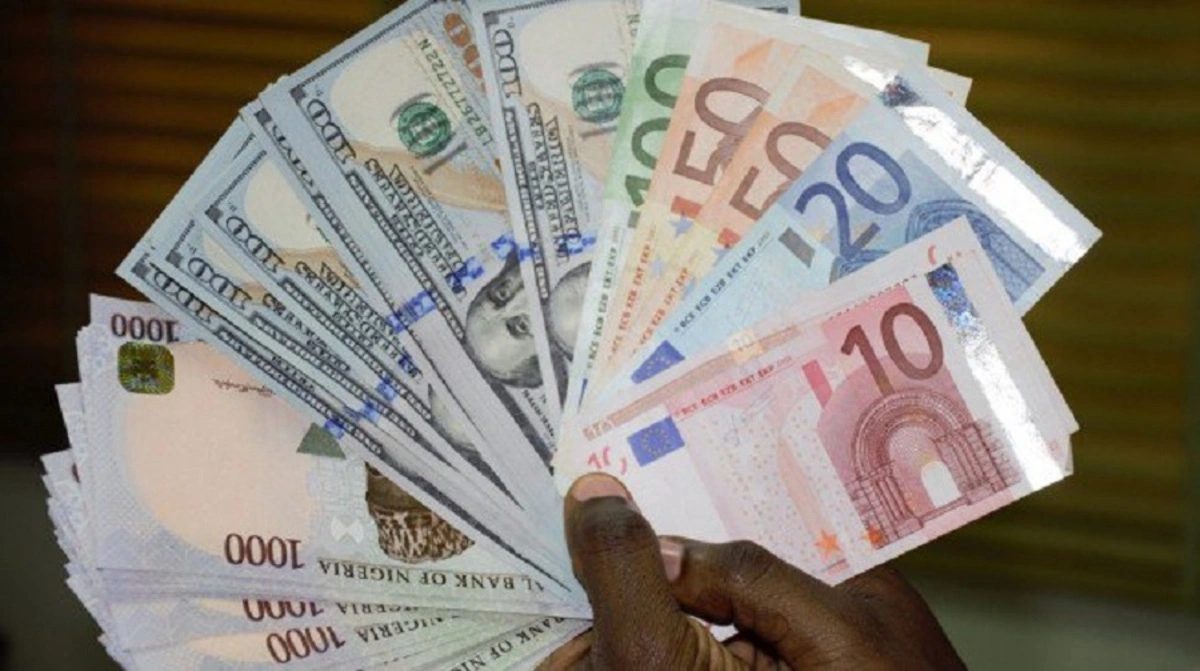
The Nigerian naira dropped to 1,834 per British pound early Friday, driven by localized demand for education and healthcare payments even as the pound softened globally against a safe-haven dollar.
The Nigerian naira exchanged at N1,834 against the British pound at the start of Friday's session, moving within a volatile N1,813 to N1,862 monthly band. This depreciation occurs despite the pound losing ground against the US dollar, which traded around the 1.3445 mark in early European hours. The divergence underscores the heavy, localized structural pressures weighing on the Nigerian currency.
Demand for sterling remains persistently high in Nigeria due to capital outflows for UK school fees and medical tourism to London. These flows are compounded by a stark inflation differential between the two nations, establishing a baseline for continued naira depreciation.
To manage the volatility, the Central Bank of Nigeria has maintained elevated benchmark interest rates to combat domestic price pressures. The regulator has also relied on increased foreign reserves to conduct regular FX sales to authorized dealers and Bureau De Change operators. Market participants are now watching for potential month-end liquidity injections from these channels, as major corporations typically settle foreign exchange obligations before the period closes.
Globally, the pound's retreat against the dollar stems from geopolitical risk appetite shifts rather than domestic UK weakness. Escalating Middle East tensions, specifically US missile strikes on southern Iranian sites including Qeshm Island, have boosted the safe-haven dollar. Iran's Parliament Speaker Mohammad Bagher Ghalibaf strongly condemned the strikes.
Central bank dynamics are also influencing the major pairs. Markets price a more than 90% probability that the Bank of England will hold its policy rate at 3.75% for a fifth consecutive meeting. This yield attractiveness provides a floor for sterling against most major currencies.
However, the dollar found support after the Federal Reserve held its target range at 3.50%-3.75% following an 8-1 vote, though three committee members voted for an immediate quarter-point increase. Futures had priced in more than a third of a hike prior to the decision, causing sterling to spike roughly 40 pips higher on the less aggressive outcome.
US economic data further skewed the macro backdrop. Second-quarter annualized growth slowed to 1.5%, down from 2.1% in the prior quarter and missing expectations. Additionally, the headline Personal Consumption Expenditures Index fell 0.1% in June, marking the first monthly decline since April 2020 as crude oil prices dropped.
For currency traders monitoring the naira, a push above N1,840 per pound could trigger momentum toward the previous monthly high close of N1,850. Any sudden jumps, however, are likely to be met with intervention from the central bank's authorized windows.