CXMT shares surge on debut but face steep technology barriers in memory chips
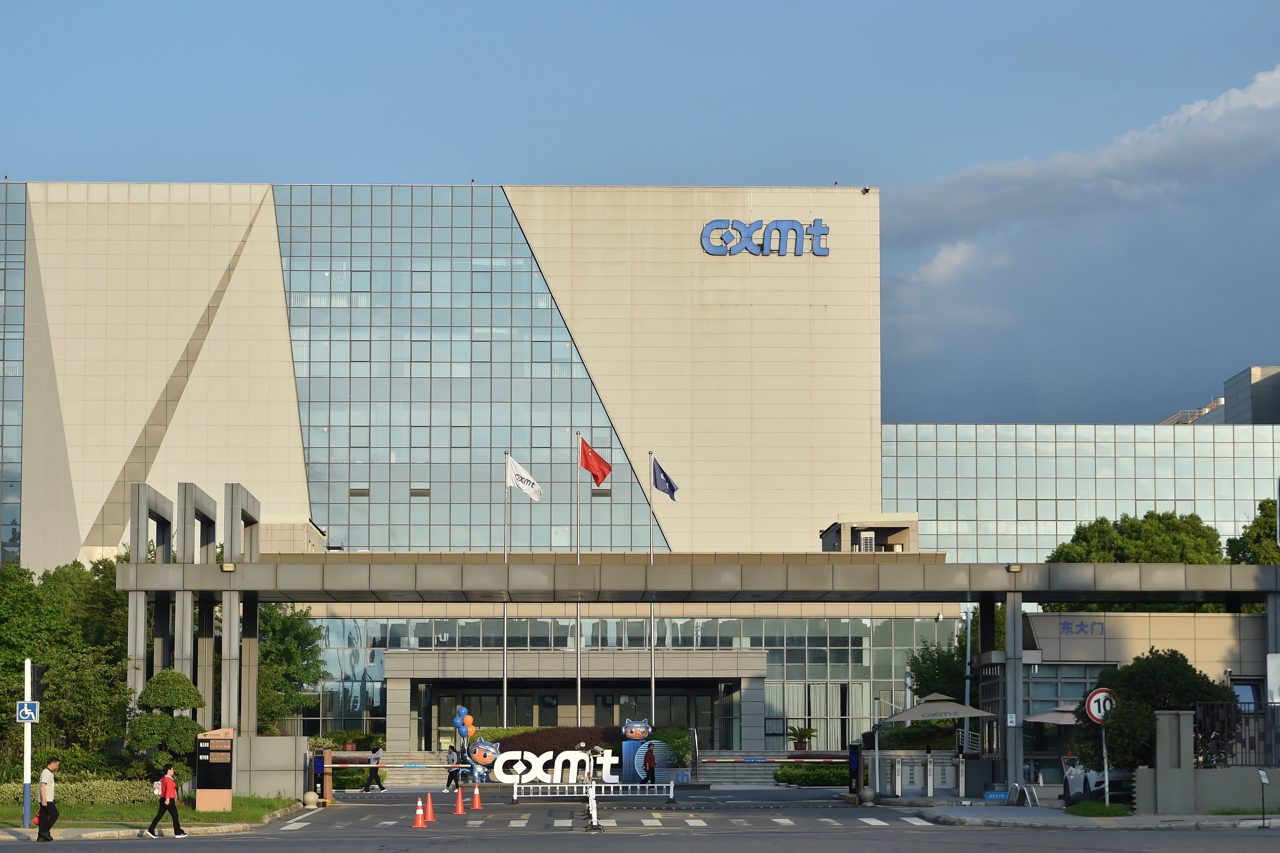
The Chinese memory maker's massive stock debut highlights Beijing's semiconductor ambitions, though analysts warn the company must overcome severe equipment restrictions to challenge global leaders in AI-driven memory.
Shares of Chinese memory maker CXMT jumped nearly 466 percent during their Monday trading debut in Shanghai. The surge underscores Beijing’s ongoing efforts to build a self-reliant semiconductor supply chain.
Despite the investor enthusiasm, market professionals emphasize that the company's long-term viability depends on closing a significant technology gap with Samsung Electronics, SK Hynix, and Micron. The primary battleground is high-bandwidth memory, a critical component for artificial intelligence applications where the global trio holds a commanding lead.
A major obstacle for the newcomer is its inability to access extreme ultraviolet lithography machines due to U.S.-led export restrictions. David Gibson, a senior analyst at MST Financial, noted that this equipment deficit forces the company to use roughly 30 percent more wafers than its rivals to manufacture the same volume of memory.
CXMT aims to begin producing high-bandwidth memory by the end of 2026 at its new Shanghai fabrication plant. However, MS Hwang, a research director at Counterpoint Research, expects these initial offerings to be limited to older HBM3 or HBM3E specifications. This trajectory leaves the Chinese firm one to two generations behind competitors who are already shipping HBM4 samples.
Samsung Electronics confirmed during its Thursday earnings call that it has scaled up HBM4 sales and delivered the first HBM4E samples to major clients. Gibson warned that while the Chinese newcomer will eventually produce stacked DRAM, its lack of advanced tools will result in low yields and constrained production volumes.
Industry data from Counterpoint Research shows Samsung leading the DRAM sector with a 38 percent share, followed by SK Hynix at 29 percent and Micron at 22 percent, while CXMT holds 8 percent. Gibson expects the Chinese firm to capture additional global market share, though this growth will rely almost entirely on domestic clients like Tencent, ByteDance, Alibaba, and local smartphone manufacturers.
Ellie Wang, an analyst at TrendForce, pointed out that the company currently supplies mainstream and mid-range memory to Chinese smartphone brands. Its expansion into the personal computer and server markets remains limited by a lack of high-capacity products designed for advanced AI infrastructure.
Hwang outlined a clear bull and bear scenario for the business, noting that success requires catching up technologically while failure stems from insurmountable equipment and technical barriers. Wang added that narrowing the performance gap will remain difficult before the current surge in AI-driven memory demand begins to normalize.