Brazil courts high-spending US Black travelers via new alliance
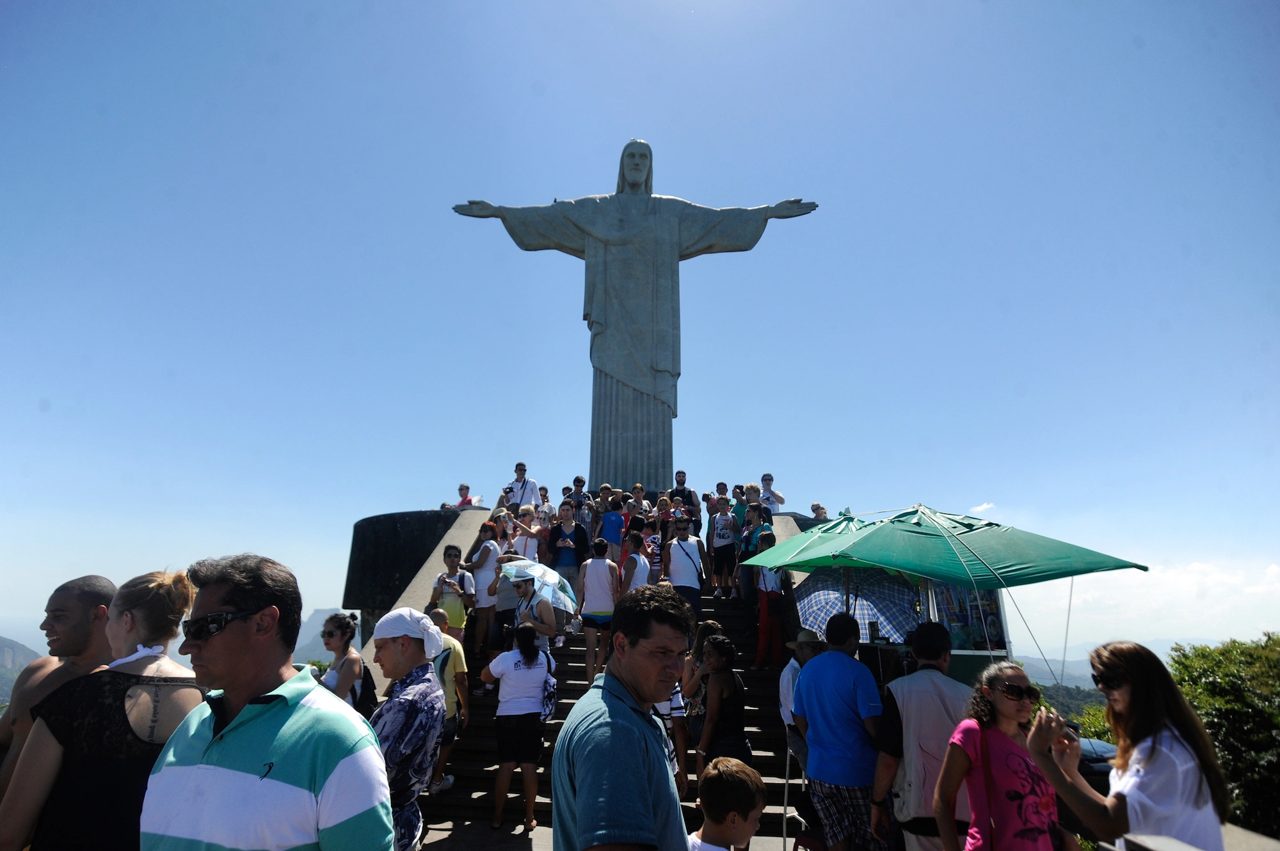
Brazil's tourism board has joined the Black Travel Alliance to attract high-spending US travelers, aiming to redirect tourism revenue toward Black-owned businesses and the creative economy.
In May 2026, Brazil’s national tourism board, Embratur, joined the Black Travel Alliance, marking a deliberate shift in how the country markets itself to international visitors. The partnership is designed to capture a specific demographic: Black travelers from the United States, a segment characterized by high purchasing power and a growing appetite for ancestry-linked travel.
For investors and travel operators, the move signals a strategic pivot away from relying solely on Brazil’s traditional draws of beaches and Carnival. Since 2023, Embratur has treated this segment, branded as "Afro-tourism", as a core axis of its international promotion rather than a niche product. By joining the Black Travel Alliance, Brazil gains direct access to a network of content creators, journalists, tour operators and opinion leaders, allowing the country to reach its target audience through trusted media channels.
Embratur deliberately avoids the term "ethnic tourism," arguing it is too narrow to capture the commercial opportunity. Instead, the agency is pushing a broader ecosystem that includes historic sites of the African diaspora alongside Black-led food, music and neighborhood tours. The pitch leverages the reality that roughly half of Brazil’s population is Black, positioning the country as a global reference for tourism with Black protagonism. This represents an effort to monetize cultural assets that have always existed but were never centrally positioned in national marketing.
The commercial implications extend beyond simply filling hotel rooms. Embratur frames the initiative as a mechanism to strengthen Brazil’s creative economy and scale up community-based tourism. A central goal is to support Black entrepreneurship and channel foreign tourist spending directly into local communities historically excluded from the broader tourism economy. This ties a social equity objective directly to a commercial strategy, aiming to reduce inequality while growing overall sector revenues.
The ultimate test for the strategy will be revenue capture. Market participants will watch whether this marketing push translates into spending that reaches Black-owned small and medium enterprises, rather than being absorbed by large incumbent operators. Key metrics to monitor include new direct flight routes from North America and the specific products Brazil highlights at international travel fairs.