US trade probe puts Brazil's Pix rail at dollar-clearing risk
Washington’s inclusion of Brazil’s Pix payment system in a trade probe, alongside new terror sanctions, threatens to raise dollar-clearing costs for Brazilian banks at a fragile macroeconomic moment.
The United States faces a July 15 deadline to decide on a 25% tariff on Brazilian goods, with the country's central bank-run Pix payment rail named directly in the underlying trade investigation. The probe, which also covers ethanol, intellectual property and deforestation, argues that the free instant-transfer system unfairly favours a domestic champion over American card and electronic-payment providers.
While the tariff threat is direct, the more acute financial risk stems from a separate US action. On June 5, Washington designated two Brazilian crime groups as foreign terrorist organisations, a move that carries heavy sanctions consequences for any counterparty tied to their financial flows.
Because criminal money moves through the same Pix infrastructure as ordinary commerce, US sanctions law effectively creates broad exposure. American banks typically price in this risk and pull back from counterparties rather than wait for Washington to spell out specific violations. Any significant retreat by US lenders would raise the cost of moving dollars, tightening financial conditions across Brazil.
This external squeeze arrives at a highly delicate moment for Brazil's economy. Public finances are already strained and domestic interest rates are elevated, leaving little buffer against a sudden spike in the cost of critical dollar clearing services.
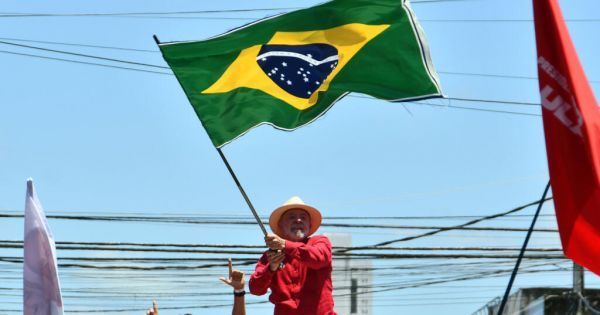
Business groups on both sides have attempted to de-escalate the standoff, jointly proposing a two-stage deal to settle immediate irritants while deferring the digital-payment dispute. Brazil's government has rejected the trade probe as illegitimate under world trade rules and skipped the Washington hearings entirely. The pressure has built alongside a political alignment between President Trump and the family of Brazil’s jailed former president, adding a partisan edge to the financial friction.
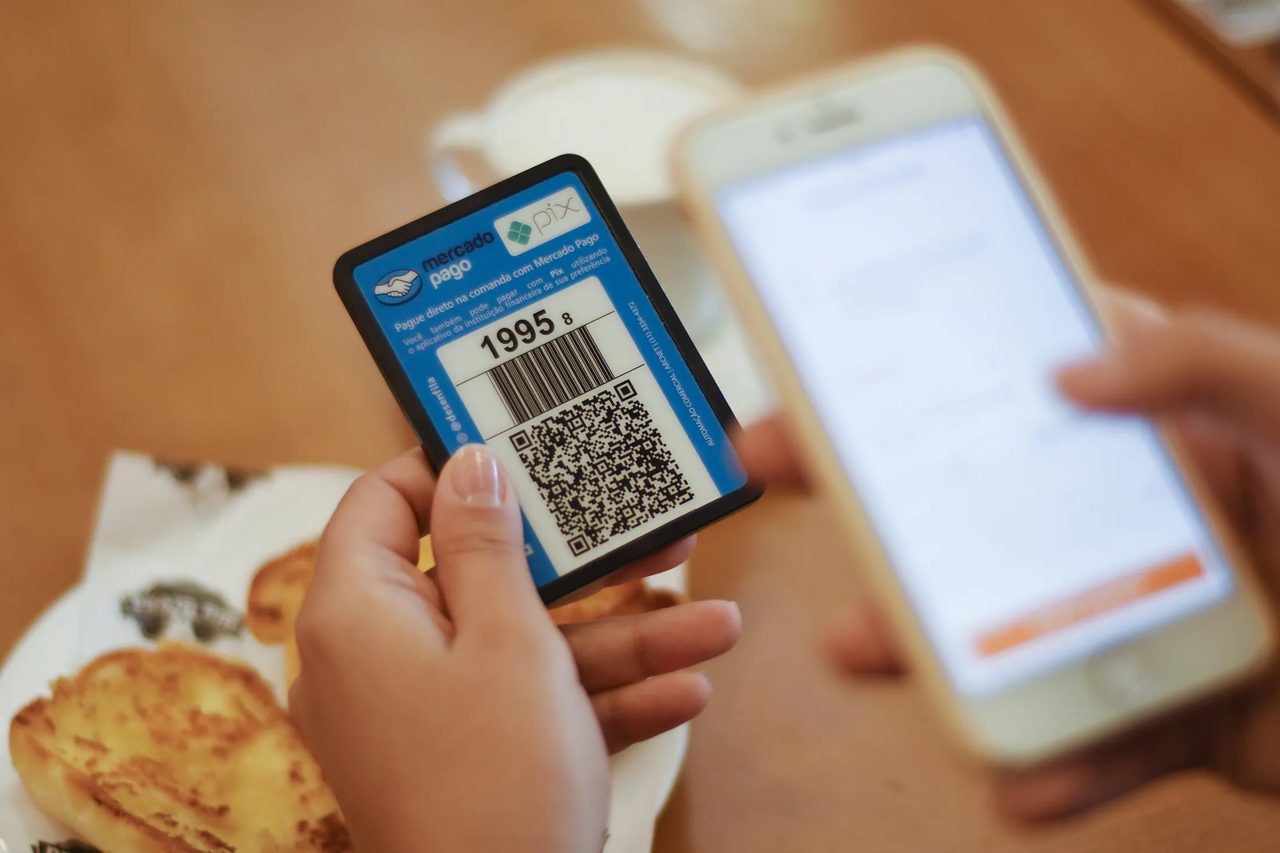
The dispute highlights how domestic financial plumbing becomes geopolitical leverage once it scales. Launched in 2020 to bring unbanked Brazilians into the financial system, Pix now handles most of the country's digital payments. Furthermore, Brazil has actively promoted Pix abroad as a potential building block for payment networks outside the dollar, a strategic ambition that helps explain Washington's heightened scrutiny.