Nigeria unrest kills 792 as attacks target logistics routes
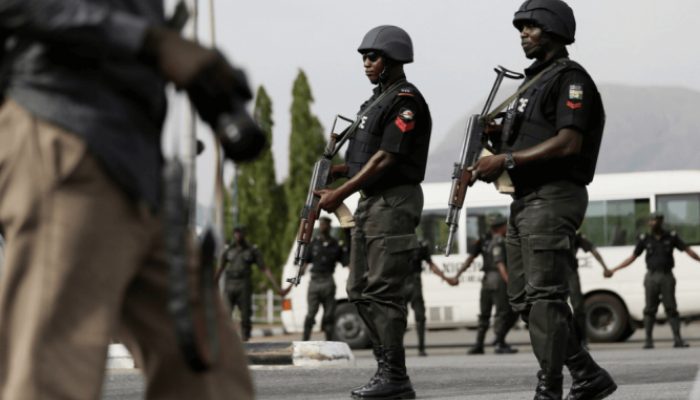
A sharp escalation in Nigerian security incidents left 792 people dead in June and forced transport operators to abandon critical supply routes, signaling expanding operational risks for businesses ahead of the 2027 elections.
Nigerian security forces recorded 882 incidents resulting in 792 deaths across the country in June, according to a new assessment by risk intelligence firm SARI Global. While government forces initiated the majority of operations, non-state armed groups proved far deadlier, causing 42.5 per cent of all confirmed fatalities.
For investors and logistics operators, the most pressing development is the systematic disruption of commercial supply chains by the Islamic State West Africa Province (ISWAP). The militant group has concentrated attacks on the Monguno axis in northern Borno, Nigeria’s most critical humanitarian flashpoint. Insurgents combined nighttime raids on aid compounds with daytime ambushes on supply routes, effectively cutting off access to vulnerable communities.
On June 29, fighters established illegal checkpoints and burned two NGO-contracted trucks along the Monguno-Gajiram road. “The deliberate destruction of food cargo is a calculated tactic to intimidate commercial vendors, deter them from engaging with humanitarian actors and restrict the flow of essential commodities,” the report noted. The strategy is working; transport operators have already begun abandoning the route, threatening food distribution during the lean season.
The geographic footprint of high-risk operations is also expanding. Borno remained the most violent state with 109 incidents and 172 deaths. However, SARI Global documented 67 insurgent-style ambushes and improvised explosive device attacks across the North-West, specifically in Zamfara, Katsina, Sokoto and Kebbi. The proliferation of IEDs in these states signals that tactics previously confined to the North-East insurgency are migrating into new agricultural and commercial zones. Zamfara alone recorded 63 incidents driven by persistent banditry.
Security vulnerabilities directly threaten international personnel and corporate infrastructure. On June 24, ISWAP fighters infiltrated the 20 Units Housing area in Monguno, abducting an international humanitarian worker and a local guard. SARI Global warned the operation demonstrated detailed intelligence on staff movements and security arrangements. A subsequent June 29 attack on a secondary school in Lassa exposed severe constraints in local surveillance and early-warning mechanisms.
Political risk is also bubbling to the surface. Of the 36 incidents recorded in the Federal Capital Territory, most were linked to civil unrest associated with the build-up to the 2027 general elections. Abuja is emerging as a hotspot for politically motivated protests, characterised by heavy security deployments and a low threshold for force.
Looking ahead to July, SARI Global projected that food insecurity will deepen as ISWAP continues to target logistics. The widening gap between humanitarian needs and response capacity is poised to increase operational risks across the board. “A busy security apparatus is not the same as an improving environment,” the report warned.