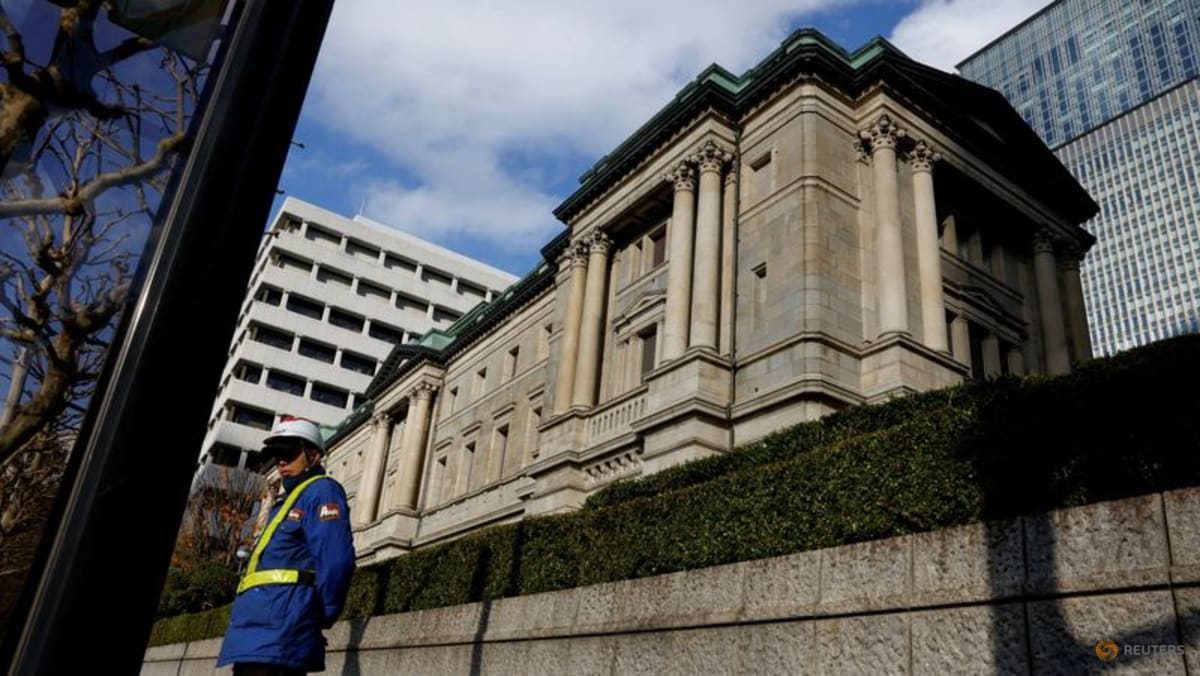
Bank of Japan may accelerate rate hikes by December to combat inflation
A leading price expert warns the central bank must abandon its tolerant monetary stance and accelerate interest rate increases by December to prevent underlying inflation from overshooting its target.
The Bank of Japan could abandon its tolerant monetary stance and accelerate interest rate increases as early as December, according to Tsutomu Watanabe. The former central bank official and University of Tokyo professor noted that policymakers might transition to an active inflation-fighting posture if next year’s wage growth matches recent solid gains.
Japan is currently navigating a third wave of inflation driven by the Middle East conflict, following earlier shocks from the Ukraine war and domestic wage increases. Watanabe expects headline consumer inflation, excluding fresh food and fuel, to peak near 3 per cent around March next year before decelerating toward the central bank's 2 per cent target.
The primary concern for investors is underlying price pressures, which Watanabe estimates are already close to 2 per cent. A flurry of price rises and a tight labour market are lifting wage growth and inflation expectations, creating a risk that underlying inflation could overshoot to 2.2 per cent by July next year.
Such an overshoot would force the central bank into a disruptive cycle of aggressive borrowing cost increases later on, a scenario policymakers want to avoid. To prevent this, Governor Kazuo Ueda would likely need to raise the policy rate on a quarterly basis rather than the current pace of roughly twice a year.
The benchmark rate currently sits at 1 per cent following several increases, including one in June. However, this level still leaves real borrowing costs negative despite consumer prices hovering around the 2 per cent threshold.
Wage expectations dictate timing
The exact timing of this monetary pivot hinges heavily on corporate pay expectations for the coming year. While a tight labour market has supported wage growth, uncertainty surrounding the Middle East conflict could prompt some businesses to delay pay increases, potentially altering the central bank's timeline.
If comments from labour unions and business lobbies indicate that wage gains will match recent solid growth, the shift to an inflation-fighting mode will occur in December. Watanabe maintains close contact with incumbent policymakers and believes they are well aware of the need to abandon their passive approach.
Testing market credibility
Watanabe cautioned that the institution faces a unique challenge due to its decades-long focus on defeating deflation, leaving it with limited experience in curbing rising prices. The central bank exited massive stimulus in 2024 as external supply shocks and domestic pressures finally lifted inflation above the 2 per cent target.
Market participants are increasingly questioning the central bank's resolve and ability to maintain price stability, demanding a clear signal that monetary policy will operate under fundamentally different rules. "The BOJ succeeded in de-anchoring inflation from zero," Watanabe said. "But the challenge to re-anchor inflation to 2 per cent has only just begun."