Federal Reserve Holds Rates at 3.5% to 3.75% Amid Split Over Inflation Risks
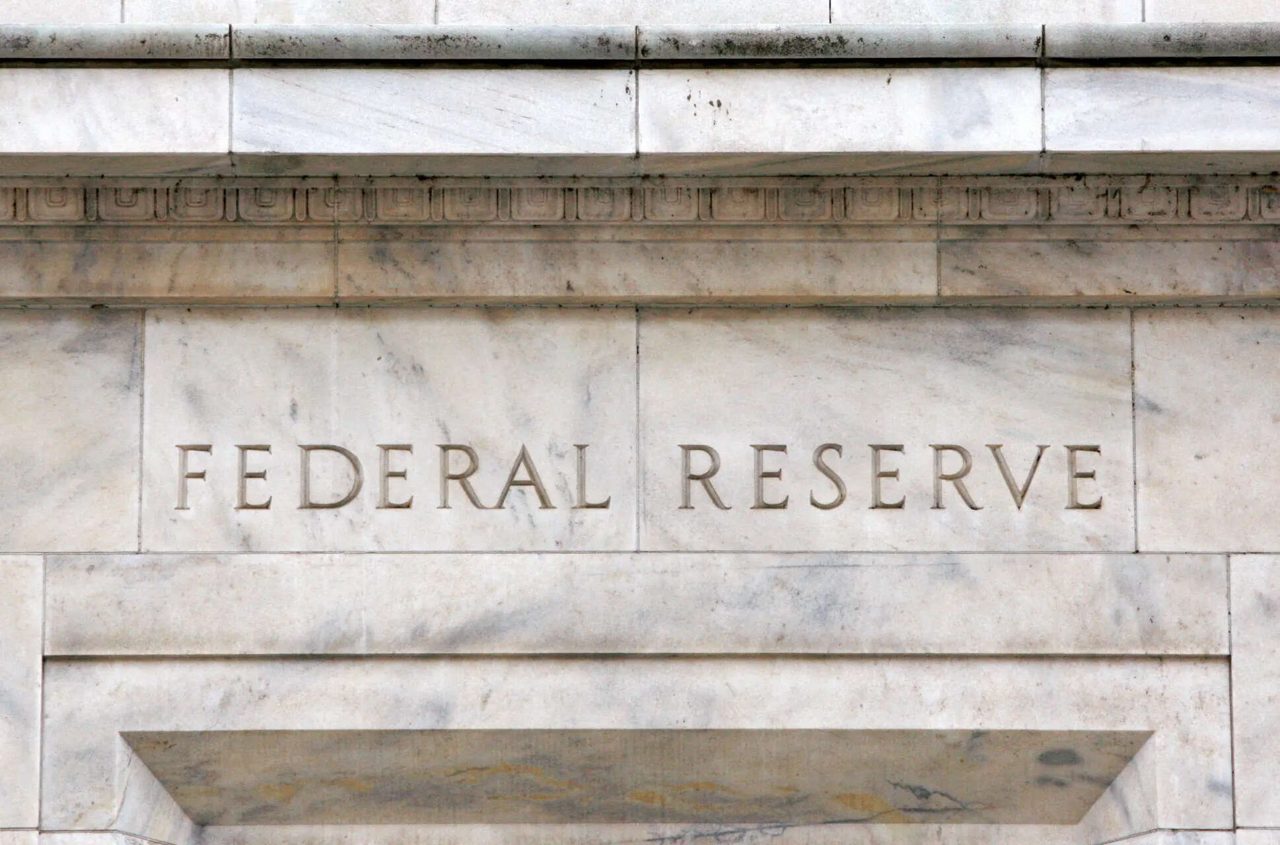
The Federal Reserve held interest rates steady for the fifth consecutive meeting, but a rare three-way dissent highlights growing internal pressure to combat persistent inflation driven by energy markets and artificial intelligence demand.
The Federal Open Market Committee voted 9-3 to maintain the benchmark federal funds rate between 3.5% and 3.75%. This marks the fifth consecutive meeting where policymakers have opted to leave borrowing costs unchanged.
The decision was not unanimous, revealing fractures within the central bank. Dallas Fed President Lorie Logan, Cleveland’s Beth Hammack, and Minneapolis Fed chief Neel Kashkari dissented, arguing for a quarter percentage point rate increase.
This dissenting bloc presents a fresh challenge for Fed Chairman Kevin Warsh, who assumed leadership in May. While Warsh has pledged to restore inflation to the central bank’s 2% target, he has stopped short of committing to rate hikes to achieve it.
Policymakers were partly shielded from immediate pressure to tighten policy by a softer June inflation reading. US consumer prices fell last month for the first time in six years, aided by declining gasoline prices during a temporary lull in the Iran war. Producer prices also increased less than anticipated.
Despite the recent cooling, officials continue to characterize inflation as elevated relative to their target. The post-meeting statement remained identical to the one issued in June, reiterating the commitment to "deliver price stability."
Forward-looking inflation risks remain acute for investors and corporate planners. A re-escalation of Middle East conflict recently pushed Brent crude past $100 a barrel, and while it has since retreated, the benchmark remained near $90 on Wednesday morning.
Beyond energy, the central bank is monitoring a confluence of structural pressures. A new slate of tariffs and an artificial intelligence-fueled demand boom are compounding fears that price growth could stay elevated for an extended period.
The labor market continues to show months of modest but steady employment growth alongside a stable unemployment rate. This resilience, paired with strong capital investment and productivity growth, led the committee to note that economic activity is expanding at a "solid pace."
For market participants, the 9-3 vote serves as an early warning signal. If energy prices remain volatile and AI-driven demand continues to strain supply chains, Fed Chairman Warsh may find it increasingly difficult to justify holding rates steady in upcoming meetings.