Oil slips as tankers find workarounds to Iran blockade
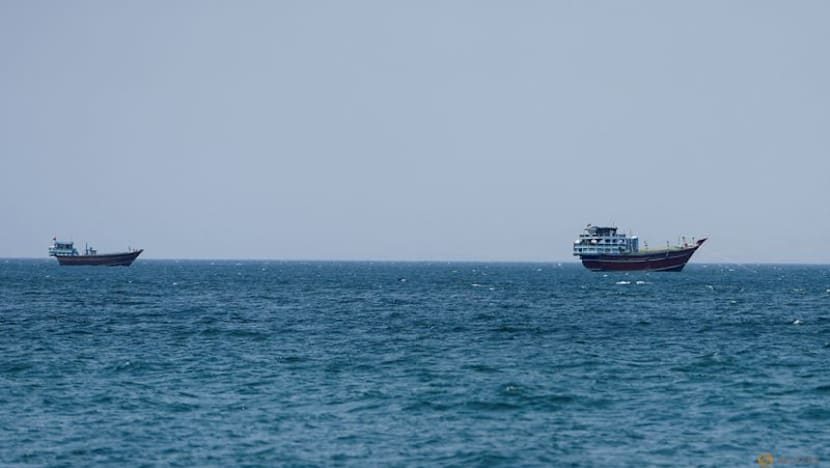
Oil prices fell on Thursday as crude continued to flow through alternative Middle East routes, eroding Iran's leverage over critical shipping chokepoints despite a widening regional conflict.
Brent crude dropped $1.29, or 1.42 per cent, to $89.45 a barrel in early trading, while U.S. West Texas Intermediate fell 56 cents to $83.90. The declines erased a portion of the previous session's massive rally, which saw Brent surge 7.91 per cent and WTI climb 6.56 per cent following a brief halt in hostilities.
Rather than a severe supply shock, the market is adjusting to a reality where physical crude is still reaching global buyers. Preliminary shipping data showed 39 commodity ships successfully navigated the Bab el-Mandeb strait into the Red Sea on Tuesday, marking the highest daily transit volume since July 19.
"While overall volumes are reduced, oil continues to leak out of the region through multiple channels, and additional workarounds are being explored," said IG market analyst Tony Sycamore. "The longer this situation persists, the more these alternative routes and methods will erode Iran's leverage over the Strait of Hormuz."
The Strait of Hormuz, which previously handled roughly a fifth of global oil and gas flows, has been largely blocked since the U.S.-Iran war erupted in February. Diplomatic efforts to restore safe passage have faltered, with Tehran formally rejecting an Omani proposal for joint regional management of the strait on Wednesday.
Despite the shipping workarounds, the military trajectory is escalating. U.S. and Saudi forces conducted air strikes against Iran-backed paramilitary forces in Iraq on Wednesday. This marked the first public involvement of Saudi forces in U.S. strikes, launched in direct retaliation for drone attacks on Saudi oil targets launched from Iraqi soil.
These strikes resumed after President Donald Trump paused a broader bombing campaign over the weekend due to dwindling munitions. Iran responded by firing on U.S. bases in Jordan and attacking three tankers it claimed were transiting the Strait of Hormuz via an unauthorised route.
A second maritime front is simultaneously opening in the Red Sea. The Iran-backed Houthi movement announced a naval blockade against Saudi Arabia on July 20, explicitly targeting tankers to disrupt traffic through the Bab el-Mandeb strait, the world's second most critical oil shipping channel. Saudi Arabia is now actively seeking to build a coalition to protect Red Sea shipping from these attacks.
For commodities investors, the current pricing dynamic reflects a temporary decoupling of geopolitical risk from immediate supply destruction. As long as alternative transit methods hold, the risk premium baked into crude futures may remain constrained despite the expanding war.