Wall Street sells off as Fed holds rates steady and AI spending concerns mount
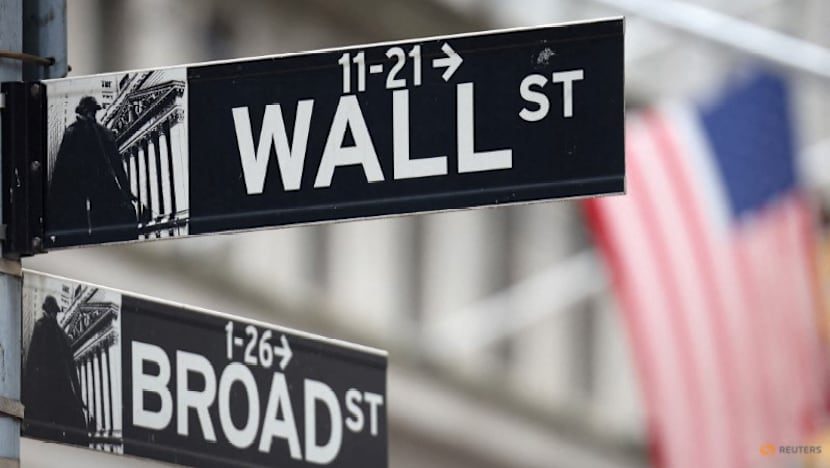
US equities suffered broad losses after the Federal Reserve kept interest rates unchanged, amplifying investor anxiety over soaring artificial intelligence capital expenditures and persistent inflation.
Wall Street closed sharply lower on Wednesday as the Federal Reserve maintained its benchmark interest rate in the 3.50 to 3.75 per cent range. The decision triggered a broad market retreat, with the S&P 500 falling 1.52 per cent to 7,316.15 points, its lowest level in a month.
The hold was widely anticipated, but it drew dissents from three of the 12 Federal Open Market Committee members who advocated for a quarter-percentage-point increase. Inflation has remained above the central bank’s target for over five years, recently accelerating as Middle East conflicts drove up global food and fuel costs.
“The Fed held pat, as expected,” noted Ryan Detrick, chief market strategist at Carson Group. He added that surging crude oil and hot inflation raise the pressure for a potential rate hike in September.
Technology stocks bore the brunt of the selling, driven by mounting concerns that massive artificial intelligence investments are eroding free cash flow. The tech-heavy Nasdaq Composite dropped 1.74 per cent to 24,442.94, while the Nasdaq 100 slid 2.1 per cent, marking an 11 per cent decline from its June record high.
After-hours trading highlighted this divergence in AI returns. Meta Platforms fell 4 per cent after lifting its 2026 capital expenditure forecast to a range of US$130 billion to US$145 billion. Conversely, Microsoft edged up 0.6 per cent after surpassing Wall Street expectations for quarterly cloud revenue growth.
The semiconductor sector also faced headwinds amid intensifying competition from Chinese firms developing cheaper AI models and advanced chips. SK Hynix shares plummeted 10 per cent after a sixfold profit increase missed lofty investor targets, and AI infrastructure provider Vertiv slumped 17 per cent on missed revenue expectations.
Despite the market turbulence, Fed chief Kevin Warsh defended the sector's trajectory. He told reporters that current AI spending is laying the necessary groundwork for future economic growth.
Broader market indicators reflected widespread caution across the board. Eight of the 11 S&P 500 sectors declined, led by a 3.24 per cent drop in industrials and a 2.5 per cent fall in information technology. The S&P 500 posted 32 new highs and four new lows, while the Nasdaq recorded 121 new highs against 230 new lows.
Investors are now weighing these macroeconomic headwinds against robust corporate forecasts. Analysts project second-quarter S&P 500 earnings to surge 40 per cent year-over-year, largely driven by AI-related companies. Consequently, the index trades at roughly 20 times expected earnings, slightly above its 10-year average of 19, according to LSEG data.
Outside the technology sector, corporate results yielded mixed reactions. Ford Motor gained 2.1 per cent after raising its annual profit outlook for the second time this year, while Lennox tumbled 21 per cent following a reduced annual profit forecast. Visa rose 0.6 per cent, beating quarterly profit estimates on strong travel demand linked to the World Cup.