Bond market demands Fed action as 30-year yield hits 2007 high
The Federal Reserve kept rates unchanged despite internal dissent, but a sharp sell-off in long-dated Treasuries signals investors doubt policymakers will do what it takes to reach 2% inflation.
The Federal Reserve kept its benchmark interest rate unchanged at a range of 3.5% to 3.75%, a widely expected decision that masked underlying discord. Three policymakers dissented, breaking from the majority to advocate for an immediate quarter-percentage-point hike.
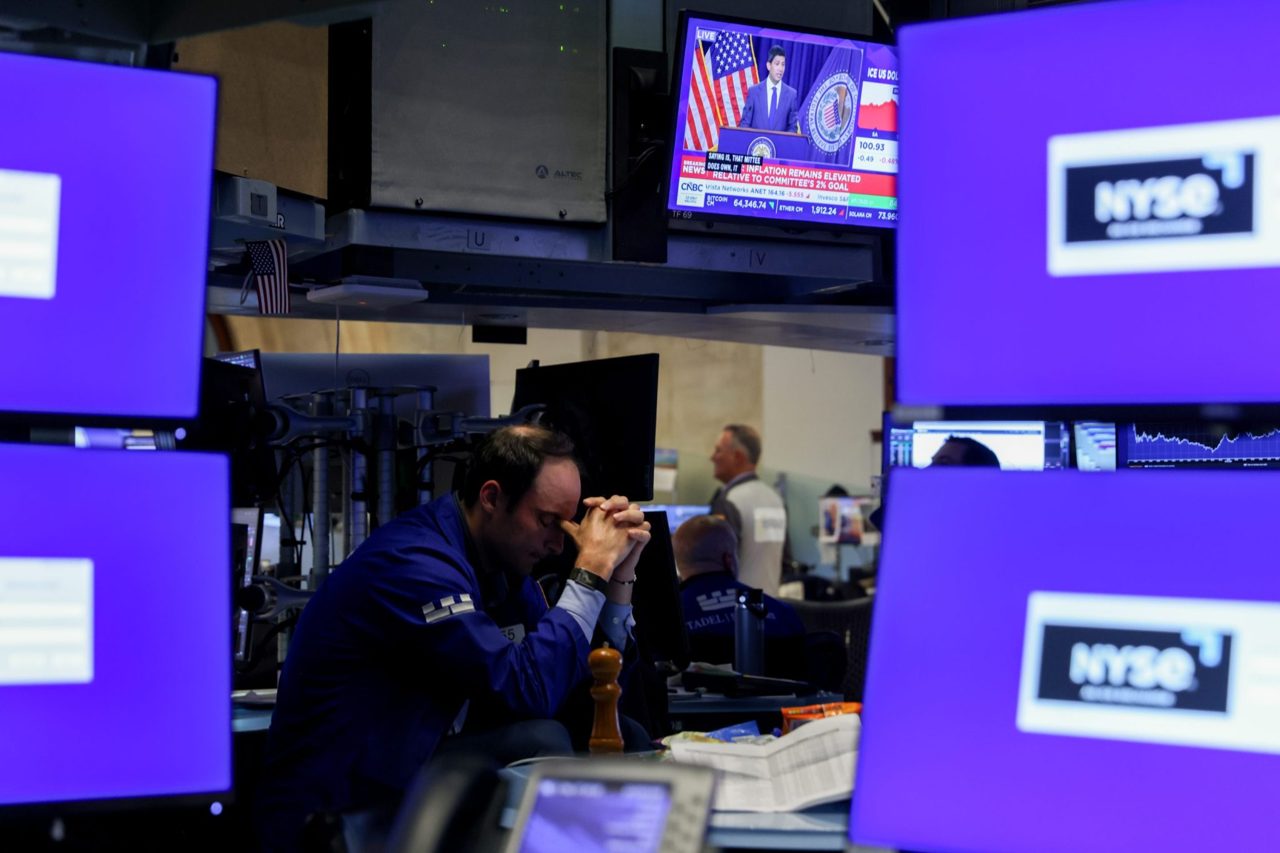
While the pause initially seemed like a standard hold, the subsequent market action revealed deep skepticism about the central bank's commitment to restoring price stability. A dramatic split emerged across the Treasury curve, with long-dated bonds selling off aggressively while short-term notes rallied.
The 30-year bond yield surged to 5.213%, marking its highest level since 2007. The benchmark 10-year Treasury yield rose more than 7 basis points to close at 4.681%. In stark contrast, the policy-sensitive two-year yield dropped 3 basis points to 4.244%.
This divergence carries distinct implications for investors. Short-end yields closely track immediate interest rate expectations, explaining the two-year rally on signals that rate hikes are delayed. Long-end yields, however, are driven by long-term inflation and deficit expectations. The surge at the long end suggests investors are demanding a higher term premium due to lingering doubts about the Fed's resolve.
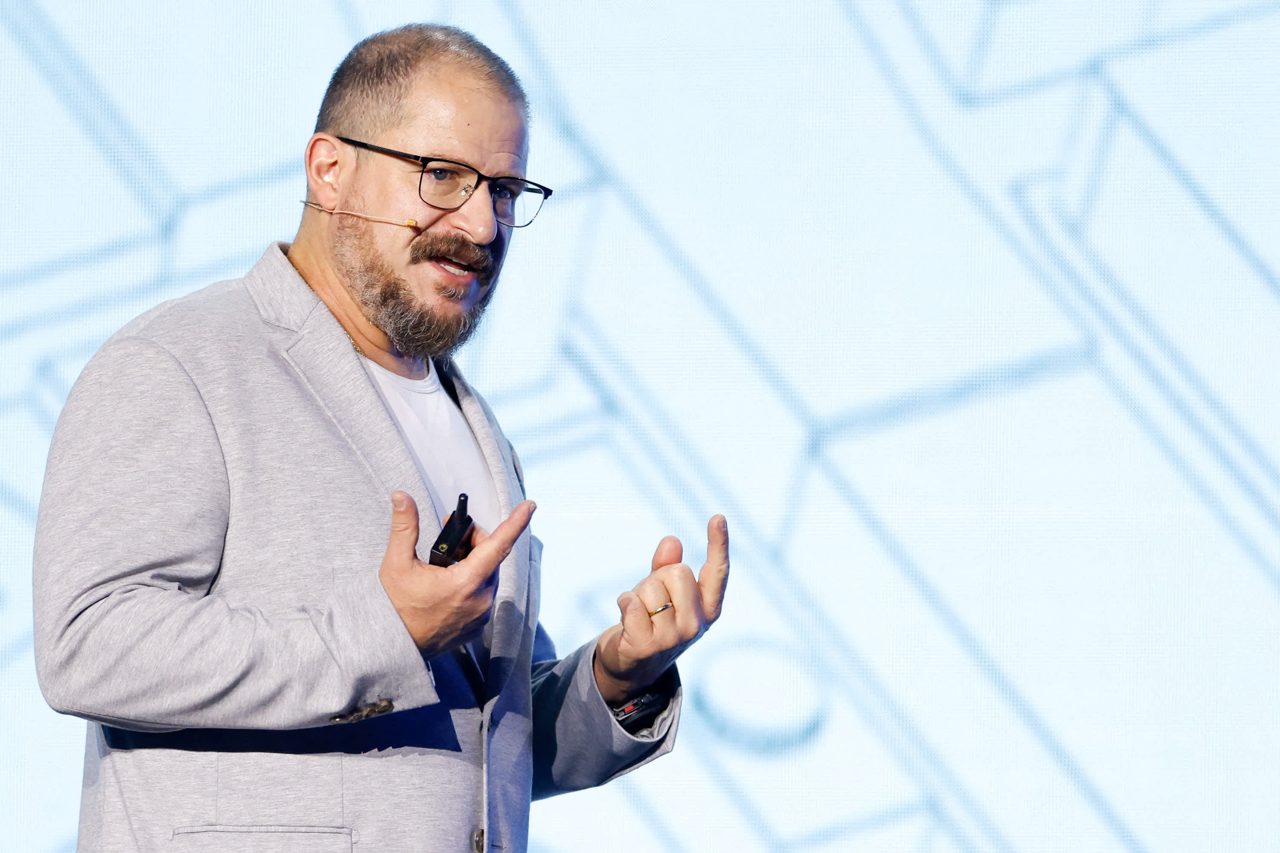
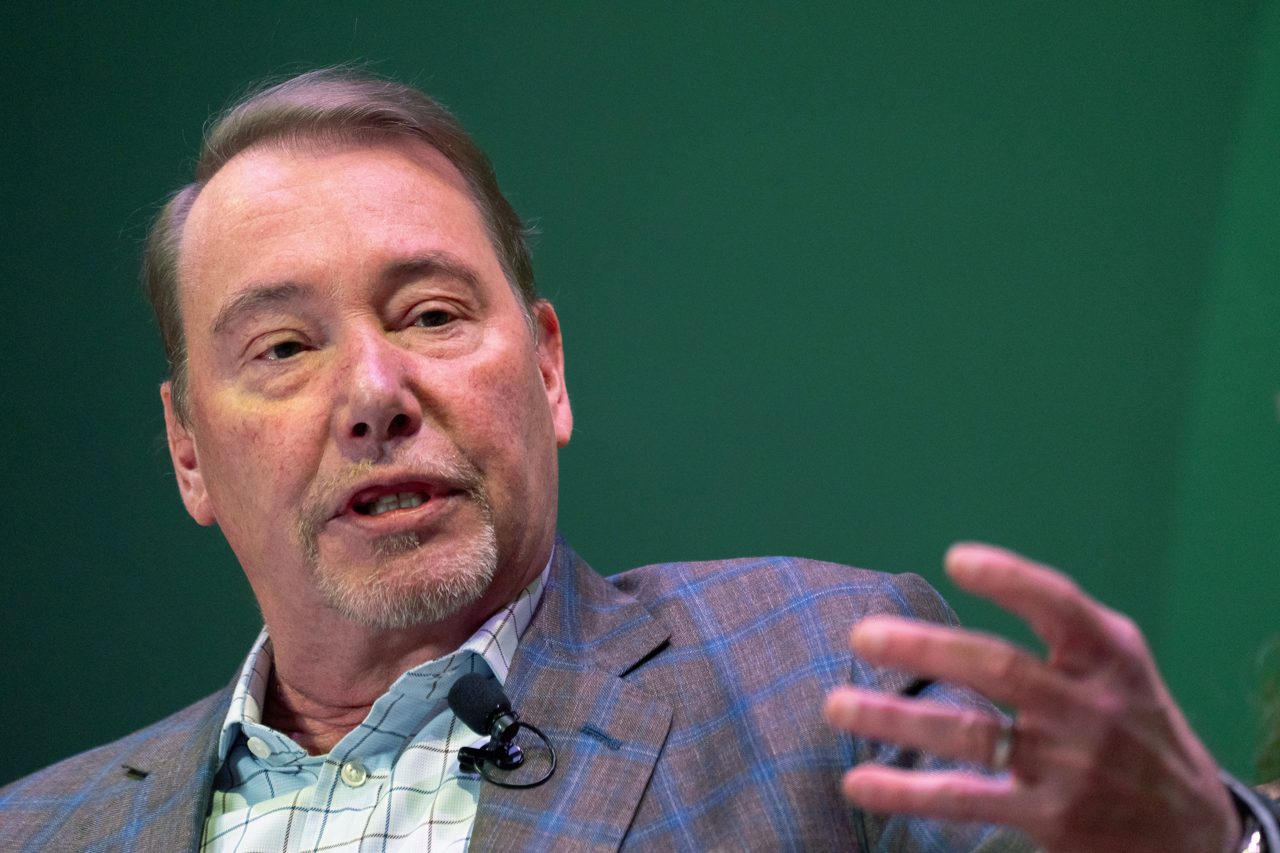
Jeffrey Gundlach, CEO of DoubleLine Capital, told CNBC that the Treasury market is effectively forcing the central bank's hand. He argued that if the Fed is genuinely committed to its 2% inflation target, policymakers cannot rely on rhetoric alone. "If you really want to get to 2%, I think you have to raise interest rates," Gundlach said.
He characterized the market reaction as a verdict from bond market vigilantes who are losing patience with the current pace of policy. "The two-year Treasury rallied today because it thinks the Fed is taking its time," he said. "And the long bond yield went up significantly after the press conference, because the bond market vigilantes are saying, 'If you really want us to believe your rhetoric, you've got to start acting.'"
Gundlach cautioned that achieving the 2% target remains a distant prospect. "I think getting 2% is going to take a long time. We might not get there over the course of the next couple of years," he warned.
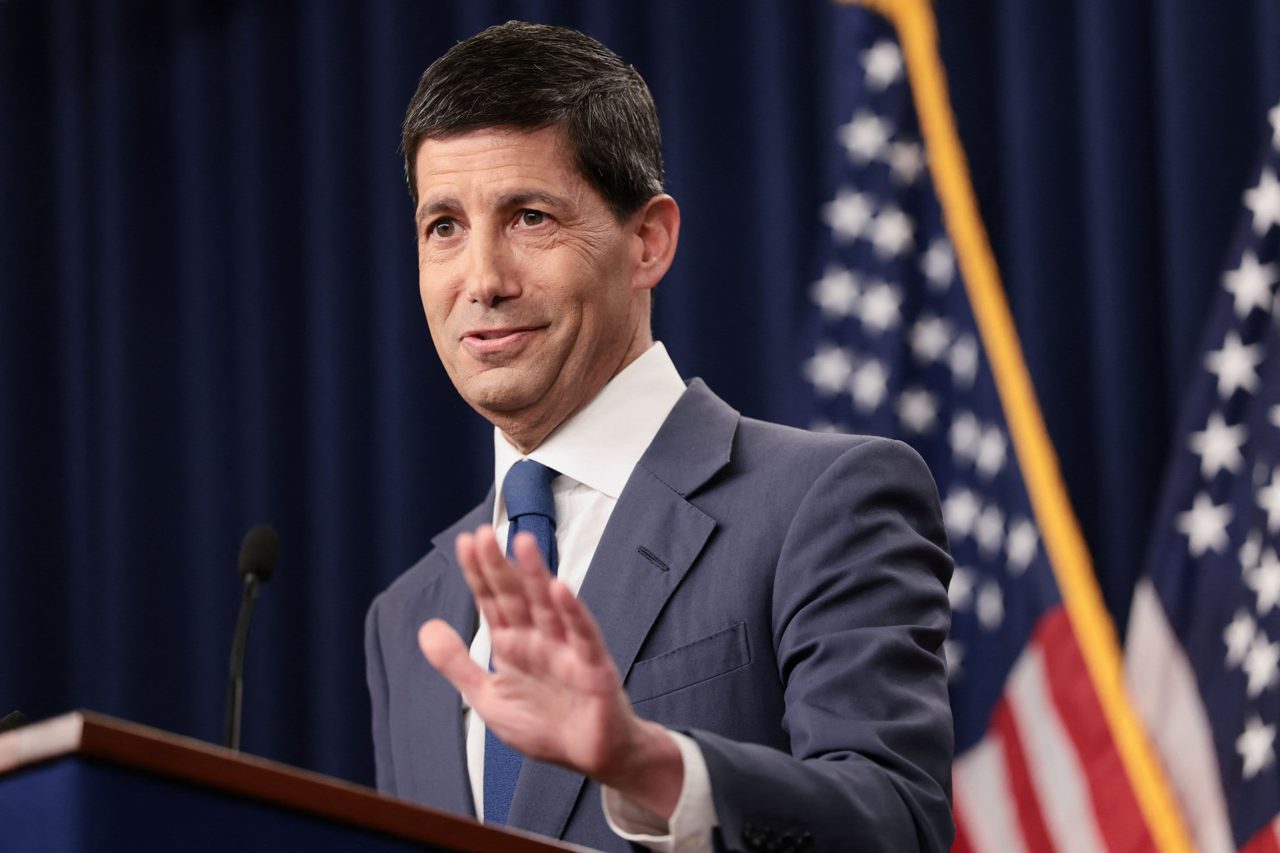
Responding to the market turbulence, Fed Chairman Kevin Warsh reiterated the central bank's determination to meet its inflation mandate. Warsh indicated the committee is carefully watching market signals to guide its next moves. "I understand the desire for rolling forecasts and commentary from this committee, but for our part, we need to observe market reaction to developments direct and unfiltered," Warsh said. "I want to stress, of course, that decisions by this committee matter a great deal, and where necessary and appropriate, we will not hesitate to act."