Curaçao pitches 17m-barrel terminal to serve Guyana oil boom
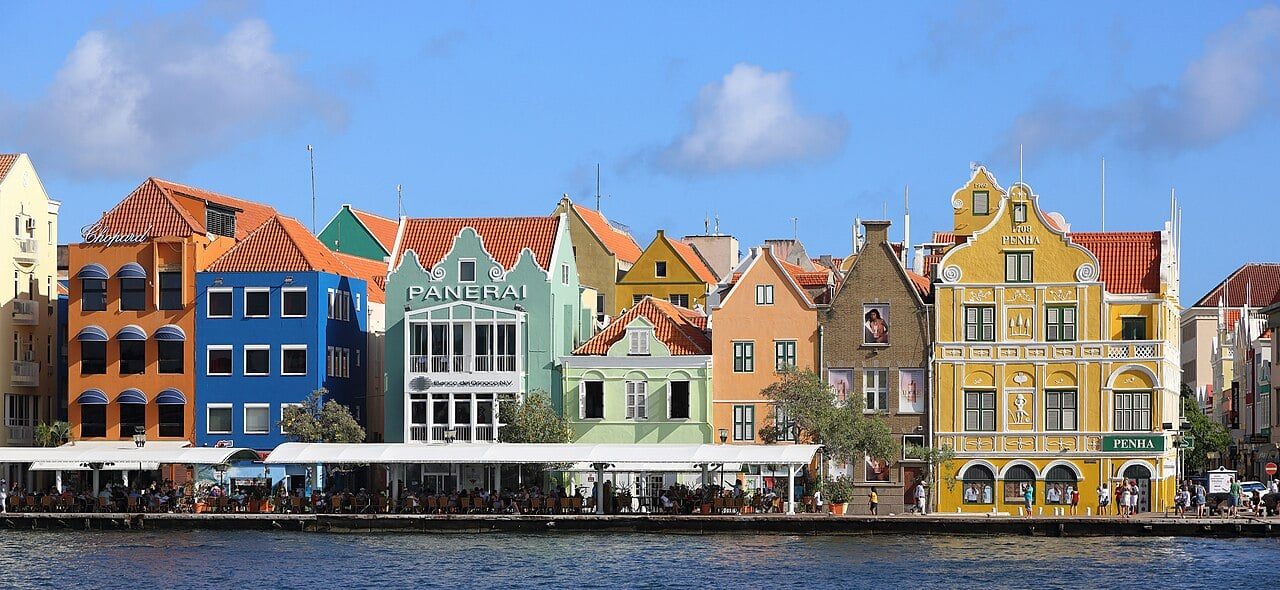
Curaçao is leveraging its Bullenbaai oil terminal to capture logistics business from the Guyana-Suriname basin, though the strategy remains unbacked by commercial contracts.
Curaçao is actively pitching its Bullenbaai oil terminal as a critical logistics hub for the emerging Guyana-Suriname offshore basin. Finance and Transport Minister Charles Cooper publicly outlined the strategy in July 2026, targeting a regional deficit in storage and port infrastructure.
The island’s primary asset is substantial. Bullenbaai offers roughly 17 million to 18 million barrels of crude storage alongside deep-water access, handling about 2,500 vessels annually. The terminal was operating at full capacity in May 2026, reflecting immediate demand rather than future potential.
That current demand is driven primarily by Venezuelan crude transshipment. In January 2026, Vitol and Trafigura managed the movement of 4.8 million barrels of Venezuelan crude through the facility. However, Curaçao's government wants to pivot this existing capacity toward Guyana and Suriname as their production scales.
The target market is substantial. Guyana projects crude output of 1.2 million barrels per day by 2027. Separately, TotalEnergies intends to start production at Suriname’s Block 58 in 2028 via a 200,000-barrel-per-day facility. Neither nation currently possesses the onshore storage capacity or LNG export infrastructure to support this scale of offshore production independently.
Contract conversion
For energy investors and logistics companies, the critical variable is contract conversion. CINEX, the island's investment promotion agency, has marketed Curaçao as a "premier hub for maritime trade and shipping services" to regional operators. Yet as of mid-2026, no binding logistics or storage agreements with Guyanese or Surinamese operators have been publicly confirmed.
This logistics push represents a deliberate pivot away from the island's troubled refining sector. The Isla refinery, with a theoretical capacity of up to 335,000 barrels per day, has been largely idle since 2019. A 2023 restart deal with Oryx Petroleum and VIGOR collapsed in early 2025 after the latter failed to meet financial obligations.
Prime Minister Gilmar Pisas confirmed ongoing early-stage talks with Venezuela’s PDVSA to reactivate the refinery. Any such deal remains blocked, however, pending approval from the US Office of Foreign Assets Control.
State operator 2BAYS, which took over the site in October 2024, is instead executing an "eco-port" master plan. Curaçao’s 2026 national budget reflects this shift, prioritizing maritime services and a diversified industrial park over refining dependency.
Curaçao holds the tanks and the geographic position to serve South America's newest oil frontier. Whether it translates those physical assets into a permanent role in the Guyana-Suriname supply chain depends entirely on securing commercial deals that have not yet materialized.