Oil Jumps 7% as Hormuz Disruptions, Low Inventories Tighten Market
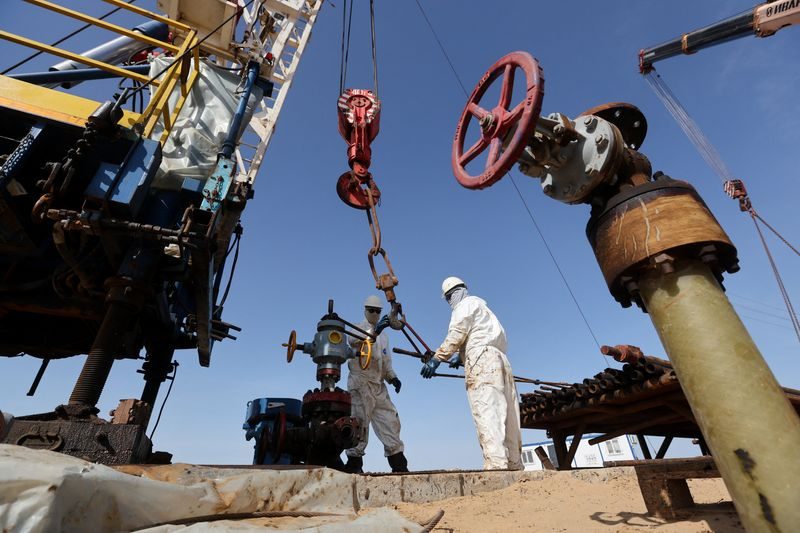
Oil prices surged 7% on Wednesday as military strikes virtually halted traffic through the Strait of Hormuz while U.S. crude inventories dropped to their lowest level since 2018.
Brent crude rose $6.16, or 7.33%, to $90.25 a barrel, while U.S. West Texas Intermediate gained $5.40, or 6.81%, to $84.65. The rally accelerated after President Donald Trump told Fox News he would order further strikes against Iran. The immediate catalyst was a joint U.S. and Saudi airstrike campaign against Iran-backed groups in Iraq, launched in retaliation for drone attacks on Saudi oil infrastructure.
The price action reflects a genuine squeeze on physical supply, particularly at the Strait of Hormuz. "Renewed military strikes in the Middle East and Iranian officials reiterating that they want to control shipping activity through the Strait of Hormuz amid depressed oil flows through the strait are lifting oil prices again," said Giovanni Staunovo, an analyst at UBS. Only a handful of commodity vessels have navigated the critical chokepoint this week.
Traders are closely watching alternative routes like the Bab el-Mandeb Strait, which saw 39 ships transit on Tuesday but only five on Wednesday. "From what I can see, their success in stopping flows through the Bab el-Mandeb is nowhere near as effective as in the Strait of Hormuz, though it appears there are more ships entering than exiting," said Scott Shelton, energy specialist at TP ICAP. Further complicating the picture, Yemen's Houthi militants are weighing fees on southern Red Sea traffic while China holds direct talks with the group to secure its tanker fleets.
This geopolitical risk premium is stacking on top of tightening U.S. fundamentals. Energy Information Administration data released Wednesday showed domestic crude inventories fell by 7.2 million barrels to 404.5 million barrels last week, far exceeding analyst expectations for a 1.3-million-barrel draw. Stockpiles are now at their lowest since 2018, driven by robust exports and firm domestic demand.
Tehran has dismissed an Omani proposal for joint regional management of the Strait of Hormuz, cementing the risk of prolonged disruptions. "We believe Brent oil prices will continue to whipsaw in the $80-$100 per barrel range in the near term as the conflict ebbs and flows in the Middle East," said Suvro Sarkar, head of energy research at DBS Bank.