US Quota for Mexican Sugar Surges 512% in Trade Breakthrough
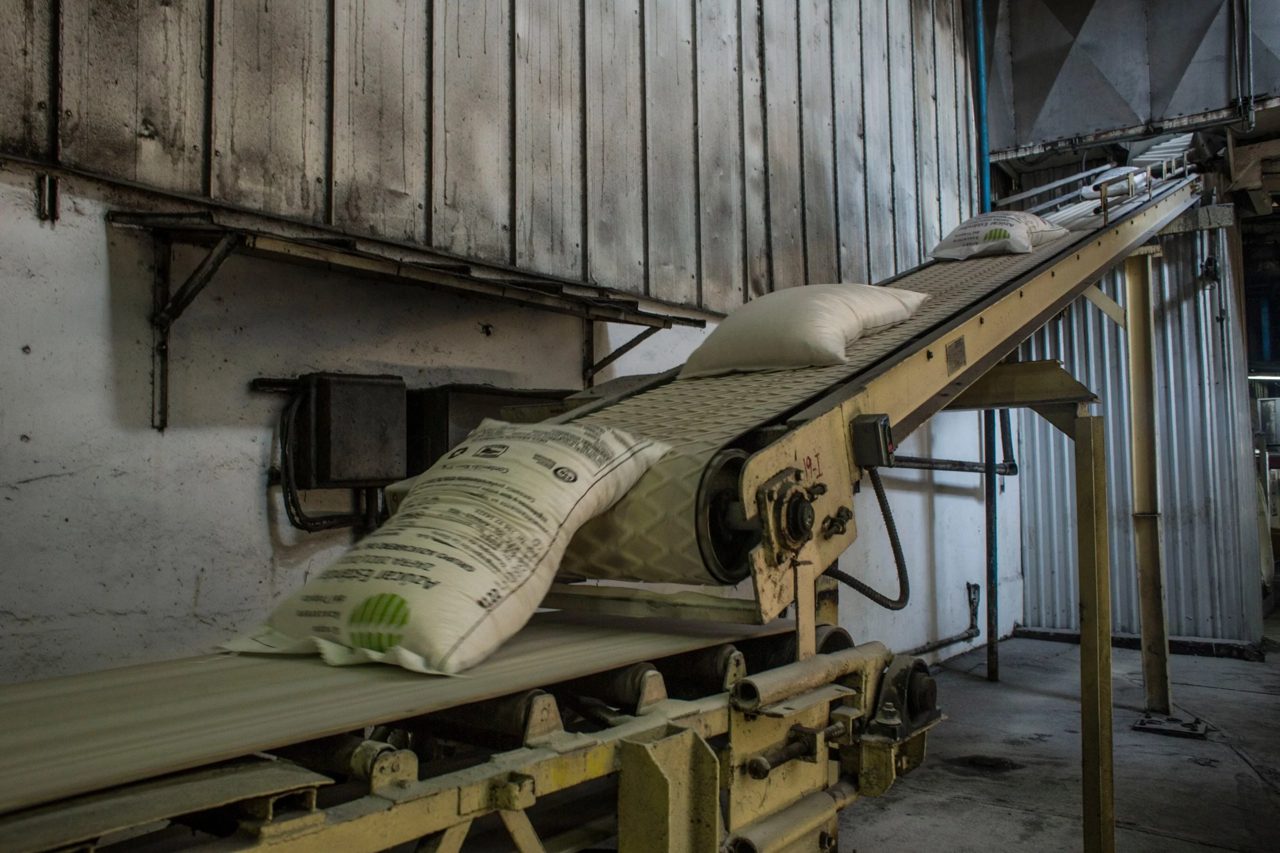
Washington has increased its projected imports of Mexican sugar fivefold to one and a sixth million tons, unlocking $271 million for growers and signaling a de-escalation of trade frictions ahead of a regional pact review.
The US Department of Agriculture projects American demand for Mexican sugar will reach up to one and a sixth million tons in the 2026-27 season, a 512% increase over its previous estimate. Mexican officials said the figure, published on July 10, represents the largest projected volume in the history of the bilateral sugar trade. The revised quota stems from diplomatic talks initiated by US Agriculture Secretary Brooke Rollins during a late 2025 visit to Mexico.
The expanded market access is valued at up to 4.75 billion pesos, or roughly $271 million, flowing to an estimated 170,000 cane producers. Growers in Veracruz, Jalisco, Oaxaca and Puebla stand to benefit most from the quota expansion. However, the actual payout depends entirely on whether Mexican mills and ports can scale up logistics quickly enough to process and ship the larger volumes.
The surge in cross-border flows is driven by underlying crop economics, with Mexican output forecast to recover to just over five million tons this crush. That generates a surplus exceeding domestic consumption, finding a ready buyer in the United States where domestic beet and cane production has fallen short. For food and beverage manufacturers on both sides of the border, a steadier supply chain should help smooth raw material costs.
The quota expansion marks a sharp pivot in Mexican trade strategy. Only months ago, Mexico erected steep import tariffs to wall off its domestic market and support local prices. The dual approach now seeks to protect the home market while capitalizing on higher-value sales to the United States.
Resolving sugar access carries significant weight beyond the agricultural sector. Sugar has long been the most stubborn friction point between the two governments, sitting alongside ongoing disputes over trucking, shrimp standards and dairy quotas. Clearing this oldest of hurdles signals a willingness to tackle legacy irritants just ahead of a difficult review of the regional trade pact.