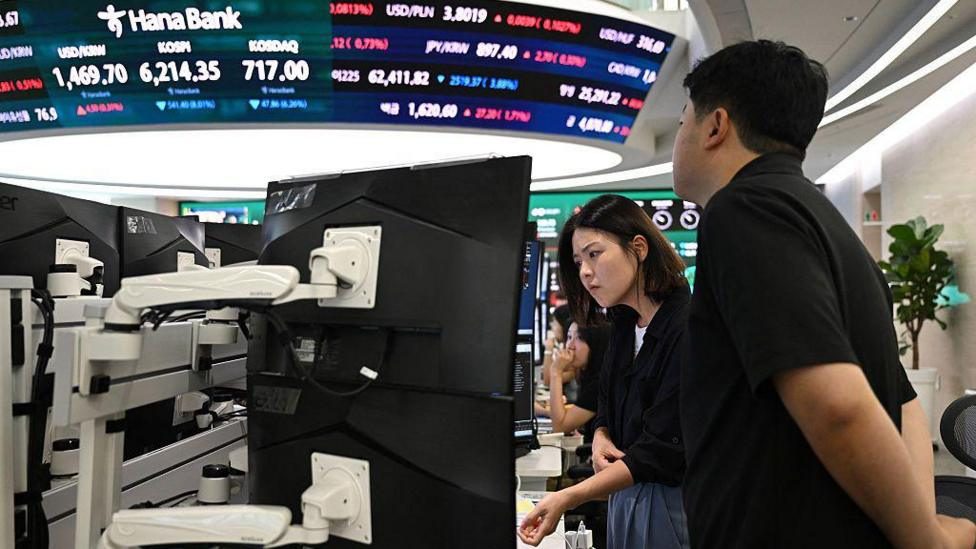
SK Hynix plunges below IPO price after missing profit estimates
SK Hynix posted a record $42 billion quarterly profit but saw its stock crash below its IPO price as investors bet the AI memory boom is peaking.
SK Hynix reported second-quarter operating income of $42 billion, a 557% surge from the prior year, driven by a 257% jump in revenue. Despite these historic figures, the recently listed memory chipmaker failed to meet Wall Street's elevated expectations. In premarket trading, the stock sank to roughly $128, falling well below its $149 IPO price set on July 10.
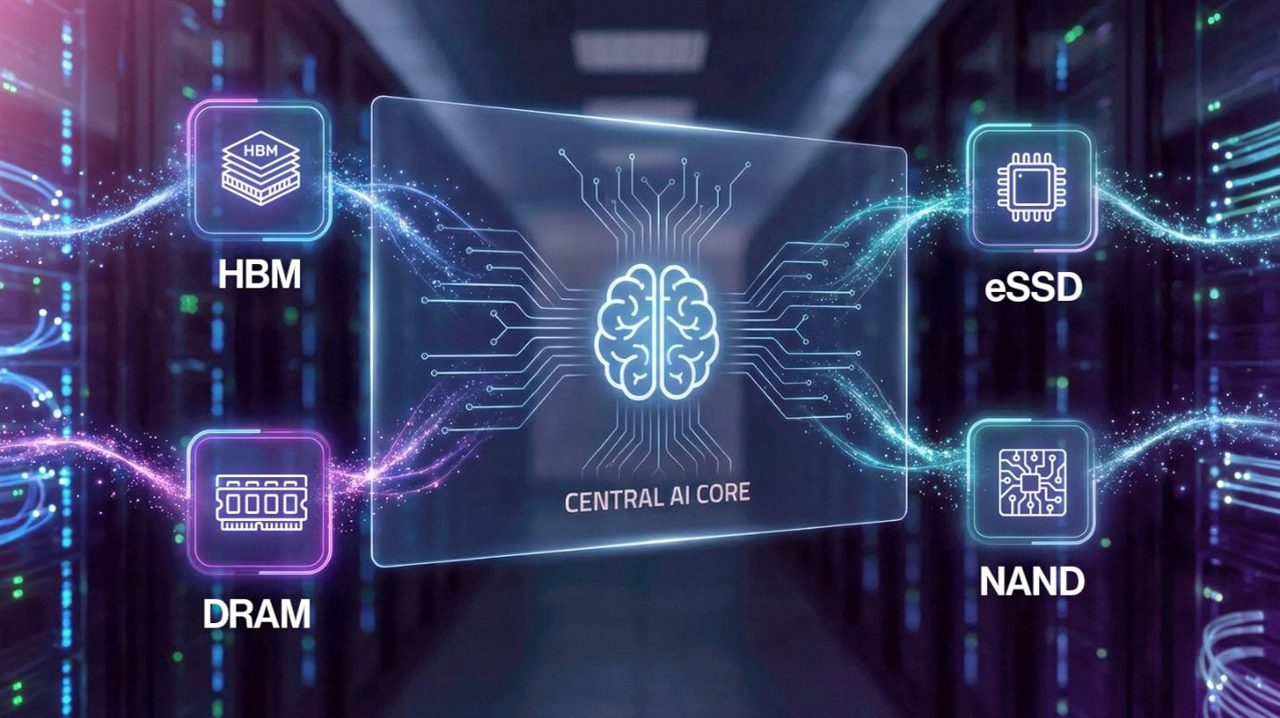
The sharp reversal marks a dramatic stumble for a highly anticipated offering. Shares initially opened at $170 and peaked near $195 before the latest earnings release triggered a 34% decline from that high. The market reaction underscores how aggressively traders had priced in continued hyper-growth for high-bandwidth memory (HBM), the critical component used in artificial intelligence servers.
Over the past two years, demand from AI infrastructure builders has reshaped the semiconductor sector. Nvidia's GPUs sparked the initial wave, but memory makers became primary beneficiaries as HBM supply struggled to keep pace. Analysts expected SK Hynix to capitalize on this dynamic with even stronger margins. Instead, the quarterly results indicated that pricing momentum is already beginning to normalize.
This normalization poses a distinct threat to the sector's valuation. Memory chips remain fundamentally commodity products. Any signal that the AI-driven shortage is easing raises the immediate risk of a rapid shift into oversupply. When demand cools in commodity markets, the resulting inventory glut typically punishes corporate profitability.
The implications stretch far beyond SK Hynix. Rival memory manufacturers like Micron and Sandisk are exposed to the exact same cyclical dynamics. If the industry's pricing power erodes, these companies could face severe margin compression just as they bring new production capacity online.
Equity markets inherently discount future expectations rather than rewarding past performance. In this instance, the sheer scale of SK Hynix's record-breaking quarter was entirely overshadowed by fears of an approaching downcycle. For executives and investors across the semiconductor industry, the earnings report serves as a stark reminder that the AI memory boom carries the same risks as any other commodity cycle.