Apple price hikes test new CEO Ternus at $5 trillion valuation
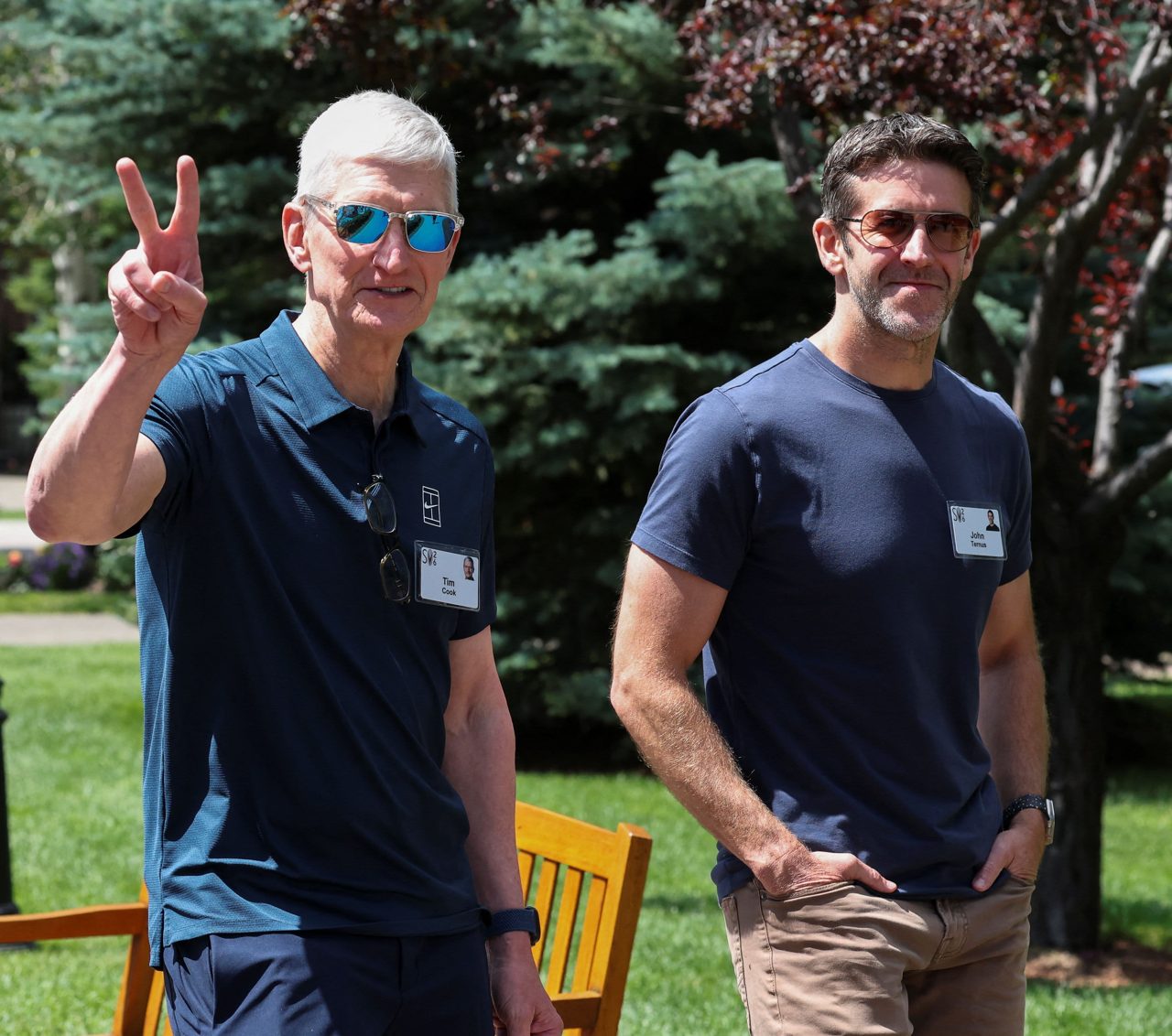
John Ternus takes the earnings call spotlight as Apple grapples with memory-driven price increases and a strategic shift to fund its lagging artificial intelligence efforts.
Tim Cook will preside over his final earnings call as Apple chief executive on Thursday, marking the end of a 15-year tenure that saw the company's valuation increase fourteen-fold to $5 trillion. Cook steps down on September 1 to become executive chairman, handing control to John Ternus, a 25-year company veteran currently leading hardware.
Ternus inherits a business navigating a severe global memory shortage. Last month, Apple raised starting prices for iPads and Macs by at least $100, with some models jumping over $1,000. Analysts broadly expect similar increases for the iPhone this year, a move that arrives as Counterpoint Research projects total smartphone shipments to fall nearly 14% this year, the steepest drop since 2013.
The price hikes, some reaching 20%, were implemented too late in the June quarter to affect upcoming results, where analysts project 16% revenue growth. However, investors are focused on how higher prices will impact demand in the December quarter, Apple's largest. Goldman Sachs analysts suggested this week that Apple could actually capture market share as lower-end Android manufacturers lack the pricing power to absorb skyrocketing memory costs.
Beyond immediate supply constraints, Apple's delayed entry into artificial intelligence remains a defining overhang. The company has yet to release a redesigned Siri to the public and recently sued former AI partner OpenAI, alleging trade secret theft. Rather than matching the massive capital expenditure budgets of hyperscalers—often exceeding $100 billion—Apple is spending roughly $11 billion this year, relying largely on licensed technology from partners like Google.
A subtle shift in Apple's capital return policy may signal a change in this approach. In April, the company abandoned its long-held goal of reaching a "net cash neutral" position, stating it would instead assess cash and debt independently. "We invest in the business first and foremost and then look to kind of return excess cash to shareholders," Chief Financial Officer Kevan Parekh said at the time.
Wall Street remains broadly supportive despite the dual challenges. Morgan Stanley analysts argued that price hikes will likely drive revenue and earnings upside over the next 18 months, though they cut their September quarter Mac forecast by 8% due to supply constraints. Under Cook, Apple generated enough cash to fund over $1 trillion in stock buybacks; under Ternus, those funds may be required to finance a long-overdue AI infrastructure push.